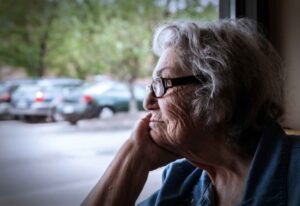


Growing older at home is what most people want. Survey after survey shows that the vast majority of adults over 65 would rather stay in their own house than move into assisted living, and for good reason — familiar surroundings, independence, and community ties matter. But the home that felt effortless at 45 can quietly become a hazard course by 75. Loose rugs, dim hallways, high step-overs into the tub, and stairs without a second handrail don’t feel dangerous until the day they are.
This guide walks through every major room in the house and flags the specific risks that tend to accumulate as mobility, balance, vision, and reaction time change with age. It’s built as a practical, room-by-room checklist you can print, walk through with a clipboard, and use to prioritize what to fix first. At the end, you’ll also find a curated list of products that address the most common hazards, so you can move from “identified problem” to “fixed problem” in the same afternoon.
Key Takeaways
- Falls are the leading cause of injury-related death among adults 65 and older, and most falls happen at home, in ordinary rooms doing ordinary tasks.
- Bathrooms, stairs, and kitchens carry the highest concentration of risk, but hallways, bedrooms, and even living rooms contribute more incidents than most people expect.
- A room-by-room walkthrough, done honestly and repeated every 6–12 months, catches problems before they cause an injury.
- Many of the most effective fixes — grab bars, non-slip treads, better lighting, decluttering — cost under $100 and can be installed in a single weekend.
- Aging in place safety isn’t a one-time renovation; it’s an ongoing process that should be revisited as needs change.
Why a Room-by-Room Approach Works Better Than a General Checklist
Generic safety advice (“remove tripping hazards,” “improve lighting”) is true but too vague to act on. A room-by-room assessment forces you to stand in each space and evaluate it against the specific tasks performed there: bending to reach low cabinets in the kitchen, stepping over a tub wall in the bathroom, descending stairs in low evening light. Each room has its own failure patterns, and the fixes are different for each one.
The best way to use this checklist is to physically walk through the home with a notepad or a phone, testing each item rather than eyeballing it. Sit on the toilet and try to stand without assistance. Step into the shower with your eyes closed for a second to feel where your foot naturally lands. Walk the main hallway at night with only the available lighting. These small tests reveal risks that a visual scan misses.
Entryway and Front Door
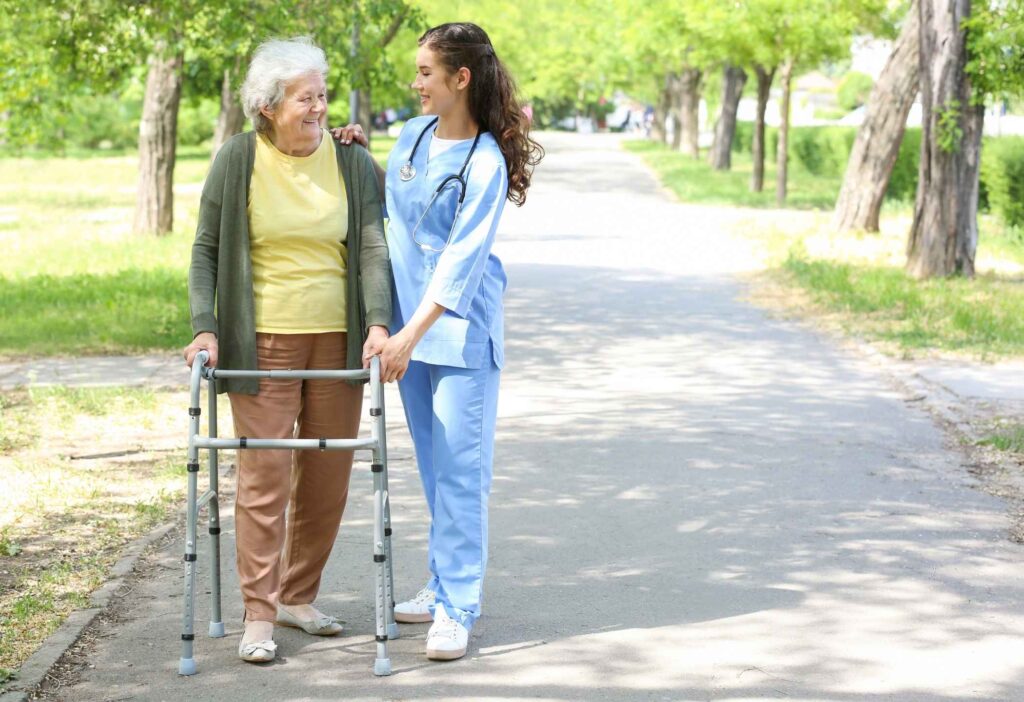
The entryway is the first and last room used every single day, often while carrying bags, mail, or groceries — exactly when hands are full and balance is compromised.
What to check:
- Is there a step or threshold higher than half an inch between the porch and the door? Even small lips are a common trip point.
- Is the path to the door well-lit at night, including motion-activated lighting that turns on automatically?
- Is there a solid handrail on any exterior steps, on both sides if the steps are wide?
- Is the doormat non-slip and low-profile, without curling edges?
- Can the door be opened and locked without excessive grip strength or twisting? Lever-style handles are easier than round knobs for arthritic hands.
- Is there a bench or shelf near the door to set down bags before fumbling with keys?
- If there are stairs to the entry, could a ramp be added later without a major renovation?
Common fixes: Add a keyless entry pad or smart lock so keys and grip strength aren’t required. Install a motion-sensor porch light. Swap round doorknobs for lever handles throughout the home, starting with the entry.
Living Room and Common Areas
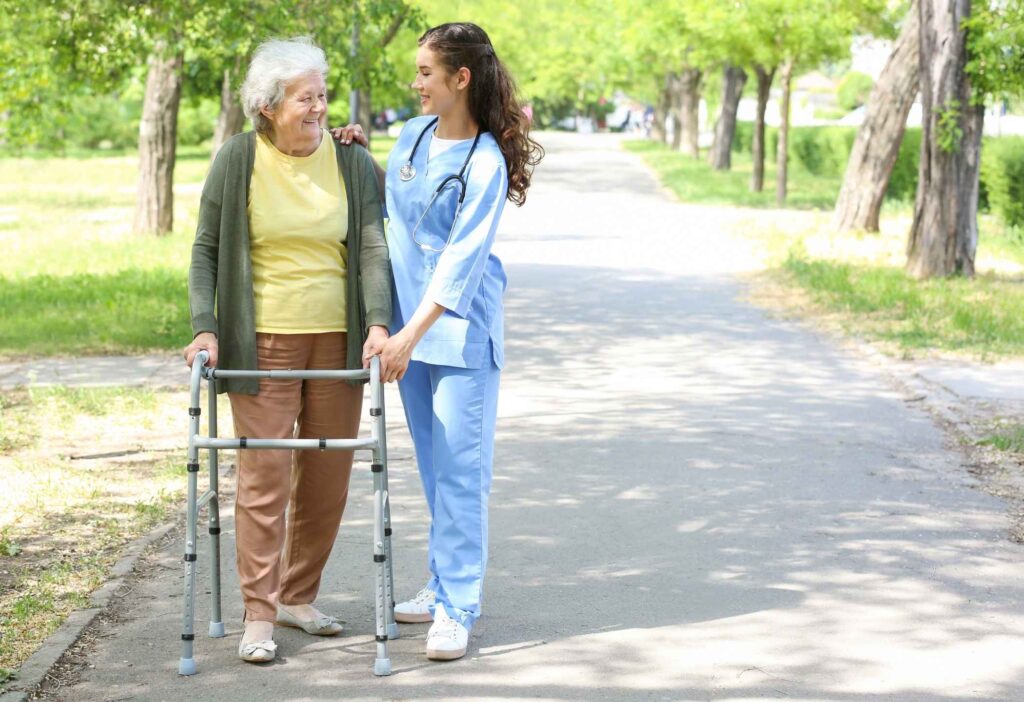
Living rooms look harmless, but loose rugs, low furniture, and cluttered walking paths cause a disproportionate number of falls, particularly because people relax their guard in rooms they consider “safe.”
What to check:
- Are there any throw rugs or area rugs without non-slip backing? These are one of the single most common fall hazards in the entire home.
- Is there a clear, at least 36-inch-wide walking path between furniture, with no cords crossing it?
- Are electrical and lamp cords secured against baseboards rather than running loose across the floor?
- Is seating firm enough and high enough to stand from without struggling? Deep, soft couches are surprisingly hard to get out of.
- Are frequently used items (remote, phone, glasses, reading lamp) within reach of the main seating area, so there’s less need to get up and down repeatedly?
- Is lighting even throughout the room, without deep shadows near furniture edges or doorways?
- Are sharp-cornered coffee tables or low ottomans positioned outside of the main walking path?
Common fixes: Remove or re-back area rugs with non-slip tape or rug pads. Reroute or bundle cords with adhesive clips. Consider a chair or couch riser to increase seat height by 2–4 inches, which makes standing significantly easier on the knees and hips.
Kitchen
The kitchen combines several risk factors at once: reaching, bending, standing on hard floors for extended periods, using heat and sharp tools, and often doing it all while distracted by a task.

What to check:
- Are everyday dishes, glasses, and pans stored between waist and shoulder height, avoiding the need to reach overhead or crouch to floor-level cabinets?
- Is the step stool, if one is used, sturdy with a handrail and wide, non-slip steps — not a wobbly folding chair?
- Is the kitchen floor slip-resistant, and are spills wiped up immediately rather than left to dry?
- Is there an anti-fatigue mat at the sink and stove to reduce strain on feet and lower back during meal prep?
- Are stove knobs and controls easy to read and operate without fine motor precision?
- Is there a working smoke detector and, ideally, a stove auto shut-off or timer to prevent forgotten burners?
- Are knives stored safely and is lighting over the counter and stove bright enough for close work?
- Is the microwave positioned at a reachable height rather than high above the range, where reaching in with hot food is a burn risk?
Common fixes: Reorganize cabinets so daily-use items sit at counter height. Replace a wobbly step stool with a wide-base model that has a handrail. Add LED under-cabinet lighting, which dramatically improves visibility for food prep and reading labels or medication instructions.
Bathroom
The bathroom is consistently the single most dangerous room in the house for older adults. Wet, hard surfaces combined with low seating (the toilet) and a high step-over (the tub) create the exact combination of hazards that cause serious falls. The CDC has repeatedly identified bathrooms as the leading location for fall-related injuries among seniors.
What to check:
- Is there a grab bar inside the shower or tub at a height that can be used while standing?
- Is there a grab bar next to the toilet to assist with sitting and standing?
- Is the tub or shower floor covered with a non-slip mat or textured, slip-resistant surface — not just a smooth tub floor?
- Is the bath mat outside the shower non-slip and does it stay flat rather than bunching or sliding?
- Is the toilet seat at a comfortable height, or would a raised toilet seat or seat riser make standing easier?
- Is there a shower chair or bench available for anyone who tires standing or has balance concerns?
- Is the water heater set below 120°F to prevent scalding from a momentary loss of control over the faucet?
- Is there a nightlight in the bathroom for safe nighttime use, since bathroom trips at 2 a.m. are one of the highest-risk moments in the entire day?
- Can the shower or tub be entered without a high step-over, or would a walk-in shower conversion be worth considering?
Common fixes: This is the room where investing a bit more matters most. Install at least two properly anchored grab bars (shower and toilet), add a non-slip surface, and use a nightlight with a motion sensor. If a full walk-in shower remodel isn’t in the budget yet, a shower chair and hand-held showerhead cut risk significantly in the meantime.
Bedroom
The bedroom is where a large share of nighttime falls originate — usually during the transition of getting up to use the bathroom.
What to check:
- Is the bed at a height where feet touch the floor comfortably when seated on the edge? Beds that are too high or too low both increase fall risk on standing.
- Is there a clear, obstacle-free, well-lit path from the bed to the bathroom?
- Is there a lamp or light switch reachable from bed without stretching or getting up in the dark?
- Are closet shelves and rods within reach without a step stool for daily-use clothing?
- Is there a landline, cell phone, or medical alert device within reach of the bed in case of an emergency?
- Are there any cords, slippers, or clutter on the floor near the bed that could be a trip hazard during a groggy nighttime walk?
- Is flooring around the bed non-slip, particularly if the room has hardwood or tile?
Common fixes: Add a plug-in nightlight or motion-sensor light strip along the path to the bathroom. Consider bed risers or a lower bed frame depending on current height. Keep a phone or medical alert pendant on the nightstand, not across the room.
Stairs and Hallways
Stairs deserve special attention because a fall here is more likely to cause a serious injury than a fall on a flat surface, simply due to the height involved.
What to check:
- Is there a secure handrail on at least one side of the stairs, ideally both sides for full staircases?
- Does the handrail run the entire length of the staircase, extending slightly past the top and bottom steps?
- Are stair treads slip-resistant, and are step edges clearly visible with contrasting color or edge tape?
- Is lighting bright and even on the entire staircase, with light switches at both the top and bottom?
- Are the stairs free of stored items, shoes, laundry baskets, or anything else temporarily “just left there”?
- Is carpeting on stairs tightly secured with no loose or fraying edges?
- Are hallways wide enough and well-lit enough to walk confidently at night, especially the route to the bathroom?
- If mobility has become a serious concern, has a stairlift been considered for stairs that can’t be avoided?
Common fixes: Install a second handrail if only one exists — this is one of the highest-impact single changes for stair safety. Add non-slip stair treads or nosing strips to mark each step edge. Install motion-activated lighting so stairs are never navigated in the dark.
Laundry Room and Utility Areas
Laundry rooms are often overlooked in safety planning, but they combine wet floors, heavy lifting, and awkward reaching in one small space.
What to check:
- Is the floor kept dry, with a non-slip mat in front of the washer and dryer?
- Are laundry baskets light enough to carry, or would a rolling cart reduce strain?
- Are the washer and dryer controls easy to read and reach without bending deeply?
- Is there adequate lighting, since utility rooms are often in basements or windowless spaces?
- Is the path to and from the laundry room, especially if it involves stairs, clear and well-lit?
Common fixes: Add a non-slip mat and a motion-sensor light. If the laundry room is in the basement and mobility is declining, consider relocating a stackable washer/dryer to the main floor.
Garage and Basement
These spaces tend to have uneven flooring, poor lighting, and clutter that accumulates over years, making them higher-risk than most homeowners realize.
What to check:
- Is lighting bright enough to see clearly, including in corners and near shelving?
- Are walkways clear of tools, boxes, and cords?
- Is flooring even, without cracks, oil slicks, or loose mats that could catch a foot?
- Are stairs to the basement fitted with a secure handrail and non-slip treads, same as interior stairs?
- Are frequently used items stored at accessible heights rather than requiring a ladder?
Common fixes: Improve overhead lighting, clear walking paths, and apply the same handrail and non-slip tread standards used on interior stairs to basement or garage stairs.
Whole-Home Considerations
Some safety factors aren’t specific to one room but affect the entire home.
What to check:
- Are smoke detectors and carbon monoxide detectors present on every level and tested regularly?
- Is there a clear, practiced plan for what to do in a fall, including how to reach help if unable to stand?
- Is a medical alert system or wearable device in place, particularly for anyone living alone?
- Are emergency contact numbers posted somewhere visible, such as on the refrigerator?
- Is there a portable phone or charged cell phone kept in commonly used rooms, not just one central location?
- Are floor transitions between rooms (carpet to tile, room to room) flush, without raised thresholds?
- Has vision been checked in the last year? Uncorrected vision changes are a major, under-recognized contributor to home falls.
- Has a physician or pharmacist reviewed current medications for side effects like dizziness or drowsiness that increase fall risk?
How to Prioritize Fixes
Once the walkthrough is done, it’s tempting to feel overwhelmed by the list. Prioritize using three simple filters:
- Frequency of use. Fix the bathroom and bedroom-to-bathroom path first — these are used daily, often at night, and carry the highest combined risk.
- Severity of potential injury. Stairs and the bathroom rank highest because falls there are more likely to cause serious injury, not just a bruise.
- Cost and effort to fix. Many of the highest-impact changes — grab bars, non-slip mats, better lighting, decluttering rugs and cords — are inexpensive and can be done in a weekend, so there’s rarely a good reason to delay them.
A reasonable order for most households: bathroom grab bars and non-slip surfaces, stair handrails and lighting, bedroom nighttime path lighting, kitchen reorganization, and then everything else as time and budget allow.
Recommended Products for a Safer Home
Below is a room-by-room shortlist of the product categories that consistently make the biggest difference, based on what safety guides, occupational therapists, and fall-prevention organizations recommend most often. Search these by name on Amazon to compare current pricing, reviews, and availability.
Bathroom
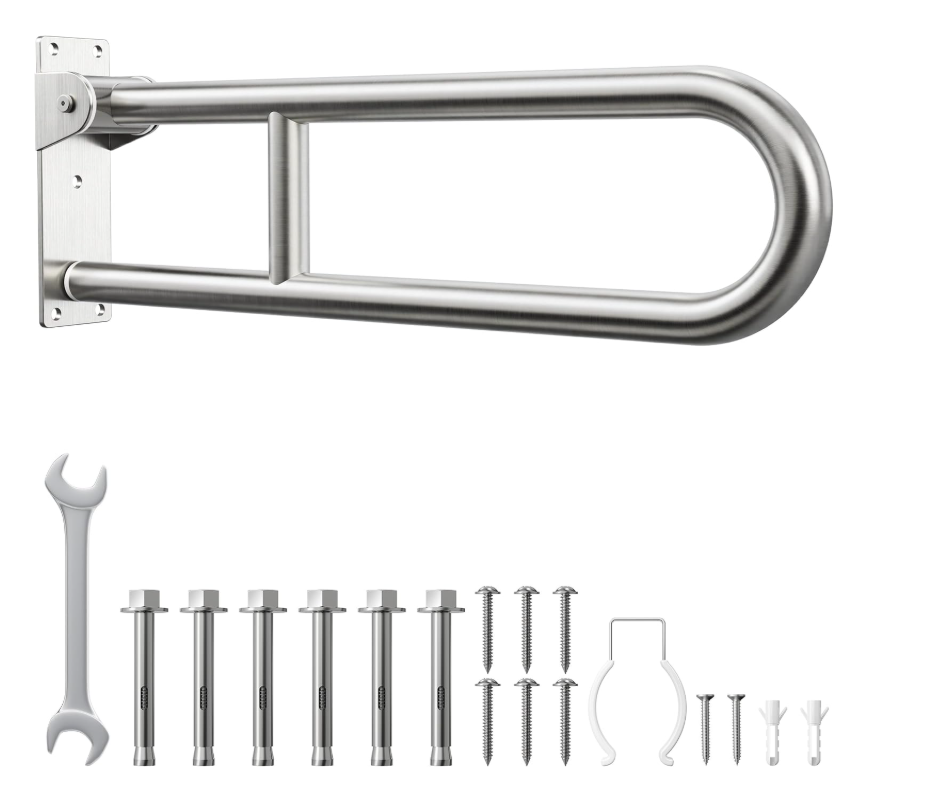
- Wall-mounted grab bars (stainless steel, 500-lb rated) — Brands like Moen Home Care and Vive make ADA-compliant bars in finishes ranging from clinical stainless steel to brushed nickel or matte black that blend in with modern fixtures. Look for concealed-screw mounting into wall studs for maximum stability.
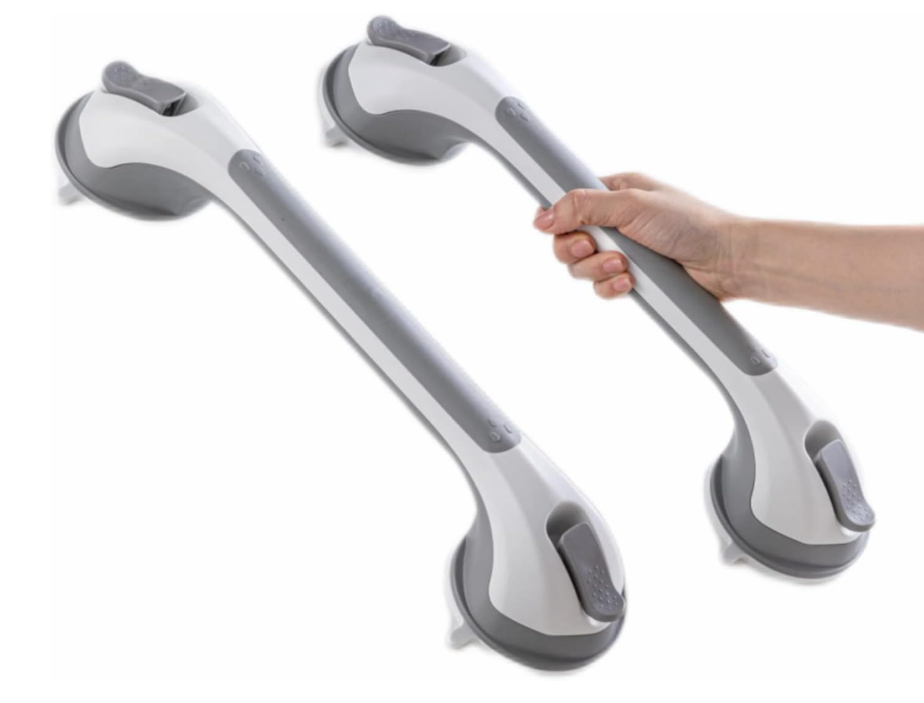
- Suction-cup grab bars — A no-drill option (Vive and Safe-er-Grip are well-reviewed) for renters or as a secondary support point. These should supplement, not replace, a permanently mounted bar.
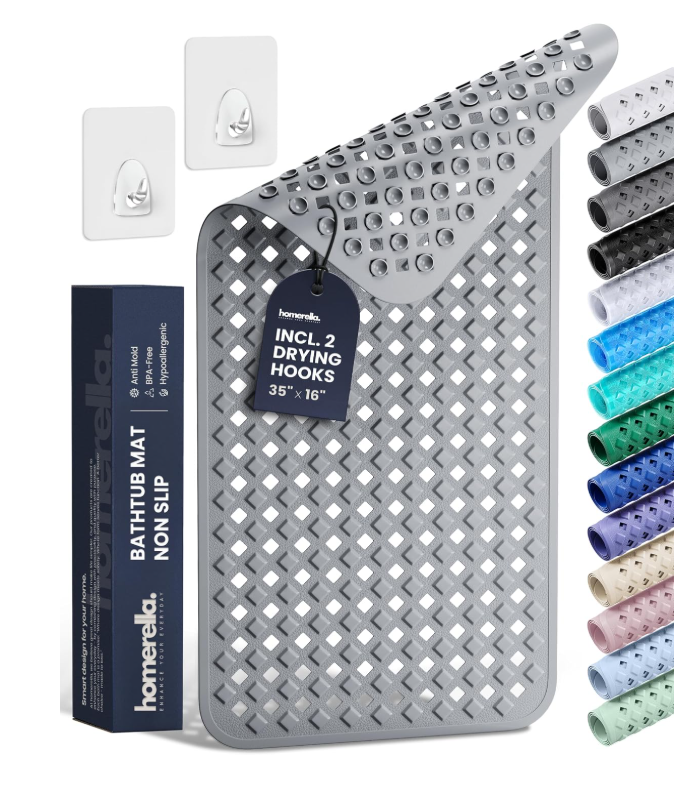
- Non-slip bath and shower mats — Textured rubber mats with strong suction backing for both the tub floor and the bathmat outside the shower.
- Raised toilet seats and toilet safety rails — Adjustable-height risers (HOMLAND and similar brands offer 300–400 lb rated models) that reduce how far a person has to lower and raise themselves.
- Shower chairs or transfer benches — For anyone who tires standing or has balance concerns during a shower.
- Motion-sensor nightlights — Placed in the bathroom and along the hallway leading to it, to eliminate the need to fumble for a light switch at 2 a.m.
Stairs and Hallways
- Non-slip stair tread strips or nosing — Adhesive-backed rubber or aluminum treads that add traction and visually mark each step edge, useful on both wood and tile stairs.
- Second handrail kits — Wall-mounted rail systems designed for retrofit installation into wall studs, ideally 34–38 inches above the stair nosing.
Kitchen
- Anti-fatigue mats — Cushioned mats for the sink and stove area that reduce joint strain during meal prep.
- Wide-base step stools with a handrail — A stable alternative to standard step stools or, worse, kitchen chairs, for reaching upper cabinets.
- Under-cabinet LED lighting kits — Battery or plug-in strip lighting that brightens countertops for food prep and reading labels.
- Jar and lid openers, easy-grip utensils — Reduce the grip strength needed for common kitchen tasks, helpful for anyone with arthritis.
Bedroom and Living Room
- Bed rails or bed assist bars — Provide something to hold onto when getting in or out of bed, distinct from hospital-style rails, designed for home mattresses.
- Furniture risers — Simple risers that add a few inches to couch or bed height, making standing significantly easier.
- Non-slip rug pads or rug tape — For anyone unwilling to remove area rugs entirely, a proper non-slip pad underneath dramatically reduces slide-related falls.
- Cord management clips and raceways — Keep lamp and electronics cords secured against baseboards instead of crossing walking paths.
Whole-Home Safety
- Medical alert pendants or wearables — Wearable devices with fall detection and one-button emergency calling, useful for anyone living alone or spending significant time unsupervised.
- Smoke and carbon monoxide detector combo units — Updated, interconnected units for every level of the home.
- Lever-style door handle replacement kits — Easier to operate than round knobs for anyone with reduced grip strength.
- Smart plug-in motion-sensor lights — Inexpensive, no-wiring lighting that can be placed in entryways, hallways, and bathrooms.
When shopping, prioritize items with a clearly stated weight capacity (500 lbs is standard for grab bars and rails), genuine ADA compliance where relevant, and enough reviews to confirm real-world reliability rather than just marketing claims. For anything that requires wall mounting — grab bars and handrails especially — proper installation into wall studs is what actually determines whether the product will hold up in an emergency. If there’s any doubt about stud location or drywall strength, it’s worth the cost of a professional installer.
How Often to Repeat This Assessment
Aging in place isn’t a single project with a finish line — needs shift gradually, and a home that was safe at 70 may need adjustments by 78. A reasonable rhythm:
- Every 6–12 months, walk through this checklist again, especially after any change in health, medication, vision, or a recent near-fall.
- Immediately after any fall, even a minor one, reassess the specific room where it happened. A fall is often a preview of a bigger one if the underlying hazard isn’t addressed.
- After any major life change — a new diagnosis, a hospital stay, starting a new medication known to cause dizziness — revisit the whole-home list, not just one room.
What This Typically Costs
Budget is often the real reason a safety checklist stalls after the walkthrough. It helps to see roughly where the money goes, so the highest-impact items get funded first instead of the whole project getting postponed.
Under $50 per item: Non-slip rug pads, cord clips, motion-sensor nightlights, bath mats, jar openers, and basic grab bars in the most affordable finishes. A household can address a surprising number of hazards — loose rugs, dark hallways, a slippery tub floor — for well under $200 total.
$50–$200 per item: Higher-capacity grab bars in nicer finishes, raised toilet seats with handles, wide-base step stools, under-cabinet lighting kits, shower chairs, and furniture risers. Professional installation of a grab bar or handrail, if not done DIY, typically falls in this range per bar.
$200–$1,000: A second full handrail system for a staircase, stair tread replacement across an entire flight, a basic medical alert subscription over a year, or a stackable washer/dryer relocation to the main floor.
$1,000 and up: Walk-in shower or tub-to-shower conversions, stairlifts, ramp construction, and widened doorways. These are the “full remodel” tier and are usually not necessary as a first step — most households can significantly reduce fall risk with the lower-cost items above and revisit bigger renovations only if mobility needs increase.
A practical approach is to spend the first $150–$300 on bathroom grab bars, a non-slip mat, and a couple of motion-sensor lights, since this combination addresses the highest-risk room in the home for the lowest cost. Everything else can be phased in over the following months.
Involving the Whole Household
Aging in place safety works best as a shared project rather than something done “to” an older adult by adult children or caregivers. A few practical notes on making the process collaborative:
- Do the walkthrough together rather than presenting a finished list of demands. Ask what already feels difficult or worrying, room by room, before suggesting fixes.
- Prioritize based on what the person living in the home actually finds hardest, not just what looks riskiest on paper. Someone who never uses the tub but showers daily may care far more about the shower grab bar than the tub one.
- Revisit the plan together on a schedule — a shared calendar reminder every six months keeps it from becoming a one-time event that’s forgotten.
- If there’s resistance to a specific change, ask what would make it feel less like “special equipment” and more like a normal home upgrade. Finish and style options for grab bars, handrails, and lighting have improved significantly and rarely look institutional anymore.
- Keep a simple written or shared digital list of what’s been fixed and what’s still pending, so progress is visible and the project doesn’t quietly stall after the first few easy wins.
Frequently Asked Questions
What is the single most important room to safety-proof first? The bathroom, followed closely by stairs. Both combine hard surfaces, height changes, and situations where losing balance is common, and both are used daily, often at night.
Are grab bars covered by Medicare or insurance? Grab bars are typically classified as a home modification rather than durable medical equipment, so Medicare usually doesn’t cover them directly. Medicaid home modification programs in some states do cover them, and local Area Agency on Aging offices can often point to state or nonprofit programs that help with cost or installation.
Do throw rugs really cause that many falls? Yes. Loose rugs and mats without non-slip backing are among the most frequently cited home fall hazards in fall-prevention research, because they can slide, bunch, or catch a foot or cane tip unexpectedly.
Is it better to install grab bars myself or hire a professional? If you can confidently locate wall studs and are comfortable with a drill, a securely mounted bar is a reasonable DIY project. If there’s any uncertainty about stud location, wall material, or the bar will be used for significant weight-bearing support, a professional installer is worth the cost — an improperly mounted bar can fail at the exact moment it’s needed most.
What’s the difference between aging in place modifications and a full home remodel? Aging in place modifications are typically targeted, lower-cost changes — grab bars, lighting, non-slip surfaces, furniture adjustments — that can often be done without construction. A full remodel (walk-in shower conversion, widened doorways, ramp installation) addresses more significant mobility needs and usually requires a contractor, but it’s not necessary for most households starting out.
How do I convince a parent who resists these changes? Frame changes around independence rather than decline — a grab bar or better lighting is what allows someone to keep living safely in their own home rather than a sign of frailty. Starting with low-visibility changes (lighting, non-slip mats, decluttering) before more visible ones (grab bars) can also help ease the transition.
Is a medical alert device really necessary if grab bars and lighting are already in place? Physical modifications reduce the chance of a fall, but they don’t eliminate it entirely. A medical alert device addresses what happens after a fall — specifically, how quickly help arrives — which is a separate and equally important part of the safety picture, especially for anyone living alone.
Final Thoughts
A safe home for aging in place isn’t built in a single weekend, and it doesn’t require a full renovation to make a meaningful difference. The goal of this checklist is to turn a vague sense of “we should probably make things safer” into a specific, room-by-room list of what to check and what to fix, starting with the highest-risk, highest-frequency spaces: the bathroom, the stairs, and the path between the bedroom and bathroom used every night. Work through it methodically, fix what you can immediately, plan for the bigger changes, and revisit the whole list at least once a year. Small, early changes are what keep a home livable and safe for years longer than most people expect.