


You remember the exact moment your mother or father whispered those four words: “Don’t put me in a home.” It’s a heavy, vulnerable request that echoes in your mind. It’s filled with both fear and deep love. You want to honor their independence while ensuring they remain safe and comfortable in the place they know best.
Navigating this transition is an emotional journey for any family. You are not alone in feeling overwhelmed by the responsibility of providing the right care. Learning how to help aging parent stay home longer requires patience, planning, and a compassionate heart.
By taking proactive steps today, you can create a secure environment that supports their dignity. This guide offers practical strategies to help aging parent stay home while providing you with the peace of mind you deserve.
Key Takeaways
- Acknowledge the emotional weight of your loved one’s desire for independence.
- Prioritize safety modifications to prevent common household accidents.
- Explore community resources that provide daily support and social connection.
- Maintain open, honest communication about changing needs and expectations.
- Focus on small, manageable adjustments to improve quality of life immediately.
Validating the Emotional Weight of Aging in Place
Supporting a parent who wants to stay in their home is a journey of patience and empathy. For many seniors, their home is filled with memories and stands for their independence. Validating these feelings is key to creating a caring plan.
Looking at aging in place vs assisted living means more than just the facts. Assisted living provides support and social activities, but aging in place keeps them in familiar surroundings. Knowing this helps you make choices that respect your parent’s freedom.
Open communication is vital for a smooth transition. Using aging in place tips for families can help meet safety needs while respecting your parent’s wishes. This way, your parent feels understood and not controlled.
| Feature | Aging in Place | Assisted Living |
|---|---|---|
| Environment | Familiar and personal | Structured and communal |
| Autonomy | High level of control | Assisted with daily tasks |
| Socialization | Requires proactive effort | Built-in social activities |
| Cost Structure | Variable home modifications | Monthly facility fees |
Your aim is to find a balance between safety and emotional well-being. Acknowledge the stress of these choices. Remember, your support is priceless. By being flexible and caring, you can honor your parent’s life and legacy.
Assessing When Your Parent Needs More Help at Home
Watching for small changes in your parent’s daily life is key to their well-being. If your aging parent lives alone, pay close attention to their surroundings and habits. These small signs can show if they need a change in their living situation.
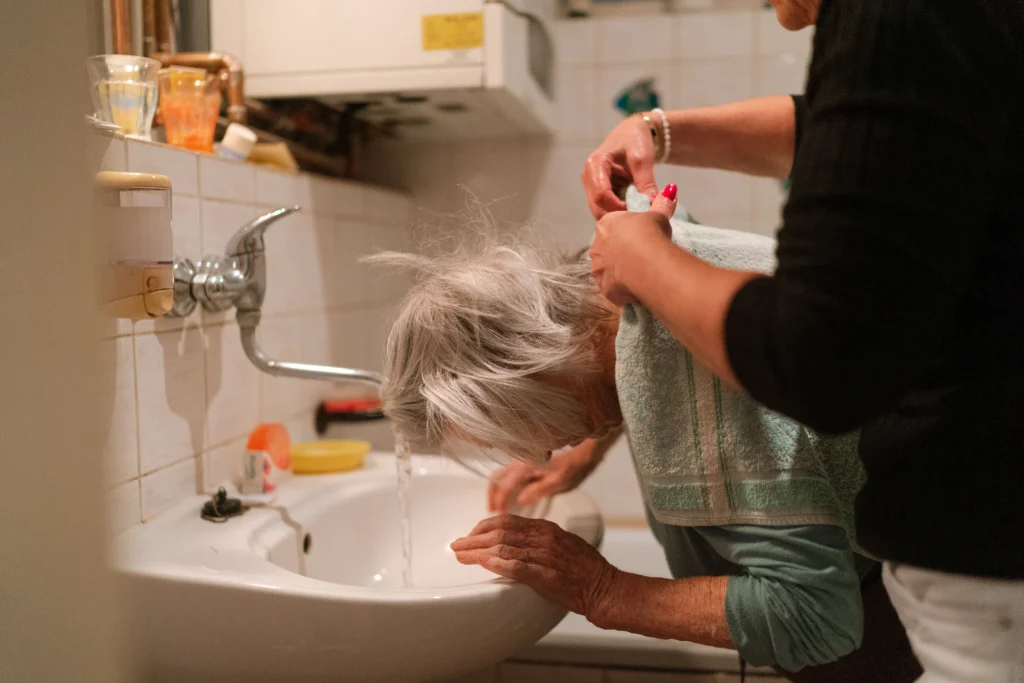
Look for signs your parent needs more help at home during your visits. You might see a drop in personal care, piles of unopened mail, or a kitchen without fresh food. Also, watch for unexplained bruises or minor injuries, which could mean they’ve had a fall or struggle to move around safely.
By objectively looking at these signs, you can figure out if your aging parent needs help at home before it’s too late. Being proactive lets you set up support systems that keep them independent and safe. Use the table below to spot common red flags and what they might mean for your parent’s daily life.
| Observation Area | Potential Warning Sign | What It May Indicate |
|---|---|---|
| Household Maintenance | Unwashed dishes or laundry | Difficulty with physical tasks |
| Personal Hygiene | Disheveled appearance or odor | Reduced mobility or cognitive decline |
| Physical Health | Unexplained bruises or weight loss | Recent falls or nutritional gaps |
| Cognitive Awareness | Unpaid bills or missed appointments | Memory lapses or organizational stress |
How to Help Aging Parent Stay Home Safely Through Room-by-Room Modifications
Small changes around the house can make a big difference. They help your aging parent stay safe at home for years. Focus on areas where accidents are more likely. This way, you can turn a regular house into a supportive sanctuary.
Bathroom Safety Upgrades
The bathroom is a common place for accidents. Installing sturdy grab bars near the toilet and in the shower is key. Also, use non-slip mats to avoid slipping on wet floors.
A raised toilet seat or a shower chair makes bathing easier. These simple changes are important for home safety for aging parents. Starting early can prevent injuries.
Bedroom Accessibility Improvements
The bedroom should be a place of rest, not a challenge. Make sure the bed is easy to get in and out of. Add motion-sensor night lights to the path to the bathroom for safe nighttime trips.
“My dad refused every suggestion I made — until I stopped calling them ‘safety modifications’ and started calling them ‘upgrades.’ Same grab bar. Completely different conversation.”
— Aging-in-Place Specialist
Kitchen Ergonomics and Safety
In the kitchen, keeping things organized is key. Move things to easy-to-reach places to avoid climbing. Use lever-style faucet handles for those with arthritis or weak grip.
Ensure the stove area is well-lit and clutter-free. For those with memory issues, consider an automatic shut-off stove device. These changes help your parent cook safely and easily.
Hallway and Living Area Clearances
Clear paths are vital to avoid falls. Remove throw rugs and secure cords to keep floors safe. Keeping these areas clear is essential for home safety for aging parents.
| Hazard Area | Common Risk | Simple Solution |
|---|---|---|
| Flooring | Tripping on rugs | Remove or tape down |
| Lighting | Poor visibility | Install LED sensors |
| Furniture | Unstable support | Secure to wall studs |
| Entryways | Uneven thresholds | Add rubber ramps |
By focusing on these areas, you ensure your aging parent stays safe at home. This brings you peace of mind. Regular checks keep the home safe and functional as needs change.
Home Modification Priority List and Budgeting
Changing a home to support aging in place needs careful planning and a clear budget. The idea of home modifications for aging parents might seem big. But, breaking it down into smaller tasks makes it easier.
Begin by walking through the house to find hazards. Use a detailed aging parent home safety checklist to keep track. This helps you tackle the most important safety issues first.
It’s key to spend wisely to help your parent stay independent without breaking the bank. Focus on changes that prevent falls and make daily life easier. Here’s a table to help estimate costs for common projects.
| Modification Project | Priority Level | Estimated Cost Range |
|---|---|---|
| Bathroom Grab Bars | High | $100 – $300 |
| Improved Task Lighting | Medium | $150 – $500 |
| Lever-Style Door Handles | Medium | $200 – $400 |
| Smart Home Monitoring | High | $300 – $800 |
Every home is different, and your needs may change based on your parent’s health. Using an aging parent home safety checklist ensures your money is well spent. Thoughtful home modifications for aging parents bring peace of mind and safety for years.
Leveraging Technology for Independence
Using technology for aging in place is a great way to support your loved one. These tools help your parent live more freely. They make it easier to manage their home, reducing physical effort.
Smart Home Devices for Daily Assistance
Smart home devices are like digital helpers that never get tired. You can get voice-activated lights to avoid falls in the dark. Or smart thermostats to keep the house comfy without needing to adjust them.
These small changes can greatly reduce accidents. They also make daily life more comfortable.
- Voice-controlled lights: No need to reach for switches.
- Smart thermostats: Keep the house at the perfect temperature.
- Video doorbells: See who’s at the door without getting up.
Medication Management Systems
Managing health regimens can be stressful for families. Reliable systems help your parent stay on track with their meds. These range from simple pill organizers to automated dispensers that alert you if a dose is missed.
Using these tools is a smart way to help elderly parent stay independent. It also keeps their health a top priority. Here’s a comparison of common tech solutions for caregiving.
| Technology Type | Primary Benefit | Ease of Use |
|---|---|---|
| Smart Lighting | Fall Prevention | High |
| Automated Dispensers | Medication Adherence | Medium |
| Smart Thermostats | Energy & Comfort | High |
| Voice Assistants | Task Automation | High |
The Role of Fall Detection and Medical Alert Systems
A medical alert system aging parent is like a silent guardian. It helps when every second matters. Falls are a big risk for seniors, so having a safety net is key. These devices offer a vital layer of protection, making sure help is always available, even if your parent can’t reach a phone.
Today’s technology for aging in place does more than just send alerts. Many wearables now have automatic fall detection. They use sensors to spot sudden changes in movement. If a fall happens, the system quickly calls for help, giving vital support without needing your parent to press a button.
When picking a device, think about your parent’s daily life and how they move. You want something easy to wear that doesn’t get in the way of their independence. Look for features that meet their specific needs, like GPS for walkers or long battery life for those who like to forget about charging.
To find the best medical alert system aging parent, remember these important points:
- Automatic Fall Detection: Find devices with sensors that alert even if the user is not awake.
- Water Resistance: Make sure the device can be worn in the shower, where slips are common.
- Two-Way Communication: Choose a system that lets your parent talk directly to a dispatcher.
- Battery Longevity: Opt for devices that need little charging to keep protection going.
Getting the right technology for aging in place is a smart move. It helps your parent feel safe at home. By taking away the fear of being alone after a fall, you give them the confidence to stay at home. This step makes their living space safer, letting them thrive while you relax knowing they’re safe.
Building a Support Network of Professional Care
You don’t have to handle caregiving alone. Building a strong support network is key to caring for your elderly parent at home and keeping yourself well. By getting help from professionals, you make a caring environment for your loved one.
Integrating Home Health Aides
A home health aide for elderly parent helps with daily tasks like bathing, dressing, and remembering to take medicine. They offer the support you need, so you can focus on your bond with your parent.
Good home care includes visits from skilled nurses or physical therapists. Consistency is important. Regular visits from familiar faces make your parent feel safe and supported at home.
Utilizing Meal Delivery Services
Eating well is important for seniors, but cooking can be hard or risky. Meal delivery services ensure your parent gets healthy meals without the hassle of shopping or cooking.
Many services have special menus for different health needs, like low-sodium or diabetic-friendly options. This helps take a big load off your daily tasks and keeps your parent well-fed.
Engaging Adult Day Programs
Social isolation is a big issue for seniors at home. Adult day programs offer a safe and fun place for your parent to meet others and do activities.
These programs give you a break, knowing your parent is in good hands. The social interaction they get can boost their mood and brain health, making it a vital part of their care plan.
Navigating Medicare and Financial Resources
Finding the right funding for senior care can be tough. Financial stability is key to a good plan. It helps you support your loved ones well. Start looking early to get the best home care for elderly parents without stress.
Understanding medicare home care coverage can be tricky. Medicare covers skilled nursing and therapy if it’s needed and done by a certified agency. But, it doesn’t pay for long-term care like bathing or dressing help.
To use your resources well, look beyond just federal programs. Many families mix different funding to make a budget work. Here are some ways to get financial help:
- Medicaid Waivers: These offer home services for those who qualify based on income.
- Veterans Benefits: If your parent was in the military, they might get Aid and Attendance benefits.
- Long-Term Care Insurance: Check if your policies cover non-medical home help.
- Private Pay Options: Look into reverse mortgages or personal savings to fill gaps.
Patience is your greatest asset when exploring these options. Talk to a financial advisor or geriatric care manager who knows medicare home care coverage. With the right plan, you can handle home care for elderly parents costs. This lets you focus on their comfort and happiness.
Communication Strategies for Difficult Conversations
Talking about your parent’s changing needs is a sensitive topic. It requires empathy and listening well. Your parent might not want to accept changes, even if they’re for their safety. Being patient is key to keeping a good relationship.
When you start using aging in place tips for families, work together, not against each other. Don’t make demands. Instead, offer help to keep them independent. This approach can make them less defensive and more willing to make decisions.
“I spent six months tiptoeing around the conversation about getting help. When I finally had it, my mother said: ‘I’ve been waiting for you to ask.’ She was relieved. I was the one who wasn’t ready.”
— James T., son caring for aging mother
Many families face the challenge of cognitive decline. Wondering how long can parent stay home with dementia is common. The answer varies based on the disease’s progress, support levels, and home safety.

Use collaborative problem-solving to handle these tough changes. Talk about specific goals, like staying at home longer or avoiding falls. Listen to their fears and show you understand. This builds trust for making tough choices together.
Maintaining Your Parent’s Sense of Self and Purpose
When you help elderly parent stay independent, you boost their spirit and honor their life story. Safety is key, but it’s just part of the picture. True happiness comes from feeling valued and having a unique voice.
“My mother said: I don’t care where I live, as long as I feel like myself.”
Keeping your parent’s identity alive takes effort. Encourage them to enjoy hobbies or try new things that make them happy. Activities like gardening, painting, or reading keep their mind active and give them a sense of purpose.
Worrying about an aging parent living alone is common, but loneliness is a bigger threat. To combat this, set up regular video calls or help them join local groups. Even small interactions can greatly improve their outlook.
When an aging parent living alone feels connected, their mental health improves. Focus on activities that match their past interests to make them feel valued. Here’s a table to help boost their engagement:
| Activity Type | Primary Benefit | Frequency |
|---|---|---|
| Creative Hobbies | Cognitive Stimulation | Daily |
| Social Outings | Emotional Support | Weekly |
| Volunteer Work | Sense of Purpose | Monthly |
Your goal is to help elderly parent stay independent by supporting their choices. By focusing on what makes them happy, you create a supportive space for them to flourish. Small gestures of encouragement can make a big difference in their dignity and joy.
Recognizing When Home is No Longer the Safest Option
You want to respect your parent’s wish to stay home. But safety always comes first. Sometimes, the risks of staying home are too great. Recognizing this is a profound act of love that keeps your parent safe and cared for.
Keep an eye out for signs parent needs more help at home. Look for frequent falls, unexplained bruises, or poor personal hygiene. Also, watch for signs of confusion with medications or trouble with daily tasks. These are signs they need more support.
Figuring out when to stop aging in place means looking at your parent’s health. If you’re always worried about their safety or if their health needs are too much, it’s time to look at other options. This move is not a failure. It’s a step to ensure their long-term well-being.
“We kept my mother home for four years longer than anyone thought possible. It wasn’t because we had more money or more time. It was because we stopped waiting for the perfect solution and started making small changes, one week at a time.”
— Patricia L., family caregiver
When deciding between aging in place vs assisted living, think about the quality of life. Assisted living offers support, social activities, and medical care that’s hard to get at home. By considering these, you can choose what’s best for your parent’s dignity and safety.
Prioritizing Caregiver Self-Care to Prevent Burnout
When your aging parent needs help at home, it’s easy to forget about yourself. You might think you need to be there all the time. But ignoring your own needs can lead to burnout.
Remember, you cannot pour from an empty cup. If you don’t take time to rest, you won’t be able to care for your parent well. Treating your health as a must is key.
“I burned out completely in year two. I thought pushing through made me a good daughter. What it actually made me was unavailable — physically present but emotionally gone. Getting help wasn’t giving up. It was the only way I could come back.”
— Sarah M., daughter and primary caregiver
Hiring a home health aide for elderly parent can help a lot. It lets you take breaks or do things you need to do. Here are some important steps to keep your balance:
- Set clear boundaries about when you’re available and when you’re not.
- Accept help from friends, family, or local groups when they offer.
- Prioritize sleep and eating well to keep your energy up.
- Join a support group to talk with others who face similar challenges.
By getting a home health aide, you make sure your parent gets the care they need. And you take care of yourself. You’re a better advocate when you’re well-rested and healthy. Taking care of yourself is the base of good caregiving.
Creating a Sustainable Long-Term Care Plan
Planning for the future is key when you want to help your aging parent stay home longer. A written plan is your guide, helping you prepare for health and financial changes. It makes it easier to plan ahead and reduces stress for everyone.
Being consistent is important, whether you’re the main caregiver aging parent home or managing things from afar. Regularly check your plan to make sure it matches your parent’s current needs and wishes. This proactive approach helps keep your parent at home comfortably and with dignity.
Many families wonder how long can parent stay home with dementia. The answer varies, but flexible care plans can help. You might add more professional help or change the home to meet their needs better.
A good plan changes as your parent’s needs do. By planning for challenges now, you create a stable and loving environment for them to age in place. Focus on small steps to keep your plan effective and supportive.
Essential Tools for Your Caregiving Journey
Creating a reliable toolkit is key for anyone caring for an aging parent at home. The right tools help you move from reacting to acting. This change lowers stress and lets you enjoy quality time with your loved one.
First, look at the home modifications for aging parents to avoid accidents. Adding grab bars, non-slip mats, and better lighting can help a lot. These small steps give your parent the confidence to move around safely.
Good communication and safety checks are also important. A top-notch medical alert system for an aging parent brings peace of mind. These systems ensure help is just a button away, any time of day.
Here are some key tools to help your aging parent stay safe at home. Each tool has a specific role in keeping them independent and safe.
| Tool Category | Primary Benefit | Frequency of Use |
|---|---|---|
| Medical Alert System | Emergency Response | Daily |
| Grab Bars | Fall Prevention | Constant |
| Smart Medication Dispenser | Health Management | Daily |
| Motion-Sensor Lighting | Visibility | Nightly |
Consistency is key in using these tools in your caregiving plan. Make sure to explain how each device works to your parent. This way, they’ll feel secure and in control. By preparing your home now, you’re building a strong foundation for the future.
Legal and Medical Disclaimers for Caregivers
Dealing with elder care is more than just love; it needs clear professional boundaries. The info in this guide is for educational purposes only. It’s not professional medical or legal advice.
Every family is different, needing unique solutions. Always talk to a qualified healthcare pro or legal expert about when to stop aging in place. Getting expert advice helps keep your parent safe and healthy.
Also, understanding medicare home care coverage can be tough. Policies change, and who gets coverage depends on medical needs. We suggest checking with official sources or a qualified advisor for your options.
To make the best choices for your loved one, remember these steps:
- Verify all medical advice with your parent’s primary care physician.
- Consult with an elder law attorney for legal and financial planning.
- Check official government websites for the latest medicare home care coverage info.
- Keep an eye on your parent’s changing needs to know when to stop aging in place safely.
This part is a reminder to always seek expert advice in caregiving. With your love and professional help, you can create a safe space for your parent.
Conclusion
Supporting your loved one as they age in place is a mix of compassion, patience, and planning. You can make their living space honor their past while securing their future.
Every small change you make adds to their safety. By focusing on these adjustments, you help them stay at home with confidence. Your efforts keep them surrounded by the comfort of familiar memories.
Being consistent is key in caregiving. Use our detailed aging parent home safety checklist to keep track of your progress. This tool helps you stay organized as your family’s needs change.
Visit eldercarehaven.com to get your free Caregiver Checklist today. It gives you the framework to handle daily tasks and long-term goals. Your hard work greatly improves your parent’s life quality.
FAQ
What are the first steps to take when I want to help my aging parent stay home longer?
Start by checking their living space for safety hazards. Use a detailed aging parent home safety checklist to spot risks. Make sure their home is easy to move around in, like installing Moen grab bars in bathrooms.Talk openly with your parent about their wishes. This helps you plan the best aging in place tips for families for them.
What are the most common signs my parent needs more help at home?
Look for changes in how they take care of themselves and their home. Signs include not doing chores, poor hygiene, or losing weight. If your aging parent living alone, watch for signs like a dented fender or mail piling up.They might also seem more isolated or confused about their meds. These are signs they need more help.
Which home modifications for aging parents offer the best return on safety?
Focus on areas where they spend a lot of time. Installing walk-in showers and Philips Hue smart lights are key. Widening doorways helps with walker access.Move their bedroom to the first floor to avoid stairs. These changes help keep them safe at home.
Does Medicare home care coverage pay for daily assistance?
Medicare home care can be tricky to understand. It covers some home health services if they’re medically necessary. This includes things like skilled nursing or physical therapy.But it doesn’t cover 24/7 home care for elderly parents or meal delivery. You might need to pay extra for a home health aide for elderly parent who helps with daily tasks.
What is the best technology for aging in place to prevent emergencies?
Modern tech has made senior safety easier. A medical alert system aging parent can wear, like Life Alert or Bay Alarm Medical, gets help fast. Amazon Echo devices help with calls and reminders.These tools keep a caregiver aging parent home connected, even when they can’t be there all the time.
How long can a parent stay home with dementia safely?
How long a parent can stay home with dementia varies. It depends on the disease’s progress and supervision. Early stages might allow them to stay with the right care.But as memory loss grows, so does the risk of wandering. You’ll need to weigh aging in place vs assisted living often. Safety always comes first; if they’re a danger, it’s time to consider a memory care facility.
When should we decide when to stop aging in place and seek a facility?
Deciding to stop aging in place is tough. Look for signs like frequent falls, trouble with daily tasks, or caregiver burnout. If the cost and effort of keeping elderly parent at home isn’t worth it, a facility might be the best choice.