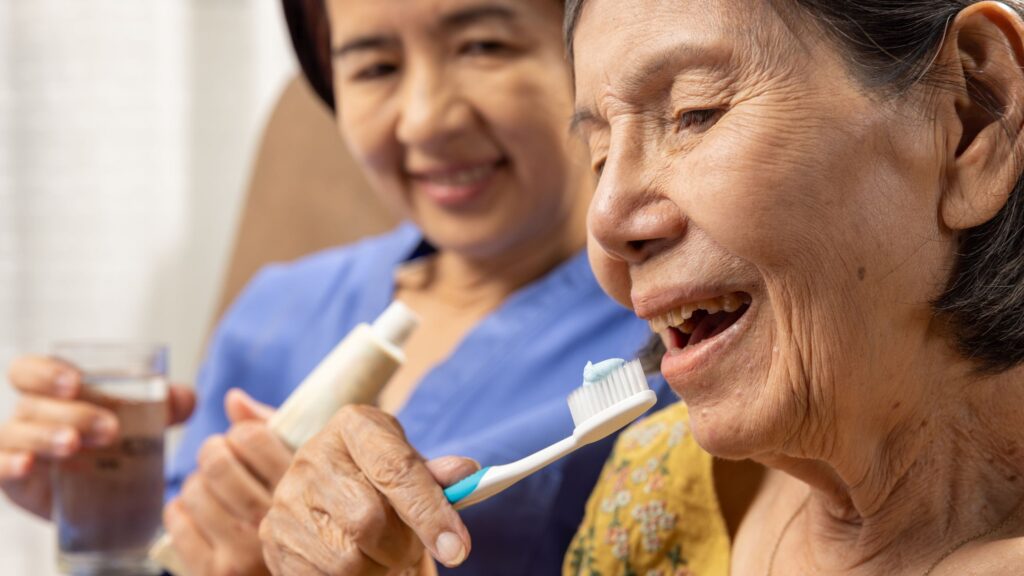

You might notice your loved one’s smile changing or hear them mention persistent discomfort. It is heartbreaking to watch a decline in their well-being, even when you’re already managing their other medical needs. Staying on top of dental care for elderly parents can seem daunting, but you don’t need to be a medical expert to help.
This guide offers a gentle, practical approach to help you navigate these changes with confidence. We focus on simple, consistent steps that improve oral health for seniors while keeping them comfortable at home. You are not alone in this journey, and small, daily habits often lead to the most significant improvements in their quality of life.
Key Takeaways
- Recognizing early signs of discomfort is the first step in effective support.
- Small, consistent daily routines significantly improve long-term comfort.
- You do not need medical expertise to manage basic hygiene needs.
- Focusing on gentle techniques reduces stress for both you and your loved one.
- Proactive monitoring helps prevent more serious health complications later.
Recognizing the Signs of Declining Oral Health
As a caregiver, spotting small changes in your parent’s oral health is key. It can stop big health problems later. You’re the first to notice when something’s off before it turns into a big pain. Keeping an eye out ensures dental care for elderly parents stays a priority in their daily life.
Noticing Changes in Your Parent’s Smile
Look for small changes in their mouth during your daily chats. Watch for signs like receding gums, teeth that seem to be moving, or bad breath that won’t go away. These signs often mean there’s decay or gum disease hiding under the surface.
If your parent keeps touching their jaw or avoids certain foods, pay attention. These actions often mean they’re in pain but don’t want to talk about it. Catching these signs early is key to keeping oral health for seniors in check and avoiding serious damage.
Why Oral Health Impacts Overall Wellness
The health of the mouth is closely tied to the rest of the body. Bacteria in the gums can spread to the bloodstream and cause inflammation. This is why regular dental care for elderly parents is a must for their overall health — the National Institute of Dental and Craniofacial Research tracks just how common gum disease becomes after age 65.
The Connection to Heart Disease and Diabetes
Studies link gum disease to heart disease and diabetes. High blood sugar makes gums more prone to infection. Inflammation from the mouth can also make diabetes harder to manage. Keeping the mouth clean helps protect your parent from these serious conditions.
Nutrition and the Ability to Chew
When teeth are ignored, eating becomes painful or hard. This often means avoiding healthy foods like veggies or lean proteins. Good oral health for seniors lets them eat a balanced diet, which is key for staying strong and full of energy.
| Warning Sign | Potential Issue | Action Required |
|---|---|---|
| Bleeding Gums | Gingivitis | Schedule cleaning |
| Loose Teeth | Periodontitis | Consult dentist |
| Dry Mouth | Medication side effect | Increase hydration |
| Jaw Pain | TMJ or Abscess | Urgent exam |
Common Dental Problems in Elderly Parents
Knowing how your parent’s mouth changes is key to good senior dental care. As they age, their teeth and gums become more prone to harm.
Understanding Age-Related Oral Changes
With age, tooth enamel gets thinner, exposing sensitive layers. This makes teeth more sensitive to cold or hot foods.
Gums may also pull back, creating spaces for bacteria. Catching these changes early helps keep your parent comfortable and prevents pain.
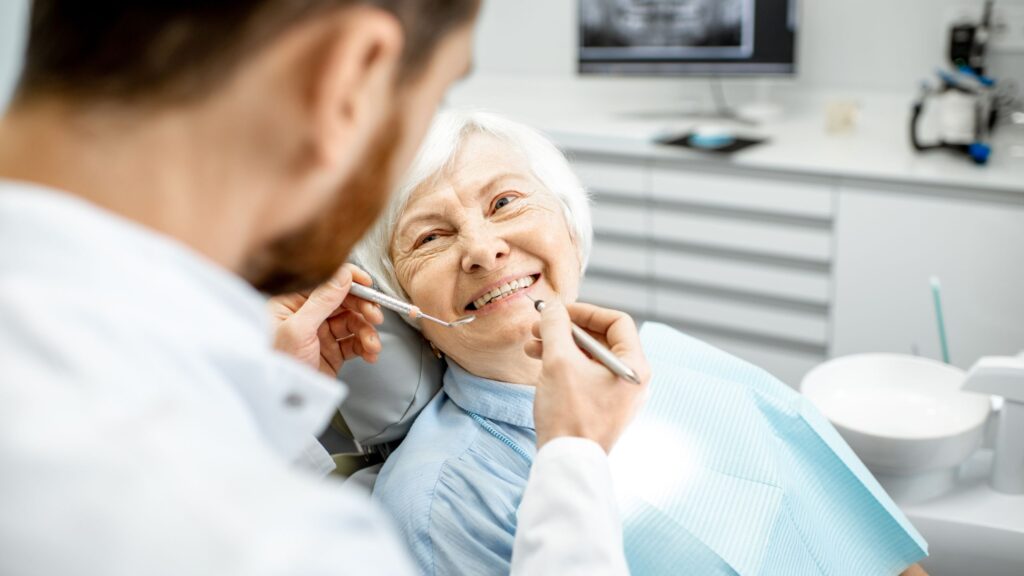
Common Elderly Dental Problems and Warning Signs
| Condition | Primary Warning Sign | Potential Impact |
|---|---|---|
| Gum Disease | Bleeding or swollen gums | Tooth loss |
| Tooth Decay | Dark spots or sensitivity | Infection |
| Root Exposure | Visible tooth roots | Increased sensitivity |
| Oral Thrush | White patches in mouth | Discomfort |
Dry Mouth and Its Hidden Dangers
Dry mouth, or reduced saliva, is a big issue in senior dental care. Saliva cleanses the mouth and fights acid.
Less saliva means more cavities and infections. Look for signs like dry lips, a parched tongue, or trouble swallowing. These are critical indicators your parent needs help.
Encourage drinking water and talk to a dentist about mouth rinses. Being watchful helps keep your parent’s mouth healthy and pain-free.
Establishing a Daily Dental Care Routine
Creating a daily dental care routine can greatly improve your parent’s oral health. Being consistent helps prevent big problems from starting. By focusing on senior dental care, you help your loved one feel more comfortable and dignified.

Creating a Comfortable Environment for Brushing
Brushing teeth can get hard as people get older. Make sure your parent is sitting comfortably in a chair. Adequate lighting is also key, so you can see well and clean all areas.
Setting up a small station for dental care can be helpful. Keep all the supplies within reach. This makes senior dental care feel more like a gentle ritual.
Assisting with Flossing and Interdental Cleaning
If your parent has trouble with flossing, you might need to help. Use tools like floss picks or interdental brushes to make it easier. This helps remove plaque from tight spaces.
Be patient and kind when helping with flossing. Remind your parent that this is a team effort. Regular interdental cleaning is key to preventing gum disease and tooth decay.
Managing Dentures and Partial Plates
It’s important to clean dentures and partial plates every day. Use a soft-bristled brush and a gentle cleanser. This stops bacteria from causing mouth sores or infections.
Look for signs of irritation or discomfort from dentures. If you see any, it’s time to see a dentist. Keeping dentures clean and comfortable is essential for eating and speaking well.
Selecting the Right Dental Products for Seniors
Getting the right tools is key for geriatric dentistry. When brushing is hard due to physical limits, the right tech can help a lot.
Benefits of Electric Toothbrushes like the Oral-B iO Series
For seniors with arthritis or weak grip, brushing can be hard. Electric toothbrushes like the Oral-B iO series make it easier.
These toothbrushes do the scrubbing for you. This means a clean mouth without straining your hands. Investing in this technology helps your parent stay independent and get great results at home.
Using Water Flossers such as the Waterpik Aquarius
String floss can be tough for those with dexterity issues or dental work. A water flosser, like the Waterpik Aquarius, is a better choice.
It’s great for cleaning around dental work like bridges and implants. It uses water to clean deep without hurting your gums.
Choosing Gentle Toothpastes and Mouth Rinses
As we get older, our mouths can get more sensitive. Choose gentle, non-abrasive toothpastes that don’t hurt.
Also, use alcohol-free mouth rinses to keep your mouth moist. These are key for geriatric dentistry, soothing gums and keeping your mouth wet all day.
Finding the Right Geriatric Dentist
Choosing a dentist with geriatric dentistry expertise is key for your loved one’s care. As parents age, their needs change. They need a dentist who understands these changes. The right dentist can greatly improve your parent’s life and comfort.

What to Look for in a Dental Professional
Look for a dentist who shows genuine patience and kindness. A good dentist for seniors should handle patients with mobility or cognitive issues well. They should explain things clearly, making your parent feel safe and respected.
Here are important traits to look for in a dentist:
- Accessibility features, such as wheelchair ramps and wide doorways.
- A calm, quiet office environment that minimizes sensory overload.
- Staff members who are trained in assisting patients with limited mobility.
- A willingness to coordinate care with your parent’s primary physician.
Questions to Ask During the First Visit
The first visit is a chance to see if the dentist is right for your parent. Ask about their experience with geriatric dentistry and complex medical histories. You want to make sure they can handle your parent’s health conditions well.
Here are some questions to ask during the first meeting:
- How do you handle patients who experience dental anxiety or fear?
- What experience do you have with patients who have dementia or cognitive impairment?
- How do you accommodate patients who have difficulty sitting for long periods?
- Are you familiar with the side effects of common medications my parent takes?
Preparing Your Parent for the Appointment
Preparation is key for a successful visit. Talk to your parent about the appointment a few days in advance. Explain who they will see and what will happen to reduce stress or confusion.
Bring a list of current medications and health concerns to the appointment. If your parent is nervous, offer to stay with them. Your presence can make the experience more positive and calm.
Navigating Medicare and Medicaid Dental Coverage
Understanding insurance benefits is key to keeping your parent’s smile healthy. Managing oral health for seniors’ finances can be tough. But knowing your options makes it easier.
Understanding the Limitations of Original Medicare
Many caregivers are surprised by Original Medicare’s limited dental support. It rarely covers routine care like cleanings or fillings — the official Medicare dental coverage page spells out exactly what is and isn’t included. Families often have to pay for these services themselves.
Exploring Medicare Advantage Dental Benefits
Medicare Advantage plans can help fill these gaps. They offer dental benefits that reduce costs. Choosing a plan that focuses on oral health for seniors can save your family money.
Utilizing Medicaid for Essential Dental Services
If your parent qualifies, Medicaid can help with dental care. But what’s covered varies by state. Check your area’s requirements to see if your parent is eligible.
| Coverage Type | Routine Care | Major Procedures | State Variability |
|---|---|---|---|
| Original Medicare | Not Covered | Limited | Low |
| Medicare Advantage | Often Included | Varies | Moderate |
| Medicaid | Depends on State | Depends on State | High |
Planning your budget early can prevent financial surprises. Researching these options ensures your parent gets the care they need.
Dental Care Strategies for Parents with Dementia
When your parent has dementia, taking care of their oral health is a special challenge. You might find that old routines don’t work anymore. But by focusing on comfort and connection, you can give them the care they need without causing stress.

Overcoming Resistance to Oral Hygiene
It’s common for people with dementia to resist brushing their teeth. If your parent doesn’t want to brush, stay calm and patient. Sometimes, just stepping away and coming back later can help.
Try brushing their teeth when they’re most alert. If they’re better in the morning, brush then. Being consistent helps, but being flexible matters just as much.
Using Distraction and Positive Reinforcement
Make the dental care area calm and relaxing. Play their favorite music or have a gentle chat. This makes the task less stressful and more enjoyable.
Always give praise and positive feedback. A simple smile or kind word can make them feel safe and valued. When you care for their oral health with kindness, you build trust.
Simplifying the Routine for Better Compliance
When dementia makes things harder, keep dental care simple. Stick to the basics like a quick brush and rinse. This makes the task shorter and easier for both of you.
Here’s a table with tips to make daily habits easier:
| Strategy | Action Step | Benefit |
|---|---|---|
| Music Therapy | Play calming, familiar songs | Reduces agitation |
| Modeling | Brush your teeth alongside them | Provides visual cues |
| Simplified Tools | Use a soft-bristled brush | Increases comfort |
| Positive Cues | Offer gentle verbal encouragement | Builds confidence |
By keeping things simple and supportive, you protect their oral health and strengthen your bond. Every small success is a big win in your caregiving journey.
Warning Signs That Require Immediate Attention
Spotting early signs of dental trouble can prevent pain for your parent. As a caregiver, you play a key role in their oral health. Quick access to elderly dental services can stop small problems from becoming big health issues.
Identifying Signs of Infection or Abscess
Mouth infections can spread fast, more so if your parent has health issues. Watch for sudden swelling in gums or face, a sign of abscess. If there’s a bad taste or pus, call a dentist right away.
A fever or trouble swallowing means the infection is serious. It’s not just in the mouth anymore. Don’t wait for these signs to go away, as they’re a big health risk.
When to Seek Emergency Dental Care
Knowing when to get emergency elderly dental services is key. Call a dentist fast if there’s mouth trauma, like a knocked-out tooth. Severe pain or bleeding that stops eating or sleep is an emergency too.
If your parent’s immune system is weak, even small dental issues need a doctor. Act quickly to stop infections from spreading. Keep emergency clinic numbers handy.
Managing Sudden Tooth Pain or Sensitivity
Sharp tooth sensitivity can mean trouble. Some pain might go away with gentle care, but not all. Watch for new sensitivity to hot or cold, a sign of decay or cracks.
If your parent has sharp pain, try to pinpoint where it is. This helps the dentist find the problem. Be patient and watchful to keep your parent comfortable and healthy.
Adapting Your Approach as Care Needs Change
As your parent’s health needs change, so must your daily hygiene routine. Providing top-notch elderly dental services at home means staying alert and adaptable. Be ready to adjust your routine as their physical abilities change to keep them comfortable and healthy.
Adjusting Techniques for Limited Mobility
If your parent’s dexterity or range of motion is reduced, regular brushing can be tough. You might need to reposition yourself behind them for better support or use tools like foam-grip toothbrush handles. These changes help them take part in their care while you handle the harder parts.
Always put their comfort first during these times. If standing at the sink is hard, try the routine in a chair for better back support.
Collaborating with Other Caregivers
Being consistent matters most when many people care for your parent — it’s important to share the best techniques. A written log or quick checklist helps everyone use the same approach, avoiding confusion for your parent.
Regular team meetings to discuss what works and what doesn’t are essential. When everyone is in sync, your parent feels more secure and less anxious about their daily routine. Clear communication among caregivers is as important as the cleaning itself.
Maintaining Consistency in Daily Habits
Keeping a regular schedule helps your parent feel grounded, even as things change. Try to do oral hygiene at the same time every day to create a rhythm. This helps them look forward to it, reducing fear or resistance.
Pay attention to how they react to different times of day. If they’re more alert in the morning, do their dental care then. By being flexible and maintaining a steady routine, you keep their oral health a priority as they age.
The Role of Nutrition in Oral Health
Eating well is key for senior dental health. As your parent gets older, they need certain nutrients for their teeth and gums. Small diet changes can greatly improve their oral health.
Foods That Support Strong Teeth and Gums
A balanced diet protects your parent’s mouth. Foods rich in nutrients strengthen enamel and prevent gum inflammation.
- Calcium-rich foods: Dairy products like yogurt and cheese help maintain bone density in the jaw.
- Leafy greens: Spinach and kale provide essential vitamins that support healthy gum tissue.
- Crunchy vegetables: Carrots and celery act as natural toothbrushes, stimulating saliva production while cleaning surfaces.
Limiting Sugary and Acidic Foods
Watch what your parent eats to avoid harm to their teeth. Sugary snacks and acidic drinks cause tooth decay and enamel loss.
These foods let harmful bacteria grow. Help your parent cut down on sodas, citrus juices, and sticky candies. Choose healthier options to keep their smile bright.
Hydration Strategies to Combat Dry Mouth
Dry mouth is common, often due to medication or aging. Drinking enough water is a simple way to keep the mouth moist and prevent irritation.
Encourage your parent to drink water all day, not just when thirsty. If plain water is hard, try adding cucumber or lemon for flavor. Staying hydrated is a key part of protecting their oral health.
Addressing Common Fears and Anxieties
Dealing with the emotional side of senior dental care needs empathy and a smart plan. Many older adults remember old, scary dental visits. This makes them nervous about today’s dental care. By understanding their fears, you can help them feel better about going.
Validating Your Parent’s Dental Phobia
It’s common for seniors to fear dental care deeply. These fears often come from bad past experiences or fear of the unknown. When you listen to their fears, you show them you care.
Don’t tell them their fears are silly. Instead, say things that show you’re with them:
- “I understand why you feel nervous, and I am here to support you.”
- “It is completely normal to feel this way about a dental visit.”
- “We will take this one step at a time together.”
Building Trust Through Patience
Trust is key in senior dental care. Feeling rushed can make things worse. It makes the visit harder for everyone.
Speak gently and explain things clearly. Let them ask questions, no matter how small. Your calm helps them feel safe and in charge of their health.
Creating a Calming Pre-Appointment Ritual
Having a calm routine before the visit can help a lot. It takes their mind off the dental visit. This helps them arrive feeling more relaxed.
Try these calming activities before you go:
- Taking a short, quiet walk in a park.
- Listening to calming music or podcasts.
- Having a light, healthy snack if time allows.
- Doing deep breathing exercises to calm down.
These small steps can make a big difference. By focusing on their comfort, you help them get the care they need. This keeps their smile healthy and happy.
Utilizing Resources at Elder Care Haven
Keeping up with dental care for older adults can be tough. But with the right help, it’s much easier. At Elder Care Haven, we offer the tools and advice you need to care for your parent’s health confidently.
Accessing the Free Caregiver Checklist
Being organized is key when managing health routines. You can get our free Caregiver Checklist at eldercarehaven.com. It helps you keep track of daily hygiene and health milestones.
This tool ensures you don’t miss any part of your parent’s oral health. It helps you stay organized with dental care for older adults. This makes caring for your loved one less stressful for both of you.
Connecting with a Supportive Caregiver Community
You’re not alone in this journey. Connecting with others who get it can be very empowering. Our caregiver community lets you share your experiences and learn from others facing similar challenges.
Talking with peers is a safe way to discuss dental care for older adults. You’ll find that sharing advice helps you improve your care techniques. It also shows you new ways to enhance your parent’s life.
Staying Informed on Senior Health Trends
The world of geriatric health is always changing. It’s important to stay updated to provide the best care. We keep you informed with the latest senior health trends.
- Stay proactive by reviewing new research on oral hygiene.
- Adapt your methods based on modern, gentle care techniques.
- Prioritize wellness by integrating professional advice into your daily routine.
By staying informed, you can make choices that protect your parent’s smile and health. We’re here to support you as you take on these important tasks.
Professional Guidance and Medical Disclaimers
While your dedication to daily hygiene is commendable, professional support remains a cornerstone of effective dental care for older adults. Balancing your efforts at home with expert clinical oversight ensures that your parent maintains optimal oral health throughout their golden years.
Why Regular Checkups Remain Essential
Home routines are vital, but they cannot replace the diagnostic tools available in a dental office. Regular checkups allow professionals to identify hidden issues like gum disease or decay before they escalate into painful conditions.
Early detection makes a real difference for oral health outcomes. By scheduling consistent visits, you provide your parent with the best chance to keep their natural teeth and avoid complex, invasive procedures later on.
Consulting Your Parent’s Primary Care Physician
Oral health is deeply connected to systemic wellness. If you notice sudden changes in your parent’s mouth, such as persistent sores or bleeding, it is wise to consult their primary care physician.
Certain medications can cause dry mouth or other side effects that impact the teeth. A collaborative approach between your dentist and your parent’s doctor ensures that all health factors are considered for dental care for older adults.
Understanding the Limits of Home Care
It is important to recognize that your role as a caregiver has boundaries. While you can manage daily brushing and flossing, professional intervention is required for deep cleanings, fillings, and structural assessments.
Knowing when to seek help is a sign of responsible caregiving. Relying on experts for clinical tasks keeps your parent safe and prevents the accidental oversight of serious dental problems.
| Care Type | Primary Responsibility | Frequency | Goal |
|---|---|---|---|
| Home Care | Caregiver | Daily | Plaque removal |
| Professional Care | Dentist | Bi-annually | Disease prevention |
| Medical Consult | Physician | As needed | Systemic health |
Please remember that this information is provided for educational purposes only. You should always consult a qualified dental professional for specific medical advice tailored to your parent’s unique health needs.
Conclusion
Managing your loved ones’ daily needs takes patience and dedication. Giving them consistent dental care is key to their comfort and quality of life.
Small habits can have big impacts on health. Your efforts in these routines help avoid pain and keep their smiles bright. Every step you take shows them you care deeply.
Keep an eye out for any health changes. If you’re unsure about symptoms or care, talk to dental experts. You have the power to help them stay healthy.
Keep dental care at the heart of their wellness plan. Your proactive steps make a big difference in their happiness. Trust your instincts as you support them, knowing you’re giving them the best life possible.
About the Author: [Your Name], [your background — e.g. “family caregiver and senior health researcher”], writes about aging, caregiving, and senior health at eldercarehaven.com.
FAQ
Why is oral health for seniors so closely linked to their overall physical wellness?
Keeping your aging loved one’s mouth clean is key. Bad dental hygiene can lead to serious health issues like heart disease and diabetes. Bacteria in the mouth can spread to the body, causing inflammation.
Healthy teeth and gums help your parent eat well. They can chew a variety of foods without pain.
What are the most common signs that my parent needs professional geriatric dentistry?
Look for signs like receding gums, shifting teeth, or a dislike for crunchy foods. Also watch for bad breath, bleeding gums, or a dry mouth. These are signs they need geriatric dentistry.
Does Original Medicare cover dental care for older adults?
Original Medicare usually doesn’t cover dental care like cleanings or fillings. But Medicare Advantage (Part C) plans might offer dental benefits. Medicaid in some states also covers dental services for seniors.
Which products are best for maintaining dental care for elderly parents at home?
The right tools are important for dental care at home. An electric toothbrush like the Oral-B iO Series is effective and easy to use. For those with limited dexterity, a water flosser is better than string floss.
Use alcohol-free mouth rinses and non-abrasive toothpastes with these tools.
How can I manage senior dental care if my parent is living with dementia?
Dental care for a parent with dementia needs a calm approach. Use music or positive reinforcement to make brushing pleasant. Break the routine into simple steps and use a “tell-show-do” method to reduce anxiety.
What should I do if my parent has a phobia of the dentist?
Seniors often fear the dentist due to past experiences. Validate their fears and choose a patient dentist. A calming pre-visit ritual can help them feel more at ease.
How do I handle dry mouth, and why is it a concern for aging parent dental care?
Dry mouth is a common issue, often caused by medications. It’s a big concern because saliva helps neutralize acids and clean the mouth. Encourage your parent to drink water and use saliva substitutes or gels.
When does a dental issue become an emergency that requires immediate attention?
Seek emergency dental care for sudden swelling, persistent pain, or an abscess. These signs indicate an infection that could spread. Quick action is vital to protect their health and ease pain.
Where can I find more resources and a checklist for managing my parent’s dental needs?
Elder Care Haven offers a free Caregiver Checklist at eldercarehaven.com. It helps organize routines, track dental appointments, and stay updated on senior health. Join our community to connect with other caregivers.