

Watching your loved one struggle to breathe is deeply frightening. It’s a feeling that stays with you long after it happens. You often lie awake at night, wondering if you’re doing enough to keep them safe from common illnesses.
Feeling overwhelmed by this responsibility is normal. Know that your dedication is a beautiful act of love. You are not walking this path alone.
The good news is that caregivers can prevent respiratory infections in elderly parents in many cases by taking proactive steps today. This guide offers simple, effective strategies to help you protect your family with confidence and peace of mind.
Medical disclaimer: This guide is for general educational purposes and is not a substitute for professional medical advice. Always consult your parent’s doctor about their specific health needs, especially before starting any new supplement, device, or care routine.
Key Takeaways
- Acknowledge that your emotional anxiety is a natural response to your vital role.
- Focus on small, consistent hygiene habits to reduce environmental risks.
- Prioritize routine health check-ups to catch early warning signs.
- Create a supportive home atmosphere that promotes overall wellness.
- Understand that proactive planning builds resilience for both you and your loved one.
The Emotional Weight of Protecting Your Aging Parent
Being a caregiver for an aging parent can feel like the world is on your shoulders. You juggle your life with the health needs of someone you love. This profound sense of responsibility shows your deep commitment, even when it’s hard.
Validating Your Fears as a Caregiver
Feeling anxious about your parent’s health is normal. When they struggle, your fear shows how much you care. Recognizing these feelings is the first step to handling them better.
You don’t have to hide your worries. Many caregivers feel the same fear, mainly when colds and flu start spreading. By accepting your fear, you can deal with it more calmly.
The Importance of Proactive Care
Turning your worry into action is key. Proactive care helps you make a plan to face fears. Having a plan gives you control, which helps you and your parent.
Creating a routine has many benefits for your peace of mind:
- Reduced Uncertainty: A plan reduces worry during health scares.
- Enhanced Comfort: A routine makes your parent feel safer and more cared for.
- Empowered Decision-Making: You’ll feel more confident talking to doctors.
- Sustainable Energy: Planning ahead saves you from exhaustion caused by constant stress.
Your efforts to protect your parent are invaluable. By taking small, consistent steps, you build a strong shield for their health. This also strengthens your bond.
Why Elderly Parents Face Higher Respiratory Risks
It’s important to know how aging affects your parents’ health. As they get older, their bodies change in ways that affect their lungs. Understanding these changes helps you support their health better.
Changes in the Immune System
The immune system changes with age, a process called immune senescence. This means your parent’s body might not fight off germs as well. It’s not their fault; it’s just how aging works. The National Institute on Aging has more on why this makes seasonal illness riskier for seniors.
Underlying Health Conditions
Many seniors deal with chronic diseases like heart disease or diabetes. These conditions can make it harder for them to recover from lung problems. Keeping a close eye on their health is key to helping them stay well.
The Impact of Reduced Mobility
Being active is good for the lungs. When seniors move less, they breathe shallower. This can cause fluid to build up in their lungs. Encouraging them to move gently can help keep their lungs healthy.
| Risk Factor | Primary Impact | Caregiver Focus |
|---|---|---|
| Immune Senescence | Slower pathogen response | Vaccination and hygiene |
| Chronic Conditions | Reduced recovery capacity | Medication management |
| Reduced Mobility | Shallow lung expansion | Gentle daily movement |
Knowing about these risks helps you support your parent’s health. Being informed is the best way to help them stay healthy and happy.
Most Common Respiratory Infections in Elderly Parents and Warning Signs
Spotting respiratory infections early can greatly help your parent’s recovery. Paying attention to small health changes is key. This way, you can act fast to prevent big health problems.
Understanding Influenza and Pneumonia
Influenza and pneumonia are big threats to seniors. Influenza attacks the nose, throat, and lungs, leading to serious issues in older adults. Pneumonia inflames the lungs’ air sacs, filling them with fluid or pus.
These conditions can get worse fast, so it’s vital to catch them early. Watching your parent’s health closely helps keep them well.
Identifying Early Warning Signs
Small changes in behavior or comfort can signal an illness. You might see your parent feeling more tired or losing their appetite. These signs are the body’s way of saying it’s fighting an infection.
When to Watch for Fever and Cough
A cough or sudden fever is serious. A low fever might seem okay, but it can get worse in seniors. Check their temperature daily if they have congestion or a dry cough.
Monitoring Changes in Breathing Patterns
Changes in breathing are key signs of illness. If your parent has trouble breathing while doing simple things, see a doctor. Rapid or shallow breathing is a big warning sign that needs quick medical help.
| Infection Type | Primary Symptom | Secondary Warning Sign | Action Required |
|---|---|---|---|
| Common Cold | Runny nose | Mild sneezing | Rest and hydration |
| Influenza | High fever | Body aches and fatigue | Contact physician |
| Pneumonia | Difficulty breathing | Chest pain or confusion | Seek urgent care |
How Caregivers Can Prevent Respiratory Infections in Elderly Parents
Prevention is key in caregiving, starting with daily habits. By taking proactive steps, you create a safer environment that lowers the chances of germs spreading. Simple, repeatable changes make this task easier than it sounds.
“An ounce of prevention is worth a pound of cure.”— Benjamin Franklin
Step One: Establishing a Protective Routine
A steady routine does more for your parent’s health than any single action. Here are important habits to keep your loved one safe:
- Morning Health Checks: Begin each day by looking for early symptoms like cough or fatigue.
- Sanitization Stations: Put hand sanitizer in every room to make hygiene automatic.
- Surface Cleaning: Clean high-touch areas like doorknobs and light switches every afternoon.
Step Two: Limiting Exposure to High-Risk Environments
The outside world can be unpredictable, but you can control your parent’s environment. Avoiding crowded places during peak flu season is key for long-term health. If you must go out, visit stores or clinics when it’s less busy.
By planning carefully, you lower the risk of accidental exposure. Preventing infections isn’t about staying isolated — it’s about making smart choices for your parent’s health. Staying updated on local health trends helps you decide when to stay home for a safer, quieter time together.
Mastering Hand Hygiene to Stop Germ Transmission
Keeping your hands clean is one of the most effective, low-cost ways to protect your parent at home. This simple habit is your best defense against harmful germs.
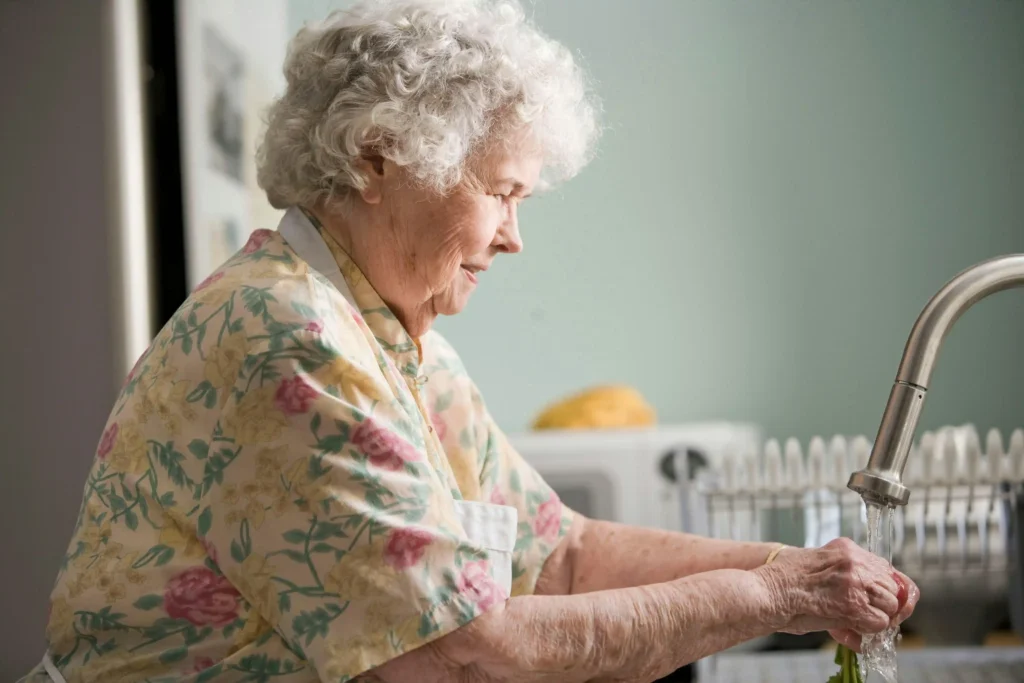
The Proper Technique for Washing Hands
Handwashing is more than just a quick wash. To really prevent infections, follow these steps:
- Wet your hands with clean, running water and apply soap.
- Lather your hands by rubbing them together, ensuring you cover the backs, between fingers, and under nails.
- Scrub for at least 20 seconds, which is roughly the time it takes to hum the “Happy Birthday” song twice.
- Rinse well under clean water and dry using a clean towel or air dry.
Using Sanitizers Effectively
When you can’t wash your hands, use alcohol-based sanitizers. Choose ones with at least 60% alcohol to fight viruses and bacteria.
Use enough sanitizer to cover all surfaces of your hands. Rub them together until they’re dry. Don’t wipe off the sanitizer before it dries, as it won’t kill germs as well.
Encouraging Your Parent to Participate
Changing a loved one’s habits can be tough. But your approach matters a lot. Instead of telling them what to do, show them it’s a shared team effort to stay healthy.
Wash hands together before meals or after going out. This makes it a normal part of your day, and it helps build the habit without making your parent feel bossed around. Gentle, consistent encouragement is the way to build lasting, healthy habits.
Optimizing Your Home Environment for Better Air Quality
Your home should be a safe haven, even more so when caring for an aging parent. The air quality inside is key to their comfort and lung health. Making a few changes can make a big difference in their well-being.
Reducing Dust and Allergens
Dust, pet dander, and pollen can irritate sensitive airways. To reduce these, vacuum carpets often and wash bedding in hot water weekly. Use a damp cloth to dust instead of a feather duster to keep particles from flying around.
Removing heavy curtains or rugs can also help. Keeping your home tidy makes cleaning easier. These habits are key to preventing respiratory illnesses.
The Benefits of Using an Air Purifier
An air purifier is a strong defense against pollutants that cleaning can’t catch. These devices use HEPA filters to trap tiny particles, so your parent breathes cleaner air all day.
Choosing a good air purifier gives you peace of mind and helps lower the risk of respiratory problems.
Recommended Models for Home Use
When picking a device, choose one that fits your room size. For small bedrooms, the Levoit Core 300 is a popular choice. For bigger spaces, the Coway Airmega AP-1512HH is well-reviewed.
Essential Home Tools for Respiratory Health
Having the right tools at home is key for respiratory illness prevention. Being prepared helps you act fast if your parent’s health changes, and this way you both can feel more at ease.
Using Masks in High-Risk Situations
Masks are a first line of defense against airborne germs. Encourage your parent to wear a good mask in crowded places or hospitals. Wearing it consistently — not just occasionally — is what keeps this protection effective during flu season.
Selecting Comfortable and Effective Masks
Finding a mask that your parent will wear means balancing protection and comfort. Look for soft, adjustable masks that don’t irritate. Breathable N95 or KN95 masks tend to be the most highly rated for comfort.
Getting the right fit is critical for respiratory illness prevention. A mask that’s too loose won’t block germs. Try different masks to find the best fit for your parent’s daily life.
Monitoring Oxygen Levels at Home
A pulse oximeter is a small device that checks oxygen levels in the blood. Having one at home lets you easily monitor your parent’s health. If their levels drop, call their doctor right away.
Using a pulse oximeter is easy and doesn’t hurt. Knowing their oxygen levels helps you make smart choices about when to get medical help — but it should support your doctor’s guidance, not replace it.
The Role of Vaccination in Senior Wellness
Experts say vaccines are one of the most effective ways to keep senior health strong. They offer a key defense against serious illnesses that come with age. Giving your parent these shots is a loving way to help them stay healthy for years to come.
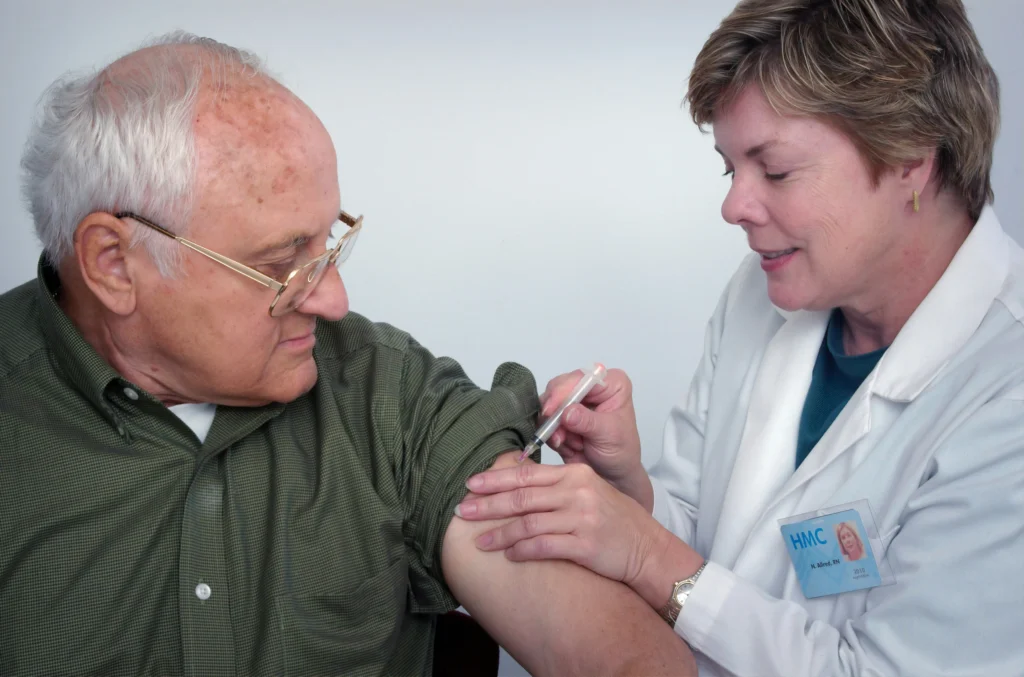
Staying Current with Flu and Pneumonia Shots
Getting an annual flu shot is key because the flu virus changes every year. It’s one of the best ways to protect your parent from new strains — the CDC’s flu vaccine guidance covers who needs one and when. Pneumonia shots are also important to prevent serious lung infections that could lead to hospital stays.
Here are some benefits of keeping up with shots:
- Reduced risk of severe illness and hospitalization.
- Lower chance of developing secondary bacterial infections.
- Improved overall quality of life during the winter months.
Discussing Vaccination Schedules with Physicians
Going to the doctor can be tough, but you’re your parent’s best helper. When you see their doctor, bring a list of their medicines and past shots. This helps the doctor choose the right vaccines for your parent’s needs.
Here’s a table to help you prepare for your next doctor’s visit:
| Vaccine Type | Frequency | Purpose |
|---|---|---|
| Annual Flu | Every Year | Seasonal Protection |
| Pneumococcal | As Recommended | Pneumonia Prevention |
| COVID-19 | Per Guidelines | Respiratory Defense |
Always talk to the doctor about possible side effects and how to handle them at home. Good communication makes you feel sure about the care plan. By being organized, you help your parent’s health and give them peace of mind.
Managing Humidity and Ventilation in Living Spaces
Improving your parent’s breathing can start with controlling humidity and airflow. A balanced indoor climate is a first line of defense against irritants that can make breathing hard for seniors.
Maintaining Ideal Indoor Humidity Levels
It’s important to keep the air’s moisture level right for comfort. Dry air can irritate the lungs and make breathing harder.
Try to keep humidity between 30% and 50%. Use a digital hygrometer from a hardware store to check. Keeping this steady, rather than adjusting it only occasionally, makes the biggest difference for your parent’s comfort.
The Importance of Fresh Air Circulation
Stagnant air traps dust, allergens, and germs that can harm your parent’s immune system. Opening windows for a few minutes daily helps exchange air and reduce these harmful particles. Indoor air quality is often the most overlooked element of home wellness, but it plays a direct role in how easily your parent breathes.
If you can’t open windows, a good air purifier is a great alternative. These devices clean the air continuously, helping ensure your parent breathes cleaner, filtered air.
Using Humidifiers Safely
Humidifiers add moisture to dry rooms but need regular cleaning to stay safe. If not cleaned, they can grow mold and bacteria, which works against your goal.
Always use distilled water to avoid mineral buildup. Empty and sanitize the tank every few days to keep the environment genuinely healthy for your parent.
Supporting Immune Health Through Nutrition and Supplements
Keeping your parent healthy starts with their daily food and drink choices. A strong immune system needs good nutrition to stay strong. Making small diet changes can help them fight off illnesses better.

Hydration and Its Role in Respiratory Health
Drinking enough water is a simple yet powerful way to protect your parent. Water helps clear out mucus in the lungs, making it easier to fight off germs. When they drink enough, their body can defend itself better.
Encourage them to drink water all day, not just when they’re thirsty. Herbal teas and clear broths are great for staying hydrated and feeling comforted, especially in the cold months.
Essential Vitamins for Seniors
As people get older, their bodies need more help to stay healthy. Some vitamins are very important for keeping the lungs and respiratory system strong. Adding certain supplements to their daily routine can help fill any nutritional gaps — always with their doctor’s input first.
Vitamin D and C: What to Discuss With Their Doctor
Vitamin D helps regulate the immune system, while Vitamin C is a strong antioxidant. Common options include Nature Made Vitamin D3 or Emergen-C Immune Support. Always talk to their doctor before starting any new supplement, since some can interact with existing medications.
| Nutrient | Primary Benefit | Food Source |
|---|---|---|
| Vitamin D | Immune Regulation | Fortified Milk |
| Vitamin C | Antioxidant Support | Citrus Fruits |
| Zinc | Cellular Defense | Lean Meats |
Focusing on these nutrients is a smart way to support senior health. Good nutrition and enough water give your loved one a strong defense against colds and flu.
Safe Socialization Practices During Flu Season
Keeping your aging parent connected to loved ones while shielding them from illness requires a thoughtful strategy. You can balance their need for social interaction with the reality of peak flu months. Prioritizing their health doesn’t mean they must be isolated.
Managing Visitors and Family Gatherings
Always ask guests about their health before they visit. If they have even mild symptoms, ask them to reschedule. Clear communication is key to preventing the spread of germs.
Try hosting gatherings in well-ventilated areas or outdoors when the weather is nice. If you must meet indoors, keep the group small and ensure everyone washes their hands upon arrival. Small, controlled visits are safer than big, crowded events during high-risk seasons.
Virtual Connection Alternatives
Technology is great for keeping your parent engaged without risk. Video calls let them see the faces of family and friends in real-time, boosting their emotional well-being. Setting up a simple tablet or computer makes these connections easy for them.
If your parent isn’t tech-savvy, regular phone calls or sending physical letters and photos are good alternatives. These meaningful gestures remind them they are loved and supported, even when they can’t be together — and keeping them regular, not just occasional, is what keeps the bond strong all year.
Recognizing When to Call the Doctor Immediately
Knowing when to call a doctor can really help your parent get better faster. You do a great job every day, but sometimes a doctor is needed. Trusting your instincts is key in caring for your parent.

Red Flags Requiring Urgent Attention
Some symptoms mean your parent needs to see a doctor fast. Call a doctor if your parent has a persistent high fever that won’t go away, or if they’re breathing hard all of a sudden. These are signs of a serious respiratory infection.
Watch for changes in how clearly your parent thinks or if they’re very tired. If they seem confused or can’t stay awake, it’s a critical warning sign. Remember, this guide is for information only — always talk to a doctor for advice on your parent’s health.
Preparing for Medical Appointments
Being ready for a doctor’s visit helps get the right treatment. Keep a detailed symptom log of when the illness started and how it’s changed. This helps the doctor understand your parent’s health better.
Before you go to the clinic, write down all the medicines and supplements your parent takes. Also jot down any questions or concerns you have. Taking these small steps will make you feel more ready and focused on your parent’s health.
Creating a Daily Wellness Routine for Your Parent
Creating a daily routine is a key caregiver habit for your parent’s health. A regular schedule helps you notice any changes early, which can prevent serious health issues.

Morning Health Checks
Begin each day with a gentle check-in. This helps you understand your parent’s health quickly and guides your care for the day.
Track important signs every morning:
- Temperature: A quick check helps identify early signs of fever.
- Breathing Rate: Observe if their breathing is labored or unusually rapid.
- Energy Levels: Note if they seem more lethargic than their typical baseline.
- Hydration: Check for signs of thirst or dry skin.
Why this works: a quick daily check turns a vague worry into a concrete early-warning system, so you can act with confidence instead of second-guessing yourself.
Evening Hygiene and Rest Protocols
As night falls, focus on keeping your parent clean. This habit helps protect them from germs, and a clean environment is key for a good night’s sleep.
Set up a calming evening routine that helps your parent sleep well. A quiet, tidy room reduces stress and aids in better sleep.
Make sure your parent follows these habits for a good night:
- Wash hands and face thoroughly to remove daily allergens.
- Change into fresh, comfortable sleepwear.
- Maintain a consistent bedtime to regulate their internal clock.
- Keep the bedroom well-ventilated to support easy breathing throughout the night.
By following this routine, you create a strong health foundation for your parent. Your daily efforts greatly improve their life quality.
Navigating Challenges When Your Parent Resists Help
It’s tough when you want to help your parent but they don’t want it. They might not want to change their routine, even if it’s for their health. Here’s how to handle these situations with kindness and understanding.
Communicating Your Concerns with Compassion
How you talk to your parent matters a lot. Don’t sound like you’re bossing them around. Instead, talk about how you feel — this keeps the conversation friendly.
Use “I” statements to share your feelings. For example, say, “I feel better when the air purifier is on.” This way, you’re talking about your feelings, not theirs.
- Listen to their reasons for not wanting to change.
- Accept their feelings before suggesting a solution.
- Speak calmly and clearly during the conversation.
Finding Compromises for Daily Care
Finding a middle ground is key. If your parent doesn’t want to follow a health rule, try to make it less invasive. Small changes can make a big difference without causing fights.
Here are some ways to work together:
- Offer choices: Let them pick the best time for health checks.
- Start small: Introduce changes one at a time, not all at once.
- Focus on benefits: Explain how certain actions, like wearing masks, keep them safe and happy.
Your main goal is to help your parent stay healthy while keeping their dignity. Being flexible and patient helps create a collaborative environment. This way, you can keep your parent safe from respiratory infections.
Accessing Professional Resources at Elder Care Haven
You don’t have to face caregiving alone. Elderly care is a big responsibility that can be very tough. At Elder Care Haven, we offer the support and tools you need to succeed.
Downloading Your Free Caregiver Checklist
Keeping things organized is key to your parent’s health and safety. We’ve made a free Caregiver Checklist for you at eldercarehaven.com. It helps you keep track of health tasks and medical needs, so you can spend more time with your loved one.
Connecting with the Elder Care Haven Community
Connecting with others who get it can be a big comfort. Our community of caregivers is here to share experiences and tips. Join us to get support and advice on elderly care.
| Support Type | Benefits | Outcome |
|---|---|---|
| Digital Checklists | Organization | Reduced Stress |
| Community Forums | Peer Advice | Emotional Relief |
| Professional Guides | Expert Knowledge | Better Health Outcomes |
Conclusion
Your dedication to your parent’s health makes their living space safer and more comfortable. Fighting off respiratory infections is a long-term effort. It needs patience, consistency, and the right tools.
By using these strategies, you’re making a big difference in their life. Small changes at home and in your routine can greatly improve their well-being. Keep watching over them and making their safety a top priority.
If you have health concerns, always talk to a doctor. They can offer advice that fits your parent’s specific needs. Trust your instincts as you care for them every day.
About the Author: [Your Name], [your background — e.g. “family caregiver and senior health researcher”], writes about aging, caregiving, and senior health at eldercarehaven.com.
FAQ
How can caregivers prevent respiratory infections in elderly parents effectively at home?
Preventing respiratory infections starts with good habits. Make sure to wash hands often and keep vaccinations up to date. Also, keep the home clean and well-ventilated.
Try to limit your parent’s visits to crowded places during flu season. Encourage them to drink plenty of water to keep their airways moist.
Why are respiratory infections more dangerous for my aging parent than for me?
As people get older, their immune system weakens. This makes it harder for them to fight off infections. Chronic health issues can also make breathing problems worse.
What are the early warning signs of respiratory illness I should look for?
Watch for signs like a persistent cough or low fever. Also, notice if your parent seems unusually tired. If they’re breathing fast or shallowly, it’s time to see a doctor.
Which home tools are best for monitoring my parent’s respiratory health?
Use a pulse oximeter to check oxygen levels. Also have good masks, like N95 respirators, for protection.
How does air quality impact elderly health and lung function?
Clean air is key for seniors. Dust and allergens can harm their airways. Use an air purifier with a HEPA filter to clean the air, and open windows to let in fresh air.
What supplements can help support my parent’s immune system?
Good nutrition is important. Talk to their doctor about Vitamin D3 and Vitamin C supplements before starting anything new.
When should I stop monitoring at home and call a doctor immediately?
Call a doctor if your parent has trouble breathing, chest pain, or a high fever. Don’t wait if they seem confused or disoriented. This guide is just a starting point; always seek medical advice for serious symptoms.
How can I encourage my parent to follow hygiene protocols if they are resistant to help?
Seniors might feel like they’re losing independence. Explain that these steps help them stay healthy and independent. Find ways to make hygiene routines enjoyable, like using a favorite hand sanitizer.
Where can I find more support for my journey as a caregiver?
You’re not alone in caregiving. Visit eldercarehaven.com for resources and support. This community offers tools and emotional support to help you care for your loved one.