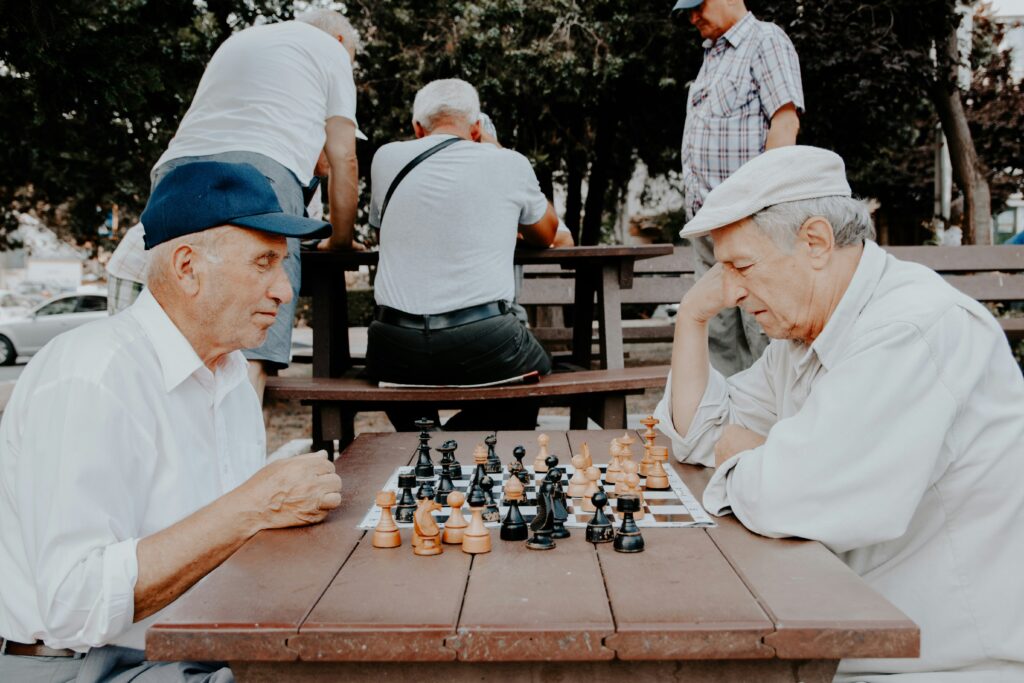

Have you ever seen your parent’s face light up when a familiar song plays? That magical moment is special. It brings back the person you love, even if just for a moment.
Using trivia for seniors with dementia can be very helpful. The right questions can open doors in their minds, reaching feelings and memories that everyday conversation often can’t.
Doing these simple activities can make their lives better. You don’t need to be a professional to help. Just being there and patient is the greatest gift you can give.
A note before you start: Every person’s experience with dementia is different, and what works well for one senior may not work for another. These activities are meant to support connection, not to diagnose or treat any condition. Talk with your parent’s doctor or a memory care specialist about what’s appropriate for their specific stage and needs.
Key Takeaways
- Meaningful conversation helps bridge the gap created by cognitive decline.
- Simple recall activities can significantly boost a loved one’s mood.
- Focusing on positive past experiences creates a safe emotional space.
- Shared laughter and stories strengthen your bond during difficult times.
- Consistency in gentle engagement helps maintain a sense of identity.
The Magic of Reminiscence: Why Trivia Works
Simple questions can connect the past and present for your loved one. Using memory trivia with seniors can reveal hidden stories. It also gives a sense of accomplishment, often lost in daily life.
This method turns regular chats into brain exercises. It’s a way to keep their mind active and engaged. It’s also grounded in real practice — the Alzheimer’s Association describes reminiscence as one of the most effective ways to connect with someone living with dementia.
Long-Term Memory vs. Short-Term Memory
The brain handles information in complex ways. Yet, it keeps long-term memories longer than recent ones. Reminiscence-based trivia exercises tap into these deep memories.
These memories are stored in parts of the brain that stay strong even when other areas decline. This is why your loved one can recall old memories with surprising clarity.
Recalling these memories makes them feel competent again. It helps avoid the frustration of short-term memory loss. They can join in conversations where they feel capable and understood.
The Emotional Connection of Shared Activity
Trivia is more than just a brain game; it’s a way to bond emotionally. It helps reduce feelings of isolation and anxiety. It creates a space filled with shared joy, not just the challenges of a diagnosis.
Sharing these moments strengthens empathy and connection. This shared activity makes caregiving a positive experience. It reminds us that the person with the diagnosis is more than their condition; they have a rich history to share.
| Memory Type | Characteristics | Role in Trivia |
|---|---|---|
| Short-Term | Fragile and easily lost | Often causes frustration |
| Long-Term | Deeply rooted and stable | Provides success and joy |
| Emotional | Linked to feelings | Strengthens the bond |
How to Adapt Trivia for Different Dementia Stages
You can keep your loved one engaged by adjusting your trivia style to match their current cognitive abilities. Because dementia affects every individual differently, flexibility is the cornerstone of a positive experience. By tailoring the difficulty level, you ensure that your parent feels successful.
Early Stage: Engaging Through Conversation
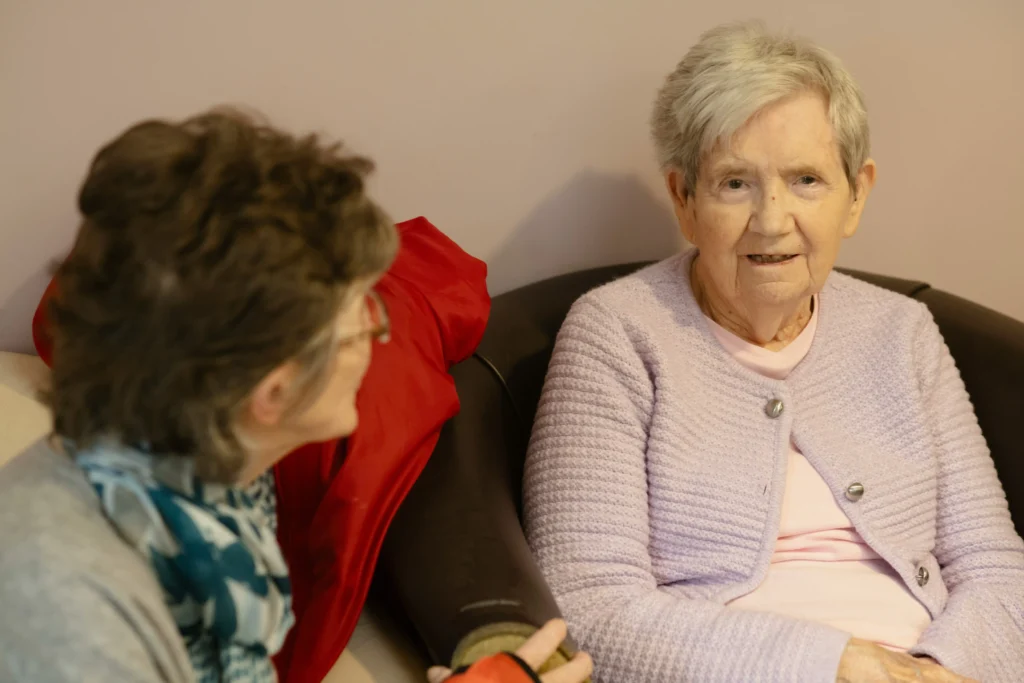
In the early stages, your loved one likely retains strong verbal skills and the ability to recall complex memories. Use open-ended questions that encourage storytelling and deep reflection. Focus on their personal history, such as their favorite childhood vacations or early career milestones.
This approach treats the activity as a natural conversation. It allows them to share their wisdom and maintain a sense of identity. Keep the atmosphere light and supportive to foster a genuine connection.
Middle Stage: Focusing on Familiarity and Success
As the condition progresses, open-ended questions become more challenging. Switching to multiple-choice trivia can help reduce frustration. Providing two or three clear answers allows your loved one to participate with confidence.
Focus on topics that rely on long-term memory, such as classic songs, famous historical figures, or well-known household items. Success is the primary goal here, so celebrate every correct answer with enthusiasm. This positive reinforcement helps maintain their self-esteem and keeps the interaction enjoyable.
Late Stage: Sensory-Based Trivia and Simple Yes-No Questions
For late-stage dementia, the focus shifts from complex recall to sensory engagement and emotional comfort. At this stage, simple yes-no questions are often the most effective way to communicate. You might ask, “Is this a picture of a rose?” or “Do you like the smell of this lavender?”
Incorporate sensory cues like music, photographs, or familiar objects to spark recognition. The goal is not accuracy, but the comfort of shared presence and gentle stimulation. By simplifying your approach, you create a safe space where your loved one feels heard and valued.
Essential Tips for When Your Parent Gets Frustrated
It’s normal for your parent to feel overwhelmed when they can’t remember things during a trivia session. These moments don’t mean the activity failed. They’re just part of the journey. Your calm presence is key to handling these moments with grace.
Recognizing Signs of Overstimulation
Before frustration gets out of hand, you can spot early signs. Learning to recognize these cues helps you act fast and keep things positive. Look out for these signs that your parent might need a break:
- Increased fidgeting or tapping of fingers.
- Sudden withdrawal or silence after being talkative.
- A furrowed brow or signs of physical tension.
- Repeatedly asking to stop or looking away from the activity.
The Importance of Validation Over Accuracy
When doing trivia together, remember the goal is connection, not perfection. If your parent answers incorrectly, don’t correct them. Instead, validate their effort and the emotion behind their response.
As caregiver support groups often put it: the goal of these activities is to foster a sense of belonging and joy, not to test academic knowledge.
Focus on the feeling of the moment to make your parent feel safe and heard. If they answer wrong, just smile and move on as if it were right. This keeps the mood light and preserves their dignity.
How to Pivot When a Question Falls Flat
At times, a topic might confuse or upset your parent. If you see them struggling, don’t wait to switch to a different subject. Here are ways to change the mood:
- Switch to a topic that brings them comfort, like music or family history.
- Use gentle humor to lighten the mood of a tough question.
- Try a simple, stress-free activity like looking at old photos together.
- Take a short break to enjoy a snack or a warm drink before trying again.
Being flexible ensures your time together is happy. Remember, this trivia is meant to connect you, not stress you out.
1950s and 1960s Nostalgia Trivia
Exploring 1950s and 1960s nostalgia trivia is a great way to bond with your parent. These questions aim to unlock memories that are often clear and easy to recall. This era’s changes and events can bring joy and a sense of pride to your loved one.
Questions About Iconic Cultural Moments
The mid-twentieth century was a time of big changes and unforgettable moments. Here are some questions to start a fun conversation:
- What was the name of the first televised presidential debate in 1960?
- Can you remember the 1969 event when humans first walked on the moon?
- Which 1950s dance craze involved twisting your hips to the beat?
- What was the name of the famous 1967 music festival in California?
- Which classic 1950s TV show featured a famous red-headed comedian?
Recalling Famous Figures and Trends
These questions help your parent share their history and feelings about the era’s icons and styles:
- Who was the famous “King of Rock and Roll” from the 1950s?
- What was the name of the 1960s fashion style known for bright colors and bold patterns?
- Which legendary actress was famous for her blonde hair and 1950s movies?
- What was the name of the small, fuel-efficient car that symbolized the 1960s?
- Which British band made a big splash in the United States during the 1964 “British Invasion”?
Remember, the goal is connection, not accuracy. If your parent can’t find the right answer, give gentle hints or share a story related to the topic. This keeps the activity enjoyable and supportive for everyone.
Music and Songs That Resonate
Music often connects us to our memories, even when other parts of our brain struggle. Rhythm and melody are stored in different brain areas. This means they can bring back memories that words can’t.

Classic Melodies and Famous Crooners
Many seniors grew up listening to the golden age of radio and big bands. Singers like Frank Sinatra, Bing Crosby, and Ella Fitzgerald bring comfort and nostalgia. Playing these classic songs is more than just music; it’s a trip back to happier times.
These questions are meant to be easy and fun. Focus on enjoying the music, not just getting the answers right. If a question is hard, just hum the tune or sing a few lines to help them find the rhythm.
Musical Trivia to Encourage Singing Along
Use these ten questions to start a conversation or sing-along. The goal is shared enjoyment, so feel free to pause and sing together whenever you feel like it.
- Who was known as “The Chairman of the Board” and sang “Fly Me to the Moon”?
- Can you name the famous song that asks, “What a wonderful world” it is?
- Which crooner famously sang about “White Christmas”?
- What is the name of the song that features the lyrics, “Somewhere over the rainbow”?
- Who sang the classic hit “Unforgettable”?
- Can you finish the line: “You are my sunshine, my only…”?
- Which musical features the song “Do-Re-Mi”?
- Who was the “King of Rock and Roll” who sang “Love Me Tender”?
- What song encourages us to “Singin’ in the Rain”?
- Which famous duo sang “Cheek to Cheek”?
Adding these questions to your day can make it less stressful and happier. By making these moments a shared musical experience, you help your parent express themselves and feel successful.
Nature and Animal Trivia
Connecting with nature is a peaceful way to engage seniors. Nature-based questions help them feel calm and grounded.
Questions About Common Garden Birds and Flowers
Gardens bring comfort with their sights and sounds. These questions are easy and bring back happy memories.
- What is the name of the bright yellow flower that often appears in early spring?
- Can you name a common garden bird that has a bright red chest?
- Which flower is famous for having thorns and a beautiful, sweet scent?
- What do we call the small, colorful insects that flutter from flower to flower?
- Which tall, golden flower always seems to turn its head toward the sun?
Recalling Familiar Pets and Wildlife
Animals hold a special place in our hearts and memories. Talking about them can connect us to the past. These questions help seniors engage gently with their surroundings.
- What is the most common sound a dog makes when it is happy to see you?
- Which animal is known for being very independent and often purrs when it is content?
- What do we call the small, furry animal that likes to store nuts for the winter?
- Which farm animal is known for providing us with wool for our sweaters?
- Can you name a large, wild animal that is often associated with honey and the forest?
Adding these simple questions to your day can provide meaningful cognitive stimulation. The goal is to bring joy and a sense of accomplishment. Keep the atmosphere light, patient, and celebrate the memories shared.
Food and Cooking Memories
Food can take us back to our past, bringing up happy memories for those with dementia. The smells and tastes of home can spark positive memories and stories.
Classic Recipes and Kitchen Staples
Seniors often find comfort in talking about old kitchen tools and ingredients. You can ask questions to start conversations about their favorite kitchen memories:
- What was the most common ingredient in your grandmother’s pantry?
- Can you name the classic kitchen appliance from the 1950s?
- What secret ingredient makes a perfect apple pie?
- Which flour was used for homemade bread?
- What was the name of the stovetop popcorn maker?
Trivia About Traditional Holiday Meals
Holidays are filled with family traditions and special recipes. Sharing these stories can bring a sense of joy and warmth to your parent.
- What is the main dish at most Thanksgiving dinners?
- Which vegetable is a common side dish at Christmas?
- What sweet treat is left for Santa on Christmas Eve?
- Can you name the classic gelatin salad for holiday parties?
- What is the main ingredient in pumpkin pie?
The goal is to encourage connection, not to test their knowledge. If a question is hard, share your own memory or give a hint to keep the conversation going.
Simple General Knowledge for Daily Engagement
Simple trivia questions are a gentle way to keep the mind active. They connect us to the present moment. By focusing on familiar surroundings, you create a low-pressure environment for everyone. This type of trivia helps maintain cognitive function and builds a sense of accomplishment.
Everyday Objects and Household Items
Asking about items your parent sees every day taps into long-standing habits and routines. These questions are straightforward and help your loved one feel confident and successful during your time together.
- What do you use to brush your teeth in the morning?
- Which room in the house do we usually use to cook our meals?
- What object do you use to tell the time on the wall?
- What do you use to keep your feet warm when you walk outside?
- Which piece of furniture do you sit on to watch your favorite television show?
Simple Geography and Local Landmarks
Connecting with the local community helps ground your parent in their current environment. These questions focus on shared experiences within your town or neighborhood, making the activity feel relevant and personal.
- What is the name of the main street that runs through our town?
- Can you name the park where we used to go for summer picnics?
- What is the name of the grocery store where we usually buy our milk?
- Which local landmark has the big clock tower in the center of town?
- What is the name of the river or lake that is closest to our home?
Remember, the goal is connection, not accuracy. If your parent struggles with an answer, offer a gentle hint or share a personal memory related to the location.
Recommended Tools for Dementia-Friendly Trivia
Adding physical aids to your daily routine can change how you bond with your loved one through games. Having real items can make the experience more fun and easier for both of you.
Using Memory Card Games for Visual Stimulation
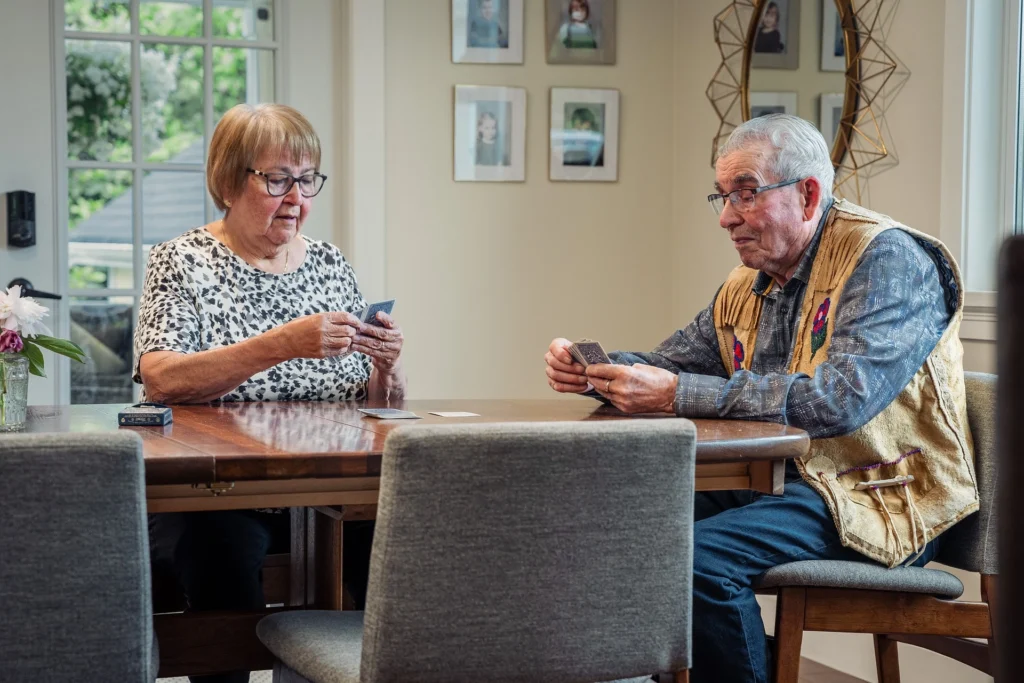
Visual cues can help when words are hard to remember. Memory games for seniors with dementia use big, clear images to spark memories. These cards are great for reducing frustration and focusing on positive moments.
Amazon has many memory games for elderly with dementia, like historical photos or common objects. Using these cards lets you guide the conversation at a pace your parent is comfortable with. This visual approach makes your parent feel successful and supported.
Selecting Trivia Games Designed for Seniors
Choosing the right materials is key for a stress-free setting. The best trivia for seniors focuses on simple questions and avoids complex rules. Look for dementia-friendly trivia that uses nostalgia and encourages storytelling.
When looking for trivia games for dementia patients, choose sets with large print and sturdy materials. Brands like Relish or Keeping Busy offer options with visual aids. These features make the games easier to use and read, boosting confidence during play.
Creating a Supportive Environment for Activity
Success starts with more than just picking the right questions — the place where you meet matters a lot. A quiet space helps your loved one enjoy the moment, not get lost in their surroundings.
Setting the Scene for Success
Find a quiet room with no TV or radio noise. Good lighting is key to reduce eye strain. Try to do these activities when your parent is most awake, like in the morning or early afternoon.
Keeping things the same helps your parent feel safe and in a routine. A calm, familiar space makes them more likely to enjoy the activity. Think about these things to make the experience better for your loved one.
| Environmental Factor | Recommended Action | Benefit |
|---|---|---|
| Background Noise | Turn off TV and radio | Improves focus |
| Lighting | Use bright, natural light | Reduces eye strain |
| Timing | Choose peak alertness | Increases participation |
| Seating | Use comfortable chairs | Promotes relaxation |
The Role of Patience and Positive Reinforcement
Your calm presence is just as important as the questions themselves. If they can’t remember something, be patient and encouraging. Validation is more important than getting every answer right.
It’s about the bond you’re building, not just winning. Every try is a chance to celebrate with a smile or a touch. Make sure your loved one feels valued and comfortable during the activity.
Understanding the Benefits of Cognitive Stimulation
Adding cognitive stimulation activities to your daily routine helps your loved one. These activities work like gentle brain exercises. They keep the brain active and engaged.
By focusing on mental activities, you create a supportive environment. This can help slow cognitive decline over time — the National Institute on Aging has more on the evidence behind engagement-based approaches to dementia care.
How Trivia Supports Brain Health
Using easy trivia questions that dementia patients can answer does more than just entertain. It makes the brain work hard to remember things. This strengthens brain connections.
Regularly doing trivia is like a mental workout. It keeps the brain flexible and sharp. This method is simple and easy to do. You don’t need fancy tools to see results — all you need is a desire to connect.
Using trivia with memory care residents helps keep their focus sharp. This is important because memory loss often starts with losing focus.
Building Confidence Through Successful Recall
These activities also have a big emotional impact. When your parent answers a question right, they feel better about themselves. This boosts their mood and reduces stress.
Success in these small moments creates a positive cycle. As your loved one feels more confident, they want to do more. This is key to keeping their quality of life high.
| Benefit Type | Primary Goal | Emotional Outcome |
|---|---|---|
| Cognitive | Neural Activation | Increased Alertness |
| Emotional | Sense of Mastery | Reduced Anxiety |
| Social | Meaningful Connection | Improved Mood |
Integrating Trivia into Your Daily Care Routine
Adding trivia to your daily care routine can make everyday moments special. It turns simple tasks into chances to connect. This makes your loved one feel more secure and less anxious.
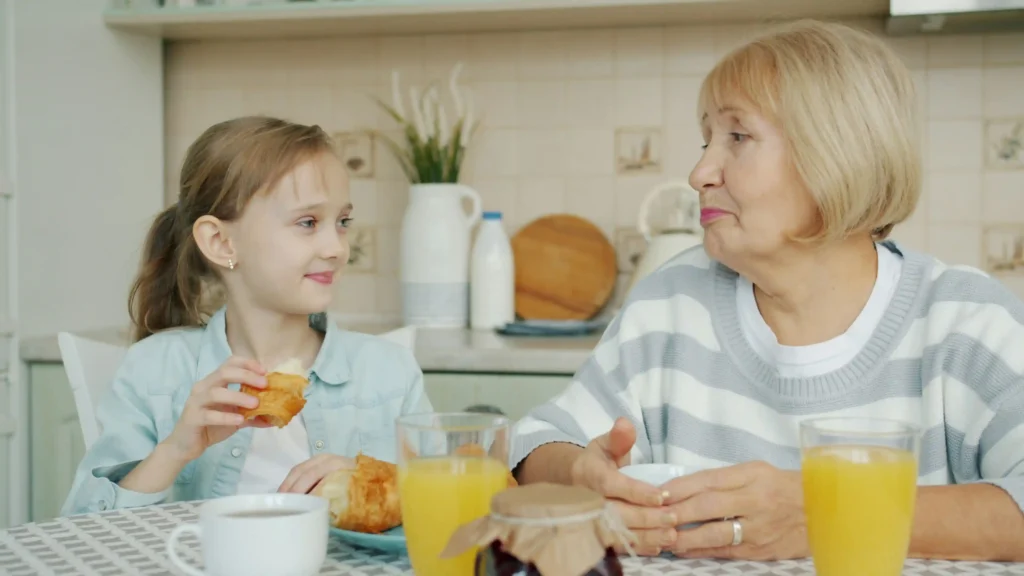
Finding the Best Time of Day for Activities
Seniors usually feel most alert in the morning. This is the best time for games that boost memory — it’s when they can focus best before they get tired.
Being consistent helps here more than anything else. Set a regular time for trivia, like after breakfast or during a coffee break. This helps your loved one look forward to it.
Balancing Trivia with Other Caregiving Tasks
You don’t have to make every trivia session a big deal. See these moments as small windows for connection that can happen while doing other important tasks, like giving medication or helping with grooming.
Keep the mood light and friendly. This way, trivia stays fun, not a burden. It’s a way to bring joy into their day.
| Time of Day | Primary Care Task | Trivia Integration |
|---|---|---|
| Morning | Medication & Breakfast | Simple historical facts |
| Afternoon | Hygiene & Rest | Nature or music themes |
| Evening | Relaxation & Bedtime | Gentle, calming memories |
Resources and Support at Elder Care Haven
Dealing with dementia care is a tough journey. It needs patience and the right support. Elder Care Haven is here to help, guiding you to be a strong, caring caregiver.
Accessing Your Free Caregiver Checklist
Being organized can reduce stress in caring for a loved one. We offer a free Caregiver Checklist at eldercarehaven.com. It helps you manage your tasks better, ensuring quality care.
This structured approach lets you enjoy meaningful moments more. Managing your schedule means more time for what matters. Visit our site to download your checklist and start organizing with confidence.
Connecting with a Community of Caregivers
Emotional support is key for your well-being. Join our community of caregivers who get what you’re going through. Sharing your story with others can offer invaluable perspective and comfort.
You’ll find a network of people committed to loving and dignifying those with dementia. Being part of this community makes you feel less alone and more empowered.
Conclusion
Using trivia can make caregiving more joyful. It turns daily tasks into special moments. You connect with your parent’s past and honor their life.
The main goal is to bring happiness and keep the bond strong. Each question is a chance to celebrate their personality and wisdom.
Always talk to a healthcare professional or memory care specialist before starting any new activities, to make sure they’re right for your loved one’s specific stage and health needs.
We hope these 50 questions and tips help you create lasting memories. Your care and dedication greatly improve their daily life.
About the Author: [Your Name], [your background — e.g. “family caregiver and dementia care researcher”], writes about aging, caregiving, and memory care at eldercarehaven.com.
FAQ
Why is reminiscence trivia such an effective tool for seniors with cognitive decline?
Reminiscence-based trivia taps into long-term memory, which seniors often keep longer. It uses trivia questions to connect with memories from decades ago. For example, recalling details about Lucille Ball or the 1969 Moon Landing can boost a senior’s sense of identity.
How can I choose the best trivia for memory care residents that they’ll actually enjoy?
Choose trivia that brings back memories from their youth. Focus on the 1950s and 1960s, as these eras are often fondly remembered. Music trivia featuring artists like Frank Sinatra or The Beatles is also great, as music memories are very strong.
What are some examples of easy trivia questions dementia patients can answer without feeling overwhelmed?
Use simple, familiar topics for easy trivia questions. For example, ask about nature, like “What color is a robin’s egg?” or food trivia, like “What’s in a Hershey’s chocolate bar?” This keeps seniors feeling successful and not frustrated.
How should I adapt trivia for late-stage dementia if my parent can no longer engage in long conversations?
For late-stage dementia, use sensory-based or yes-no questions. Show them a picture of a vintage car and ask if they remember it. This makes trivia more accessible and encourages participation.
Where can I find dementia-friendly trivia games and tools to use at home?
Amazon has dementia-friendly trivia sets and games. Look for brands like Relish or Keeping Busy, which offer games with visual aids. These games are great for seniors who struggle with verbal recall.
How do trivia questions spark memory in people who have dementia?
Trivia questions spark memory by accessing emotional and cultural memories. They help bypass damaged brain areas and unlock vivid memories from the past.
What should I do if my parent gets frustrated during a trivia activity?
If your parent gets frustrated, focus on validation over accuracy. Agree with their answers, even if they’re incorrect. The goal is to bring joy and connection, not to test facts. If frustration persists, try a different activity, like listening to music.
Can regular brain exercises for dementia patients actually slow down symptom progression?
While there’s no cure, brain exercises can help maintain existing pathways and improve quality of life. Simple trivia can build “cognitive reserve,” boosting mood, reducing anxiety, and increasing self-worth through successful recall.
What is the best way to integrate memory care activities into a busy daily routine?
Find a “sweet spot” in the day, like the morning, when seniors are most alert. You can use trivia while preparing lunch or follow a Caregiver Checklist to schedule these moments of connection.