
Aging in place home improvements start with one honest question: is your parent’s home still safe for them to live in? You noticed it last time you visited. Maybe it was the way your father held the banister — both hands, white-knuckled, taking one step at a time. Or the way your mother paused at the bathroom door before going in, like she was steeling herself for something.
Their home hasn’t changed. But they have. And now every room you walk through, you’re doing mental math: what could hurt them here?
This guide will help you answer that question — room by room, priority by priority, starting with what matters most.
Key Takeaways
- Spotting safety risks early stops accidents before they happen.
- Small changes make a big difference in daily life.
- Start with busy spots like bathrooms and entryways.
- Planning ahead eases stress for everyone.
- Keeping their home the same helps their emotional health.
The Emotional Shift: Recognizing When Home Needs to Change
It’s hard to accept that your childhood home might not be the best for your parents anymore. It’s natural to feel sad when you see the risks it now poses. But, proactive planning is the most loving way to keep them safe and comfortable.
By starting early, you can make elderly home modifications that help them stay independent. and a fresh look at home safety.
Identifying Subtle Signs of Declining Mobility
The need for change often comes from small, quiet signs. You might see them holding onto walls or hesitant in the shower. These signs mean it’s time to think about home modifications for aging adults before a fall happens.
Watch how they handle stairs and daily tasks in the kitchen. If they get tired easily, it’s time to make their space simpler. Catching these signs early means making changes that feel like upgrades, not limits.
Starting the Conversation with Your Parents
Talking about home safety can be tough, but it’s key for their peace of mind. Start with gentle curiosity instead of demands. Ask them about their feelings on their space and what small changes could help.
When your parents help decide on safety changes, they’re more likely to accept them. Emphasize the benefits of staying independent and comfortable. This way, the home stays a safe haven for years.
| Observation | Potential Risk | Recommended Action |
|---|---|---|
| Difficulty with stairs | High fall risk | Install sturdy handrails |
| Bathroom hesitation | Slipping on wet surfaces | Add grab bars and mats |
| Dimly lit hallways | Tripping over clutter | Upgrade to motion lighting |
| High cabinet reach | Loss of balance | Lower storage solutions |
Why Aging in Place Beats the Alternative
Choosing where to spend your golden years is a big decision. Many people choose to stay in their own homes. This choice is often emotional, as your home holds many memories. By making your home senior-friendly, you can enjoy your life while meeting your needs.
The Psychological Benefits of Familiar Surroundings
Living in a home filled with memories is good for your mind. It gives you a sense of stability that’s vital for mental health. Being surrounded by familiar things helps you feel more like yourself.
Senior living enhancements do more than make your home safe. They help you feel in control. This feeling of autonomy is key to happiness. Staying in a place you know well keeps your mind sharp and your spirit high.
Statistical Evidence Supporting Senior Preference
Most older adults want to stay in their own homes. Surveys by groups like AARP show that nearly 90% of seniors want to stay put. They value their independence and the comfort of familiar surroundings.
The table below shows why many families choose to stay in their homes. They prefer the comfort and control of their own space over the clinical feel of assisted living facilities.
| Feature | Aging in Place | Assisted Living |
|---|---|---|
| Environment | Personalized & Familiar | Standardized & Clinical |
| Independence | High Control | Limited Control |
| Social Ties | Maintained | New Environment |
| Cost Structure | One-time Upgrades | Ongoing Monthly Fees |
Deciding to stay home is a choice that respects your history. With senior-friendly renovations, your home can be a safe haven for years. These senior living enhancements are an investment in your future happiness.
Understanding Aging in Place Home Improvements and Fall Prevention
Turning your home into a safe space is key. Many homes were built for ease, not for long-term safety. By focusing on aging in place home modifications, you can stay safe and independent for a long time.
The Hidden Dangers of Standard Home Design
Most homes have design elements that become dangers as we age. High thresholds, narrow hallways, and poor lighting are common hazards. These seemingly minor details can lead to serious falls.
Look at your home’s layout carefully for risks. Simple changes, like removing thick rugs or improving lighting, are important elderly home modifications. Fixing these issues early can prevent injuries and give your family peace of mind.
Consulting an Occupational Therapist for Personalized Assessments
General safety tips are good, but every home and person is different. An occupational therapist can give you expert clinical insights for your specific needs. They offer advice that goes beyond what you can find online.
An occupational therapist will do a detailed assessment to find high-risk areas for you. Always consult a professional to make sure your home changes are safe and effective. Getting expert advice ensures your safety efforts are based on solid evidence, making your home safer and more functional.
The Priority Hierarchy: Addressing High-Risk Areas First
When starting aging-in-place upgrades, focus on the most dangerous spots. Falls are a big risk for older adults. Fixing these areas first helps your loved ones feel safer.
Focusing on Floors and Lighting
Poor lighting and uneven floors are a big problem. Start by making sure every room is well-lit. Proper lighting helps spot dangers before they cause a fall.
Check your floors for loose boards or slippery spots. Adding high-contrast markers or non-slip strips helps a lot. These small changes make moving around safer.
Removing Trip Hazards Immediately
Walk through your home to find clutter blocking paths. Clearing these areas is quick and cheap. Removing clutter greatly reduces fall risks.
Managing Rugs and Electrical Cords
Securing rugs is a great best home modification for elderly parents. If you keep rugs, make sure they’re stuck down with tape or pads. Loose rug edges can cause slips.
Electrical cords can be hidden dangers. Use cord covers or clips to keep them out of the way. These small steps make your home safer for everyone.
Bathroom Modifications for Maximum Safety
Turning your bathroom into a safe space is key for your parents’ independence. This room is the most dangerous in the house. So, making aging in place bathroom modifications is critical to avoid falls. These changes help your loved ones stay safe while keeping up with their hygiene.
Installing Grab Bars for Elderly Parents
Improving stability starts with the right support hardware. When installing grab bars for elderly parents, focus on the toilet and shower areas. These bars help with standing up or sitting down safely.
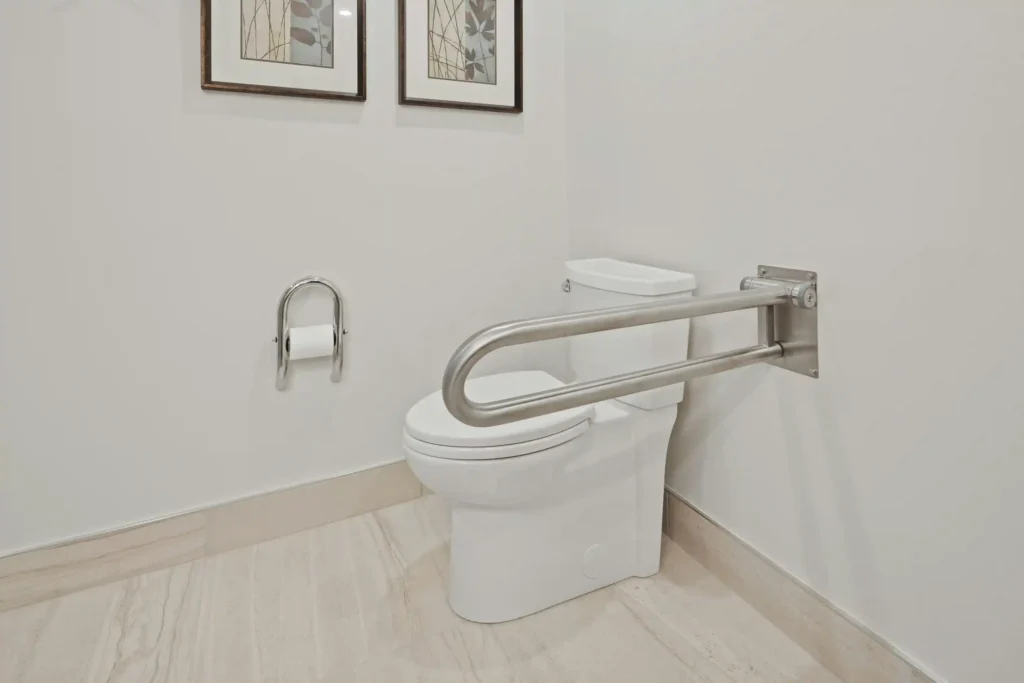
Make sure these aging in place bathroom grab bars are securely mounted. This means they should be fixed into wall studs or reinforced backing. A secure installation gives you and your parents peace of mind.
Non-Slip Flooring and Shower Upgrades
Slippery floors are a big risk in bathrooms. Using non slip flooring elderly home solutions like textured tiles or mats can help. You might also consider a walk-in shower to avoid stepping over tub walls.
These changes make moving around easier. Adding a handheld showerhead makes bathing from a seated position easier. These small changes make the bathroom safer for daily use.
Selecting the Right Shower Chairs and Handheld Sprayers
Choosing the right equipment is important for comfort. You can find durable shower chairs and ergonomic handheld sprayers on Amazon. Look for ones with adjustable heights and non-slip feet for stability.
A good handheld sprayer gives better control, making washing easier. Pairing these tools with a sturdy chair makes bathing safer and more comfortable.
| Safety Feature | Primary Benefit | Installation Difficulty |
|---|---|---|
| Grab Bars | Stability during transfers | Moderate |
| Non-Slip Mats | Prevents floor slips | Easy |
| Shower Chair | Reduces fatigue | Easy |
| Handheld Sprayer | Improved reach | Moderate |
Kitchen Upgrades for Continued Independence
Turning your kitchen into a safe space lets your loved ones keep cooking for years. By making it senior-friendly, the kitchen stays a place of joy, not stress. Small changes can make a big difference in comfort every day.
Adjusting Counter Heights and Cabinet Accessibility
Kitchen layouts often make seniors stretch too high or bend too low, raising the risk of injury. Making aging in place kitchen modifications like pull-out shelves or lower work surfaces can greatly help. These changes let your parents easily reach what they need without needing stools.
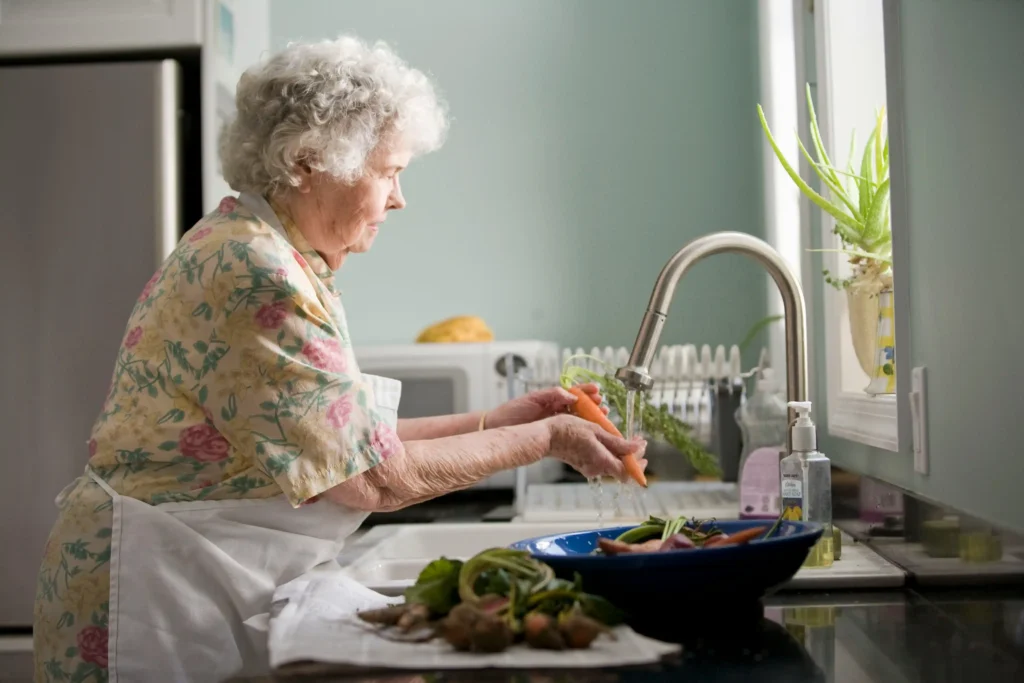
Think about swapping out lower cabinets for deep drawers that slide out smoothly. This easy change makes it easier to find heavy items. Making the kitchen accessible lets your parents cook their favorite meals with confidence.
Improving Task Lighting for Better Visibility
Good lighting is a key best home modification for elderly parents in the kitchen. As eyesight changes with age, bright, focused light is vital for safety. Under-cabinet LED strips give clear, shadow-free light right where it’s needed.
Adding motion-sensor lights near the pantry or in deep cabinets also helps. Lighting up the workspace prevents accidents and makes the kitchen more inviting. These lighting solutions help reduce kitchen accidents.
Bedroom and Hallway Safety Enhancements
Navigating the home at night can be scary. But, simple changes can make it safer. By focusing on senior living enhancements, your parents can move through their home with confidence. These small changes can greatly improve their daily life.
Installing Nightlights and Motion-Sensor Lighting
Darkness is a big problem at night, causing falls. Installing motion-sensor lighting is a great bedroom modification aging in place. These lights turn on when someone moves, lighting the way to the bathroom or kitchen.
Automated lighting has many benefits:
- Reduced confusion: Soft, warm light helps avoid getting lost in the dark.
- Hands-free operation: No need to search for switches, keeping balance.
- Energy efficiency: LED sensors only use power when needed, saving money.
“We waited until my father fell in the bathroom before we made any changes. I wish someone had told us: don’t wait for the fall. Make the changes now, before something happens that can’t be undone.”
— Christine P., daughter and family caregiver
Widening Doorways and Clearing Hallway Clutter
For hallway safety modifications elderly parents, wide paths are key. Even small things like rugs or shoes can be hazards. Keep all walkways clear of furniture, cords, and decorations.
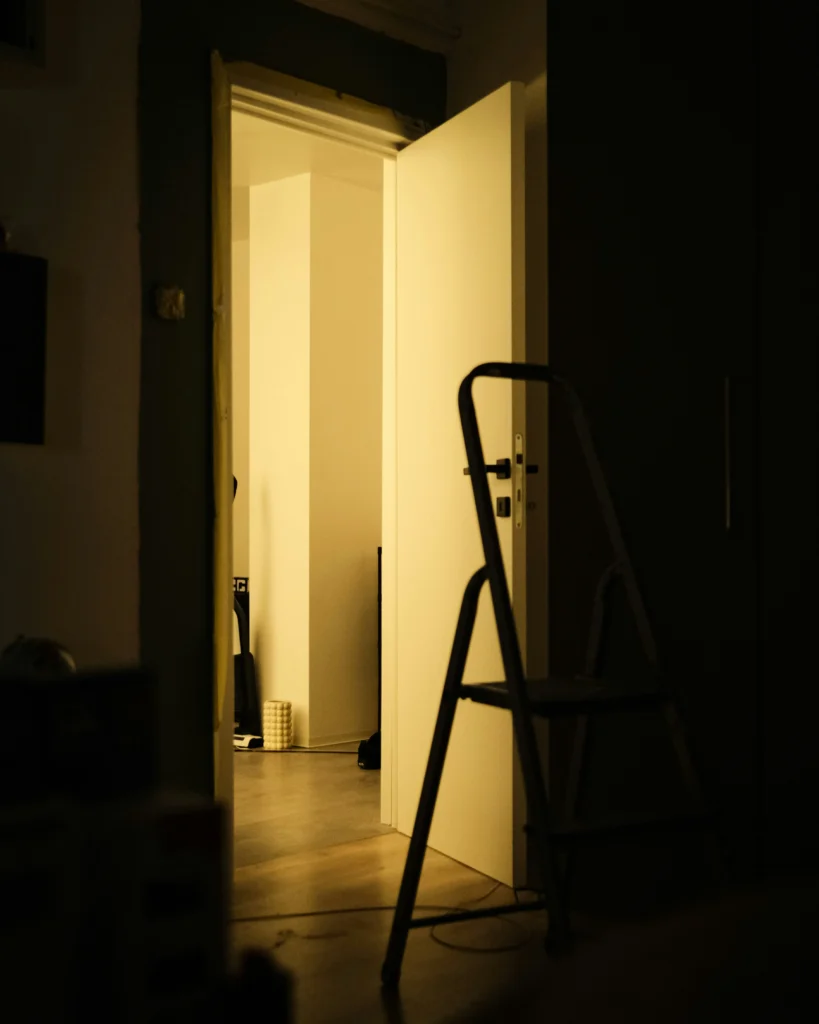
If your parents use a walker or wheelchair, standard doors can be a problem. Widening doorways is a smart move for long-term access. Investing in these changes lets your loved ones move safely between rooms.
A clear hallway is more than looks; it’s about keeping independence. Wide, obstacle-free paths let your parents keep their routines safely and with dignity.
Entrance and Exterior Accessibility Solutions
Making your entrance welcoming is key to supporting your parents’ independence. A hard-to-navigate front door can limit their outings. By focusing on elderly accessibility improvements, you ensure a safe and easy transition from outside to inside.
Installing a Wheelchair Ramp for Home Elderly Access
A sturdy ramp is a top choice for overcoming steps. You can find many options, like modular or portable ramps, at places like Amazon. These ramps are easy to set up and work well for walkers and wheelchairs.
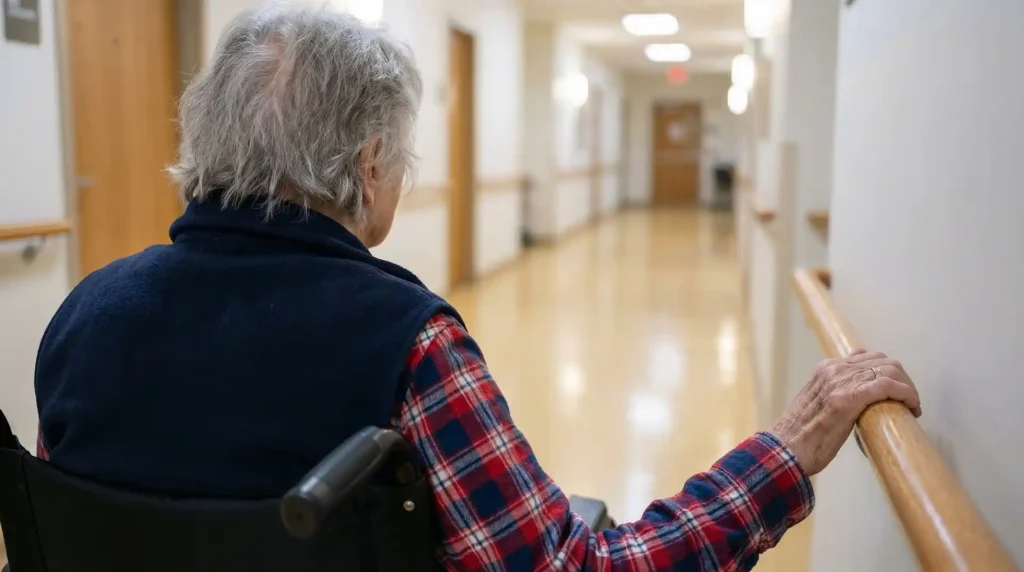
When picking a ramp, make sure it fits your porch’s rise. Aluminum ramps are great because they’re light, weather-resistant, and need little upkeep. Make sure the surface is slip-resistant, even in bad weather.
Improving Porch Lighting and Handrail Stability
Improving entrance modifications is also important. Motion-sensor lights near the door help your parents see at night. This simple change greatly lowers the risk of falls.
Handrails on both sides of steps offer extra support. They must be securely attached to the house to avoid wobbling. A strong grip is vital for balance, which is important for seniors.
| Safety Feature | Primary Benefit | Maintenance Level |
|---|---|---|
| Aluminum Ramp | Smooth entry access | Low |
| Motion Lighting | Enhanced visibility | Minimal |
| Sturdy Handrails | Improved balance | Low |
| Non-Slip Mats | Fall prevention | Moderate |
Home Improvement Priority List with Estimated Costs
Looking at the costs of home safety can be easier when you break it down. Planning ahead helps you create a safe home without spending too much. Focus on aging in place home improvements that are most important for safety.
Budgeting for Essential Safety Upgrades
First, find the most risky areas in your parents’ home. You don’t have to do everything at once. Start with aging-in-place upgrades that prevent falls and make moving around easier.
Begin with small, affordable changes like better lighting or removing rugs. These can make a big difference in safety. Then, you can do bigger changes with a clearer budget.
Estimated Costs for Common Modifications
The table below shows typical costs for aging in place home modifications. Remember, these are just estimates. Costs can change based on where you live and what materials you pick.
| Modification Type | Estimated Cost Range | Safety Impact |
|---|---|---|
| Grab Bar Installation | $100 – $300 | High |
| Motion-Sensor Lighting | $50 – $200 | Medium |
| Non-Slip Flooring | $500 – $2,000 | High |
| Wheelchair Ramp | $1,000 – $4,000 | High |
Managing aging in place cost home improvements means balancing now and later. Keep a list of your priorities. This way, you can make smart choices. will give your parents the comfort and freedom they need.
Deciding Between DIY Projects and Professional Installation
When you start making your home safer, choosing between DIY and professional help is key. Elderly home remodeling needs a balance between your budget and the quality of safety features.
When to Tackle Projects Yourself
For small diy aging in place modifications, you can save money by doing it yourself. Simple tasks like putting non-slip strips in the shower or adding nightlights are great for a weekend. Replacing cabinet knobs with easier handles is also a good DIY project.
These small changes can make a big difference right away. Just make sure you have the right tools and follow the instructions carefully to keep your home safe.
Hiring Certified Aging-in-Place Specialists
For bigger home improvements for elderly parents, it’s better to hire a pro. Certified Aging-in-Place Specialists (CAPS) know the building codes and structural needs for safety.
Choosing professional aging in place modifications is best for electrical, plumbing, or structural changes. They make sure everything is done right and meets local rules, giving you peace of mind.
Evaluating the Need for a Stair Lift for an Elderly Parent
If your home has stairs, you might think about getting a stair lift for an elderly parent. This is a big investment that needs to be installed correctly for safety.
While you can buy different models online, getting a professional to install it is recommended. A certified tech will check if your stairs can handle the lift and if the electrical setup is safe.
| Project Type | Difficulty Level | Recommended Approach |
|---|---|---|
| Installing Grab Bars | Moderate | Professional Recommended |
| Adding Nightlights | Low | DIY Friendly |
| Stair Lift Installation | High | Professional Required |
| Cabinet Hardware | Low | DIY Friendly |
Navigating Medicare and Insurance Coverage for Home Modifications
Starting home modifications can be confusing. Many families don’t know where to find funding. Learning about your options now can save you a lot of stress later.
Understanding What Medicare Covers
It’s key to know what medicare home modifications coverage includes. Medicare Part A and Part B usually don’t cover things like ramps or grab bars. These are seen as home improvements, not medical needs.
But, Medicare Advantage plans might offer extra benefits. These could include safety items for home modifications for aging adults. Always ask your plan provider about these benefits. Make sure to get a written summary of your coverage.
Exploring Private Insurance and Local Grants
If Medicare doesn’t help, check your private insurance. Some long-term care policies cover home safety modifications seniors need. Check your policy to see if your upgrades are covered.
There are also local grants for home repairs. Look into these resources to fund your project:
- Area Agencies on Aging: They can tell you about local grants for home accessibility.
- State Housing Finance Agencies: They might offer low-interest loans for home repairs.
- Non-profit organizations: Groups like Rebuilding Together can help with labor costs for safety projects.
Accessing the Free Caregiver Checklist at eldercarehaven.com
Keeping track of your budget and timeline is important. Use a aging in place checklist home improvements to stay organized. This helps you not forget important safety steps while managing your money.
To make planning easier, visit eldercarehaven.com. Download our free Caregiver Checklist. It’s designed to help you understand home safety better.
Conclusion
You don’t have to do everything at once. Nobody does. The families who get this right aren’t the ones who renovated everything in a weekend — they’re the ones who started with one grab bar, one better light bulb, one rug removed from a hallway.
Start there. Start today.
Because the goal isn’t a perfectly modified home. The goal is more time — more mornings, more dinners, more ordinary days — with the person you love, in the place they call home.
Download our free Caregiver Survival Checklist at eldercarehaven.com — it includes a room-by-room home safety audit you can complete in under an hour.
This article is for informational purposes only. For personalized home modification advice, consult a Certified Aging-in-Place Specialist (CAPS) or occupational therapist.
FAQ
What are the most critical aging in place home improvements to tackle first?
First, focus on fall prevention. Remove trip hazards like loose rugs. Improve lighting with high-lumen LED bulbs. Install grab bars in the bathroom.By tackling these areas first, you create a safety net for your loved ones.
Does medicare home modifications coverage pay for these updates?
Traditional Medicare doesn’t cover home modifications like ramps or grab bars. They are seen as home convenience items, not durable medical equipment. But, check your Medicare Advantage plan or private insurance.Some plans now offer benefits for senior-friendly renovations that prevent injury. For a detailed breakdown of expenses, review an aging in place cost home improvements guide.
How can I make a bathroom safer without a full elderly home remodeling project?
Start by adding non slip flooring for the elderly home. Use slip-resistant mats or specialized coatings. Installing a quality grab bar and a high-quality shower chair can enhance safety and independence.
When should I consider a wheelchair ramp for home elderly access?
If your parent uses a walker or wheelchair, or struggles with steps, consider a wheelchair ramp. Modular aluminum ramps from brands like modular aluminum ramps available online are sturdy and reliable. They make it easier for your parents to leave the house.
Are diy aging in place modifications safe, or should I hire a professional?
DIY modifications like clearing clutter or installing plug-in motion-sensor nightlights are usually safe. But, for complex tasks like widening doorways or installing a stair lift, hire a Certified Aging-in-Place Specialist (CAPS). They ensure everything meets safety codes.
What are the best bedroom modifications aging in place experts recommend?
For nighttime safety, focus on visibility and stability. Install motion-activated lighting under the bed frame. Ensure there’s a clear path to the bathroom.Make sure the bed is at a height that allows your parent’s feet to touch the floor when sitting on the edge.
How do aging in place kitchen modifications help maintain independence?
Aging in place kitchen modifications reduce the need for reaching, bending, and heavy lifting. Install pull-out shelving and move appliances to counter height. Upgrade to lever-style faucets for easier use.These enhancements empower your parents to prepare their own meals safely.
Where can I find a comprehensive aging in place checklist for home improvements?
Download a free, detailed aging in place checklist home improvements guide at eldercarehaven.com. It helps you audit every room to ensure you haven’t missed any vital home safety modifications for seniors.