
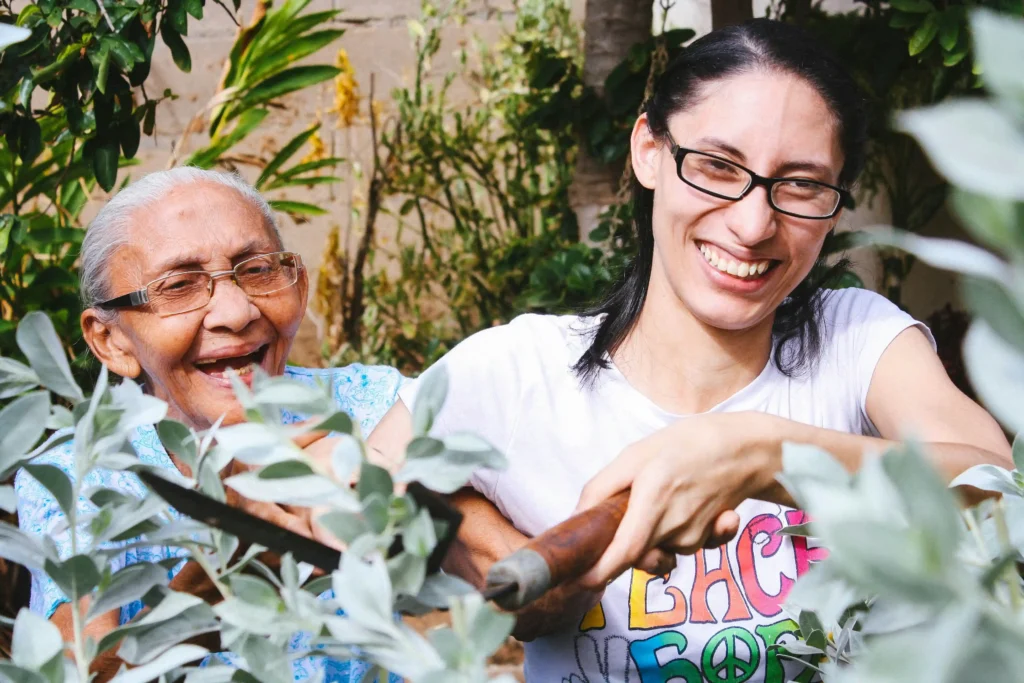

The diagnosis can feel like losing the person you love, memory by memory. Yet, a hidden light shines even in the darkest times.
Have you seen your parent’s face light up with a real smile? That spark of recognition or happiness is a powerful reminder of their spirit. It makes all the caregiving worth it.
By focusing on joy, your daily routine becomes filled with meaningful connections. You don’t have to let the diagnosis define your bond. Choosing the right activities for seniors with dementia can help create new memories that celebrate who they are today.
Key Takeaways
- Focus on the emotional connection, not just the task.
- Small, simple moments often bring the most joy.
- Adjust your approach to match your loved one’s energy.
- Patience and presence are key as a caregiver.
- Shared laughter keeps the bond strong.
Finding Moments of Connection Through Shared Joy
Building a bridge of connection starts with simple, shared joy. Being present together is key. Many activities dementia patients enjoy don’t need complex skills but a heart fully in the moment.
Your presence is more important than the task you choose. Even if your parent can’t say how they feel, they show it in small ways. Look for these signs to pick the right activities dementia patients enjoy for them.
To know if a moment is special, watch for these signs. These small cues help you adjust and strengthen your bond.
| Indicator | Physical Sign | Emotional Result |
|---|---|---|
| Relaxed Posture | Shoulders drop and tension fades | Increased comfort |
| Eye Contact | Soft, steady gaze toward you | Deepened connection |
| Vocal Sounds | Gentle humming or soft laughter | Active participation |
| Engagement | Focusing on the task at hand | Sense of purpose |
Remember, patience is your greatest ally. If an activity doesn’t spark joy today, try something else. Stay flexible and positive, making every interaction a chance for connection.
Why Engaging Activities for Seniors with Dementia Matter
Providing meaningful stimulation is a key tool for caregivers. By focusing on engaging activities dementia patients can enjoy, you do more than fill their day. You support their brain health and emotional well-being.
Regular interaction keeps the mind sharp and alert. These activities for seniors with dementia help you connect even when talking becomes hard. Tasks that match their abilities boost their self-esteem.
Structured routines help reduce agitation and anxiety. Seniors feel secure when they know what’s next. This stability makes your caregiving journey smoother and more rewarding.
Incorporating engaging activities dementia patients enjoy gives them a new sense of purpose. Every small win, like solving a puzzle or laughing together, improves their life. By focusing on these activities for seniors with dementia, you honor their dignity and strengthen your bond.
Sensory Activities to Calm and Stimulate
When words become hard, sensory experiences help connect. Using the five senses can bring comfort and gentle stimulation. These dementia activities at home help when someone feels overwhelmed or anxious.
Tactile Experiences with Textured Fabrics
Touch is a key sense that stays strong. Making a “touch quilt” or a basket with fabric swatches can comfort. Soft textures like velvet, silk, or fleece are calming.

- Use a variety of materials like corduroy, satin, and wool.
- Sew these fabrics onto a sturdy backing to create a sensory lap pad.
- Encourage your loved one to explore the different textures at their own pace.
Aromatherapy and Memory Triggers
Scent can reach deep memories. Pleasant smells can change a mood quickly. Lavender calms, while citrus scents uplift.
Try a diffuser or a cotton ball with essential oil. Make sure the scents are mild. These sensory activities dementia elderly people enjoy often recall scents from their past, like fresh-baked bread or pine needles.
Nature-Inspired Sensory Bins
Bringing nature inside is engaging. A sensory bin with natural items lets your parent explore without needing to follow complex steps. You can make these bins with items from your backyard or local park.
Safe and soothing items for your bins:
- Smooth river stones or polished sea glass.
- Dried pinecones or large, sturdy leaves.
- Soft moss or artificial flowers for a splash of color.
These simple, sensory-rich activities create a safe space. They help your loved one feel secure and maintain a sense of purpose and calm all day.
Creative Outlets for Self-Expression
Creative expression is a powerful way for seniors to share their thoughts beyond words. Focusing on the process instead of the end result takes away the stress. These creative activities seniors dementia patients enjoy bring a sense of fulfillment and peace.
Creating a workspace free from frustration is essential. Use a clean, simple table and supplies that are easy to use. This setup makes sure art activities dementia patients can enjoy without stress.
Watercolor Painting for Beginners
Watercolors are great because they’re easy to work with and clean up is minimal. Encourage your loved one to play with colors and shapes. This activity is calming because it involves smooth movements without needing to draw lines.
Adult Coloring Books with Large Prints
Coloring offers structure while allowing for personal choice. Choose books with large, bold prints to ease eye strain. This activity helps keep focus and provides a calming experience that many seniors find comforting.
Clay Modeling for Dexterity
Working with air-dry clay or soft dough improves hand strength and dexterity. The feel of clay is grounding and provides a way to express thoughts physically. It’s a hands-on way to shape ideas into real forms.
| Activity Type | Primary Benefit | Skill Level |
|---|---|---|
| Watercolor Painting | Emotional Release | Beginner |
| Large Print Coloring | Focus and Calm | Easy |
| Clay Modeling | Dexterity | Moderate |
Whether you’re painting or working with clay, the goal is joy. These art activities dementia patients do should focus on the experience. By picking the right activities for dementia patients, you help them feel valued and heard every day.
Physical Movement and Gentle Exercise
Physical activity is key for managing restlessness and better sleep in seniors. Adding fun activities for elderly with dementia to your day keeps them moving and happy. These exercises are safe, fun, and good for everyone.
Seated Chair Yoga Routines
Chair yoga is great for staying flexible without falling risks. You can teach simple stretches like reaching up or rotating wrists. Focusing on deep, rhythmic breathing makes these sessions calm and centered.
Balloon Volleyball for Coordination
Balloon volleyball is a fun game for seniors. The slow-moving balloon makes it easy to track, improving hand-eye coordination. It’s a great way to laugh and stay active without stress.
Guided Walking in Familiar Spaces
Walking in a safe, known place can lower anxiety. Whether it’s around the living room or a backyard, it helps the body’s clock. These physical activities dementia seniors can do every day keep them strong and independent.
| Activity Type | Primary Benefit | Intensity Level |
|---|---|---|
| Chair Yoga | Flexibility | Low |
| Balloon Volleyball | Coordination | Moderate |
| Guided Walking | Endurance | Low |
Social Engagement and Meaningful Interaction
Creating meaningful moments doesn’t have to be hard. By focusing on simple activities for dementia patients, you make a safe space for them. Here, they feel seen and valued. These moments help keep their sense of self and reduce feelings of loneliness.
Hosting a Small Afternoon Tea
A quiet afternoon tea is a great way to encourage conversation. Use their favorite teapot or china cups to make the setting familiar and calm. This often brings back positive memories of social gatherings.
Focus on the sensory experience, not the task’s complexity. Serving warm tea and a small treat creates a gentle rhythm. It makes your parent feel comfortable and engaged in the moment.
Sharing Photo Albums and Family Stories
Looking through old photo albums is a powerful simple activity for dementia patients. As you look through, ask open-ended questions about the people or places. They might share vivid stories when they see a familiar face.
If they struggle to find words, describe the scene with warmth and enthusiasm. This shared experience strengthens your bond and connects them to their past.
Participating in Intergenerational Play
Intergenerational play adds a unique, joyful energy to the home. Activities like playing with soft blocks or blowing bubbles are often naturally intuitive for seniors. Children’s wonder can spark joy and laughter in your loved one.
Keep these sessions short to keep them positive for everyone. By creating these heartfelt connections, your parent feels like a valued, active family member.
Music Activities to Spark Joy and Memory
Music often speaks when words fail, providing comfort for those with cognitive changes. These dementia activities for adults use music to reach deep into the brain. They help your loved one find emotional regulation and peace.
Curating Personalized Playlists on Digital Players
Choosing music from a senior’s youth, between 15 and 25, is key. Use digital players or streaming services to make a library of their favorites. Personalized playlists connect them to the past, bringing back memories and joy.
Sing-Alongs with Classic Hits
Sing-alongs are great for social interaction and focus. Pick classic songs that are easy to remember. Even when talking is hard, singing together can create a deep connection.
Rhythm Exercises with Simple Percussion Instruments
Music and movement are powerful for seniors. Give them simple percussion like tambourines or maracas. Tapping to a beat improves coordination and offers a fun way to express themselves.
Reminiscence Activities to Honor the Past
Reminiscence therapy is a gentle way to reconnect with your parent’s life stories. It focuses on memory activities dementia to validate their experiences. This helps bridge the gap between past and present, making them feel seen and heard.
Creating a Memory Box of Keepsakes
A memory box is a physical anchor to cherished moments. Fill a decorative container with items like old photographs, postcards, or a favorite piece of jewelry. These reminiscence activities dementia work best with tactile items that are easy to handle.
- Include items with different textures like soft fabric or smooth wood.
- Keep the collection small to avoid overwhelming your loved one.
- Rotate the items occasionally to keep the experience fresh and engaging.
Watching Old Home Movies Together
Visual media can spark deep emotional connections. When watching old home movies, keep the environment calm and free from distractions. Focus on the joy of the moment instead of testing their memory of names or dates.
“The past is a place of reference, not a place of residence.”
— Unknown
If your loved one becomes confused, gently redirect the conversation. Talk about the colors or the music in the video. This keeps the experience positive and prevents frustration.
Discussing Historical Events from Their Youth
Talking about major historical events can help your parent feel connected. Choose topics significant during their young adulthood, like the moon landing or popular music trends. These memory activities dementia work best with open-ended questions that allow for storytelling.
Always listen with patience and empathy. If they share a story that is not historically accurate, accept it as their truth. The goal is to foster a meaningful connection, not to correct the facts of history.
Simple Daily Tasks That Provide Purpose
Starting a purposeful life can begin with simple, everyday tasks at home. By letting your loved one help with these chores, you give them a meaningful sense of accomplishment. These activities are not about perfection. They’re about enjoying the daily rhythm of life.
By focusing on the process, not just the end result, you both feel less stressed. Your aim is to make your parent feel capable and valued. Here are some easy activities for dementia patients that fit into your daily routine.
Folding Laundry Together
Folding laundry is calming and familiar. It helps your parent use their muscles in a way that feels good. Focus on the texture of the fabric and the simple act of smoothing out towels or matching socks.
- Use soft, easy-to-fold items like washcloths or hand towels.
- Keep the pile small to avoid overwhelming them.
- Offer gentle praise for their help, regardless of how the items are folded.
Sorting Buttons or Household Items
Sorting is a gentle challenge that keeps the mind sharp and hands steady. You can use various household items to make it fun and safe. Organization is a natural human instinct, and many seniors enjoy grouping items by color, size, or shape.
Try using a muffin tin to help them sort buttons, coins, or even silverware. This keeps things organized and makes the task feel structured and manageable.
Watering Indoor Plants
Caring for a living thing offers a special emotional reward. Watering indoor plants is a calming activity for dementia patients. It encourages movement and provides a peaceful connection to nature in your home.
You can guide them by gently placing your hand over theirs as they pour water. This shared moment of caretaking strengthens your bond and reminds them of their ability to help things grow.
Activities by Dementia Stage
Choosing the right activities for dementia patients is easier when you know their needs. As a caregiver, you should support them based on their abilities. This way, you can create moments of joy that feel natural and rewarding for both of you.
Early Stage Engagement Strategies
In the early stages, your loved one likely keeps many skills and interests. The best activities for early stage dementia help them stay independent and connect with others. Encourage hobbies like gardening, reading, or card games that need focus.

It’s good to let them choose instead of telling them what to do. Ask them which book they want to read or which path they prefer for a walk. Giving them choices helps keep their confidence and emotional well-being strong.
Middle Stage Adaptation Techniques
As the condition gets worse, tasks need to be simpler. For engaging activities dementia patients can enjoy, use repetitive motions and familiar routines. Breaking tasks into smaller steps helps avoid frustration and keeps things positive.
Try activities like folding towels, sorting colored buttons, or listening to music from their youth. These tasks give a sense of purpose without too much thinking. Remember, the goal is the process of doing the activity, not the final result.
Late Stage Comfort and Connection
In the final stages, focus on comfort and emotional presence. The most effective activities for late stage dementia include gentle touch, soothing sounds, and familiar scents. Offer a hand massage with scented lotion or play soft, calming music in a quiet room.
“The most precious gift you can give is your undivided attention and a calm, loving presence, even when words are no longer needed.”
Your physical presence is the most powerful tool you have. Just sitting together, holding hands, or reading aloud can be very comforting. These quiet moments help build a connection that goes beyond the disease’s limits.
| Dementia Stage | Primary Focus | Recommended Activity |
|---|---|---|
| Early | Independence | Planning a meal or gardening |
| Middle | Routine | Sorting household items |
| Late | Comfort | Gentle hand massage |
Recommended Tools for Your Caregiving Toolkit
Discover how simple, well-chosen items can enhance the quality of time you spend together. Building a reliable collection of resources allows you to focus on connection. With the right tools, you create a supportive environment that encourages engagement and comfort.
Selecting the Right Jigsaw Puzzles
Puzzles are excellent for maintaining cognitive focus, but the design matters significantly. Look for puzzles with large, easy-to-handle pieces that feature high-contrast images. These designs reduce visual strain and make the activity much more rewarding.
- Choose puzzles with 12 to 24 pieces for better success.
- Select themes like landscapes or classic cars that spark recognition.
- Check Amazon for “dementia-friendly” puzzle sets.
Choosing User-Friendly Music Players
Music has a unique way of reaching the heart, even when words become difficult. You want a device that is simple to operate without complex menus or tiny buttons. A dedicated digital player with a single “play” button is often the best choice for independent use.
Many caregivers find that pre-loading a device with favorite hits from the 1950s or 1960s creates an instant mood boost. Look for models that are durable and have clear, high-quality speakers to ensure the sound is crisp and enjoyable.
Essential Art Supplies for Seniors
Engaging in creative projects is a wonderful way to express emotions. When planning art activities dementia patients will enjoy, prioritize supplies that are non-toxic and easy to grip. Thick markers, soft pastels, and large-handled brushes help maintain dexterity and confidence.
Consider these essentials for your creative corner:
- Washable, non-toxic paints that are safe for all users.
- Large-print coloring books with bold, simple outlines.
- Ergonomic grips that attach to standard pens and brushes.
By keeping these items organized in a dedicated bin, you can quickly set up meaningful sessions whenever the mood strikes. Having these supplies ready makes it easier to facilitate consistent art activities dementia patients find both soothing and fulfilling.
Navigating Refusal and Resistance
Introducing new activities for dementia patients can be tough. It’s normal to feel upset when they say no. But, remember, their reaction is often due to their condition, not you.
Stay calm and patient. This helps keep the mood positive, even when things get tough.
Validating Feelings Before Redirecting
When your parent says no, start by listening to their feelings. Say something like, “I can see that you are feeling tired right now.” Validation makes them feel understood and less anxious.
After they feel heard, suggest a different activity or a simpler task. Don’t argue or force them. Instead, offer two easy options to give them a sense of control.
Adjusting the Environment for Success
The setting can also cause resistance. A noisy, bright, or cluttered room can overwhelm someone with cognitive decline. Try moving to a quieter space or dimming the lights for a calmer atmosphere.
Also, consider the timing. If they’re hungry, tired, or in pain, they’re less likely to participate. Plan activities when they’re most energetic for better results.
Knowing When to Step Back and Try Later
There will be times when your efforts don’t work. If they show signs of agitation or refuse consistently, it’s okay to stop. Pushing too hard can harm your relationship and make future activities harder.
Stepping back allows you both to start fresh. Remember, your goal is to connect and make them comfortable, not to finish a task. Here’s a quick guide for handling these moments well.
| Situation | Recommended Action | Goal |
|---|---|---|
| Verbal Refusal | Validate feelings and offer a choice | Reduce anxiety |
| Environmental Overload | Reduce noise and simplify the space | Improve focus |
| Physical Fatigue | Postpone the activity for later | Ensure comfort |
| Persistent Resistance | Step back and try a different day | Maintain trust |
Outdoor Activities for Fresh Air and Perspective
Stepping outside can turn a tough day into a peaceful moment for your loved one. Fresh air and a new view have powerful benefits for seniors with dementia. They help lower agitation and boost mood. These fun activities for elderly with dementia are safe, easy to do, and very rewarding for both of you.
Bird Watching from the Porch
You don’t have to go far to see nature’s beauty. Just set up a comfy chair on your porch or patio. Your loved one can watch local wildlife in a safe, familiar spot. Watching birds is calming and gently stimulates the mind without hard tasks.
Collecting Leaves and Flowers
Touching nature is a great way to give your loved one sensory input. Take a slow walk in your yard or a nearby park. Look for colorful leaves, interesting twigs, or fragrant flowers. This simple activity is great for outdoor activities dementia elderly enjoy. It encourages movement and connects them with the seasons.
Picnics in the Backyard
A new place can lift someone’s spirits. Moving a meal or snack to the backyard makes it special. Keep the menu simple. Enjoy eating together under the sky. This often boosts appetite and starts conversations.
Cognitive Games That Build Confidence
Playful games are great for seniors to feel good about themselves. They create a fun, relaxed setting. These dementia activities for adults celebrate small victories and boost self-esteem.
“The goal of play is not to measure ability, but to nurture the spirit and provide a sense of belonging.”
Using familiar ideas makes seniors feel safe and secure. These cognitive activities dementia patients enjoy often use pictures and touch to keep them interested and calm.
Matching Card Games
Matching games are great for building confidence because they give instant feedback. Use big, clear cards with pictures of things like flowers or animals. Keep the number of cards small to keep it fun and easy.

If your loved one finds it hard, match a pair yourself. This way, you both win together, making your bond stronger.
Simple Word Association Exercises
Word association should feel like a fun chat, not a test. Start with a simple topic, like “things in the kitchen” or “types of fruit.” Celebrate every response with a smile or a nod, no matter if it’s perfect.
The goal is to keep the conversation flowing easily. If it gets stuck, change the topic or share a memory related to the word. This keeps things light and fun.
Sorting Shapes and Colors
Sorting activities are great because they use both hands and eyes. Use colorful blocks, buttons, or fabric scraps to sort by color or shape. This tactile engagement is calming and helps create order.
It’s not about getting it perfect. Embrace the creativity of the moment. Enjoy the simple, shared task of sorting together.
Creating a Supportive Home Environment
Turning your home into a safe space can greatly improve your loved one’s life. By making your house layout supportive, you lay the groundwork for dementia activities at home to be fun and effective.
Reducing Clutter to Minimize Anxiety
Too many things in a room can cause confusion or overwhelm. By getting rid of unnecessary items, you help your loved one stay focused.
A clean space helps with dementia activities at home. Here are some easy ways to keep your living area neat:
- Clear off tabletops for crafts or games.
- Remove loose rugs to avoid tripping or distractions.
- Keep seasonal items hidden to maintain a calm feel.
Using Lighting to Improve Mood
Lighting affects mood and safety. Natural light during the day helps with sleep and keeps your loved one awake.
In the evening, switch to softer, warmer lights. This signals it’s time to relax and can reduce agitation, making the house feel more peaceful.
Establishing a Consistent Daily Rhythm
Following a set schedule is key for those with cognitive changes. A reliable routine offers security and lowers stress.
Do dementia activities at home at the same time every day. This creates a comforting routine. It helps your loved one feel secure and reduces the need for constant decisions.
“A predictable environment is the greatest gift you can offer to someone navigating the complexities of memory loss.”
Accessing Further Support at Elder Care Haven
Finding the right support can transform your caregiving experience. You should feel confident and ready to handle dementia care. At Elder Care Haven, we offer tools and support to keep you well while caring for your loved one.
Downloading Your Free Caregiver Checklist
Being organized can reduce stress in your daily life. We’ve made a free Caregiver Checklist to help you stay on track. Visit eldercarehaven.com to download it and make planning easier.
This checklist helps you focus on what’s important. By managing tasks well, you have more time for meaningful moments. Taking this small step can help you handle surprises better.
Connecting with Our Community Resources
You’re not alone on this journey. Many others face similar challenges. Our community offers a place to share wisdom and find comfort. Shared knowledge is key for long-term care.
Our platform makes it easy to connect with others who get what you’re going through. Whether you need advice or someone to talk to, we’re here for you. Check out the table below to see how our support can help your caregiving journey.
| Support Type | Primary Benefit | Frequency |
|---|---|---|
| Caregiver Checklist | Daily Organization | Always Available |
| Peer Forums | Emotional Support | 24/7 Access |
| Expert Webinars | Skill Development | Monthly |
| Resource Library | Practical Guidance | On-Demand |
Conclusion
Your journey as a caregiver is filled with patience and love. Every small win is important when you find activities dementia patients enjoy. These moments of joy connect you and your loved one.
Being flexible is key on this path. Some days might need a slower pace or a change in plans. Trust your instincts and focus on the bond you share, not just the task.
Always talk to a healthcare professional before starting new activities. They can make sure these activities are safe for your family member. This ensures your loved one’s safety while you explore new ways to engage.
You’re doing important work by creating a supportive environment. Keep looking for those moments of recognition and happiness. Your dedication greatly improves the lives of those you support.
FAQ
What are some fun activities for elderly with dementia that truly spark a connection?
Fun activities for elderly with dementia should focus on joy, not just the outcome. Try singing to a playlist, looking through family scrapbooks, or playing balloon volleyball. These activities help you connect with your parent through laughter and physical presence.
Why are engaging activities dementia-focused so vital for my parent’s daily routine?
Engaging activities for dementia patients help reduce symptoms like agitation and sun-downing. A daily routine gives them a sense of purpose and security. It’s key for keeping their cognitive functions and improving their quality of life at home.
Are there specific art activities dementia patients can enjoy without feeling frustrated?
Yes! Choose “fail-safe” art projects for dementia patients. Use Crayola Washable Watercolors or thick-lined coloring books for self-expression without pressure. These activities help them communicate feelings they can’t put into words.
How can I use music activities dementia seniors enjoy to help with memory recall?
Music reaches parts of the brain untouched by dementia. Set up a Relish Life Music Player with hits from their youth. These activities can unlock memories, improve mood, and even encourage dancing.
What are the best memory activities dementia experts recommend for honoring a parent’s past?
Memory activities like “reminiscence therapy” are recommended. Create a memory box with keepsakes like an old watch or a seashell. These activities help validate their life story and connect their past to the present.
What physical activities dementia seniors can do safely to stay mobile?
Focus on low-impact movements for safety. Try seated chair yoga or a gentle backyard walk. Simple games like sorting scarves or light gardening can also help.
Which outdoor activities dementia elderly patients find most soothing?
Outdoor activities like bird watching or gardening are soothing. They provide gentle sensory experiences that help dementia patients feel grounded and connected.
How should I adapt engagement for late stage dementia?
For late stage dementia, focus on comfort and sensory stimulation. Use scented lotions or soft nature sounds. Your presence and voice are most important for ensuring they feel safe and loved.
What should I do if my parent refuses to participate in simple activities for dementia patients?
Resistance is common due to feeling overwhelmed. If they refuse, say it’s okay and try again later. Adjust the environment to make activities more inviting.
Are there specific cognitive activities dementia patients can do to build confidence?
Yes, choose activities they can “win” at. Try sorting shapes, simple word association, or Springbok Puzzles. These activities boost self-esteem without stressing their memory.
Where can I find more support for managing dementia activities at home?
Managing dementia at home doesn’t have to be alone. Visit Elder Care Haven for a free Caregiver Checklist. Connect with our community for more ideas and emotional support.