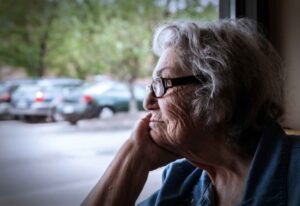
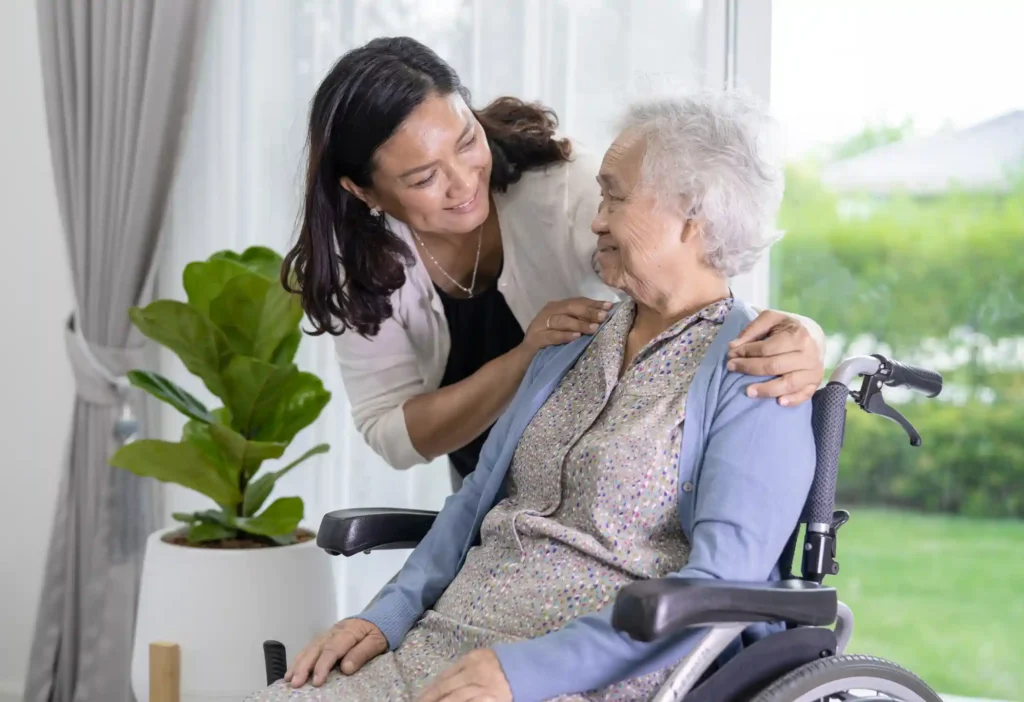

Ever feel like something’s off, even when your loved one says they’re okay? That nagging feeling might be your intuition telling you something’s wrong. Maybe your mom seems a bit more tired than usual, or your dad seems confused during dinner.
Trusting your instincts is key to protecting those who took care of you. Sometimes, small changes aren’t just about getting older. They might signal a bigger health issue.
Spotting the signs of pneumonia in elderly parents early can change their recovery. Symptoms might not always be clear, but being watchful lets you act fast. This way, a small problem doesn’t turn into a big emergency.
With help from Elder Care Haven, you can feel more empowered and prepared to face these challenges. Your quick action ensures your loved ones get the care they need when they need it most.
Medical disclaimer: This guide is for general education only and is not a substitute for professional medical advice. If you suspect your parent has pneumonia or is having trouble breathing, contact their doctor or seek emergency care immediately — don’t wait to see if symptoms improve on their own.
Key Takeaways
- Trust your intuition when you notice behavioral changes in your aging loved ones.
- Early detection is vital for managing respiratory health effectively.
- Look beyond common symptoms, as older adults often present illness differently.
- Proactive monitoring helps prevent minor health issues from escalating into crises.
- Utilizing expert resources provides the confidence needed to advocate for better care.
When Your Parent Just Doesn’t Seem Like Themselves
Caregivers often know when something is wrong with their loved one before tests confirm it. You see their daily habits, moods, and energy levels closely. When these patterns change, you’re often the first to notice.
Validating the Caregiver’s Intuition
Your observations are not just guesses; they are valuable clinical data. Doctors rely on your input because you see things a brief visit can’t. If you think your parent is not themselves, speak up.
Trusting your instincts is key in spotting pneumonia in the elderly. Share your observations, no matter how small or unrelated to coughs or fever. Your view is essential to solving the puzzle.
The “Off” Feeling: Why You Should Trust Your Gut
Pneumonia in older adults can be different from in younger people. Age-related changes can hide classic illness signs. So, you might notice tiredness or confusion before any obvious symptoms.
Understanding pneumonia symptoms in seniors means looking beyond the obvious. If your parent seems tired, withdrawn, or off, watch closely. These small changes can signal an infection.
The Importance of Early Detection
Acting early is the best way to avoid serious problems. Your intuition can help your parent recover quickly. Spotting pneumonia early can stop a small issue from becoming a big emergency.
By being alert, you’re a proactive partner in your parent’s health care. Your ability to spot early signs is powerful. It ensures your loved one gets the right care at the right time.
Why Elderly Parents Are More Vulnerable to Pneumonia
Aging changes the body in ways that affect how well it fights off illness. As we get older, our natural defenses weaken. This makes it harder for the elderly to stay healthy.
It’s important to know the elderly pneumonia warning signs early. This can help prevent serious health problems.
Age-Related Changes in the Immune System
Immunosenescence is the main reason older adults are at higher risk. It’s the natural weakening of the immune system with age. Your parent’s body may not make enough protective cells to fight off germs.
This makes it harder for the lungs to clear out harmful pathogens. So, pneumonia in older people is more common and serious than in younger adults.
The Role of Chronic Health Conditions
Many seniors have long-term health issues that weaken their lungs. Conditions like diabetes, heart disease, and COPD put extra stress on the body. These illnesses often require medicines that weaken the immune system.
These conditions can hide the usual signs of illness. It’s up to caregivers to watch closely for elderly pneumonia warning signs.
The Environmental and Lifestyle Factors
External factors also affect the risk of pneumonia in older people. Poor air quality or limited ventilation can irritate the airways. Smoking or not being active enough can also harm lung health.
Small changes in daily life can help a lot. Keeping hydrated, brushing teeth well, and avoiding crowded places during flu season are key steps in caring for your parent.
Recognizing the Classic Signs of Pneumonia in Elderly Parents
It might surprise you to learn that the signs of pneumonia in elderly parents are not always obvious. Unlike what medical books say, the symptoms in older adults can be very subtle. Recognizing pneumonia in older adults needs careful watching and some medical knowledge, even when symptoms are not loud.
Persistent Cough and Phlegm Production
A deep, hacking cough is often the first sign of lung infections. In seniors, this cough may start as a dry irritation before turning into thick, discolored mucus.
Watch the color and consistency of any phlegm closely. If your parent coughs up yellow, green, or rust-colored sputum, it’s a strong indicator of a serious infection.
Fever and Chills as Primary Indicators
High fevers are the body’s way of signaling an immune response. But in many seniors, the immune system may not always raise the temperature.
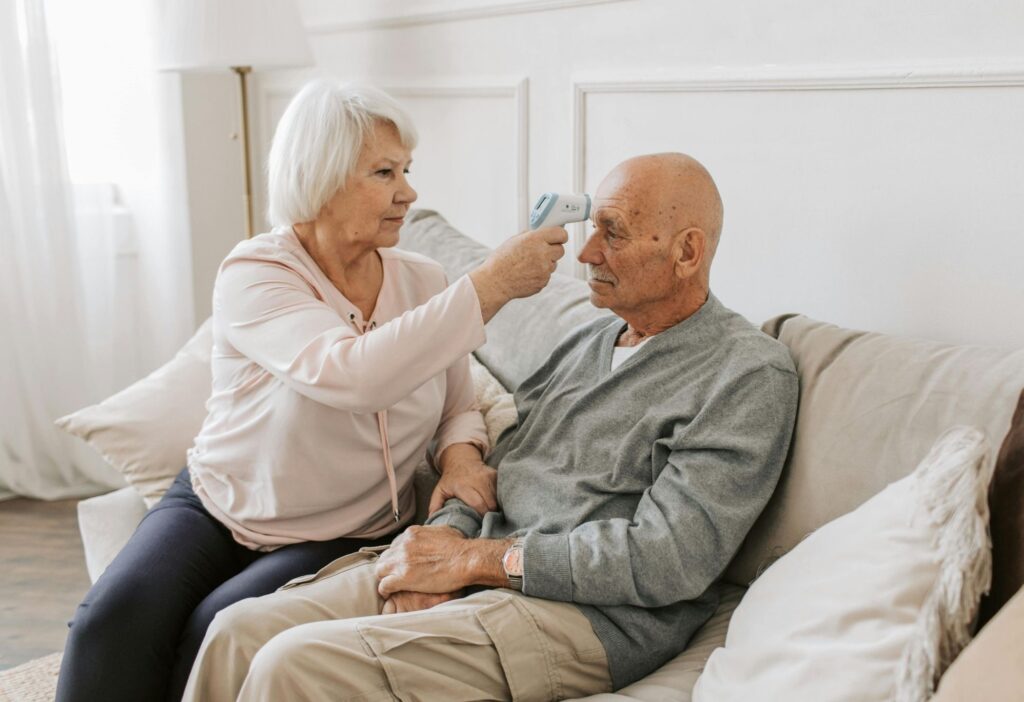
Look for sudden chills or shivering, which often go with fever. Even a slight temperature rise — or in some cases, a drop below normal — can be a critical warning sign that needs immediate doctor’s attention.
Chest Pain and Difficulty Breathing
Pneumonia can cause inflammation in the lungs, leading to sharp chest pain. This pain often gets worse when your parent takes a deep breath or tries to cough.
Watch for signs of hard breathing, like rapid, shallow breaths or using neck muscles to breathe. These signs are key for recognizing pneumonia in older adults before it gets worse.
| Symptom | What to Observe | Caregiver Action |
|---|---|---|
| Persistent Cough | Change in mucus color | Log frequency and color |
| Fever/Chills | Sudden shivering episodes | Check temperature regularly |
| Chest Pain | Pain during deep breaths | Monitor breathing rate |
| Respiratory Effort | Visible strain while resting | Seek medical consultation |
Understanding Atypical Symptoms That Often Go Unnoticed
You might expect a fever, but pneumonia symptoms in seniors often show up in subtle ways. Unlike younger adults, older people may not show clear signs of lung trouble. It’s important to know these hidden signs if you care for an aging parent.

Sudden Confusion or Delirium
A sudden change in mental status is a big warning sign of pneumonia in older people. If your parent seems disoriented or can’t follow conversations, it’s not just tiredness. The brain reacts to lack of oxygen or toxins from the infection.
Unexplained Falls and Loss of Balance
Physical instability is another warning sign that’s often missed. If an elderly person suddenly falls or loses balance, it might be due to an infection. This weakness and lack of coordination can happen before any cough or chest pain.
Lethargy and Loss of Appetite
A big drop in energy or a sudden loss of appetite are major red flags. When pneumonia in older people strikes, the body uses all its energy to fight the infection. Watch for these changes closely, as they’re often the first signs of illness.
Why Atypical Symptoms Are Often Misdiagnosed
These atypical pneumonia symptoms in seniors are often mistaken for other age-related issues. Doctors might think confusion is dementia or falls are just frailty. Without the usual respiratory signs, the infection can spread quickly if not checked by a doctor.
| Symptom Category | Classic Presentation | Atypical Presentation |
|---|---|---|
| Mental State | Alert and oriented | Sudden confusion or delirium |
| Physical Stability | Normal movement | Unexplained falls or dizziness |
| Appetite | Standard intake | Sudden loss of appetite |
| Energy Levels | Mild fatigue | Severe lethargy or exhaustion |
Comparison Table: Classic vs. Atypical Pneumonia Symptoms
Understanding pneumonia signs and symptoms in the elderly is key. Seniors often show illness differently than younger people. Knowing the signs is vital for your peace of mind.
The table below shows important differences to watch for in your loved ones’ health.
| Symptom Category | Classic Presentation | Atypical Presentation |
|---|---|---|
| Respiratory | Productive cough, chest pain | Shortness of breath, rapid breathing |
| Systemic | High fever, shaking chills | Lethargy, weakness, loss of appetite |
| Cognitive/Physical | Clear mental state | Sudden confusion, delirium, falls |
Breaking Down the Symptom Profiles
Classic symptoms like a cough or fever are expected. But symptoms of pneumonia in elderly patients often show up in less obvious ways.
- Cognitive shifts: Look for sudden confusion or “brain fog.”
- Physical stability: Unexplained falls or sudden loss of balance are big warning signs.
- Energy levels: A big drop in activity or extreme tiredness can mean an infection.
Using a Symptom Tracker
Keeping a simple daily log of your parent’s health helps you document changes and share them with doctors.
Keeping a log helps spot patterns you might miss. This way, you can clearly tell doctors about symptoms of pneumonia in elderly patients. This leads to quicker diagnosis and better treatment for your loved ones.
Red Flags That Require Immediate Emergency Care
Certain physical changes in your loved one are urgent signals for medical help. While many symptoms can wait for a doctor’s visit, some elderly pneumonia warning signs are life-threatening. Spotting these signs quickly can save your parent’s life.

Signs of Respiratory Distress
If your parent is having trouble breathing, it’s a serious sign. Look for rapid, shallow breathing or the use of neck and chest muscles. Gasping for breath or trouble speaking in full sentences mean the lungs are not working right.
Bluish Tint to Lips or Fingernails
A bluish or grayish color on lips, face, or fingernails is a medical emergency. This is called cyanosis and means the blood isn’t carrying enough oxygen. If you see this, call for emergency help right away.
High Fever Accompanied by Mental Confusion
A high fever with sudden, severe confusion or delirium is a big warning sign. This often means an infection has spread or is stressing the body too much. Immediate intervention is needed to avoid organ failure or sepsis.
When to Call 911 Without Hesitation
Call 911 if you think your parent’s condition is getting worse fast. Trust your instincts if they become unresponsive, lose consciousness, or if their breathing is very labored. These elderly pneumonia warning signs need the quick help of emergency services.
Deciding Between a Doctor Visit and an Emergency Room Trip
Knowing when to visit a doctor versus heading to the emergency room is key for caregivers. When trying to figure out how to tell if elderly have pneumonia, the urgency matters. Choosing wisely ensures your parent gets the right care quickly and without stress.
Assessing the Severity of Symptoms
First, check your parent’s vital signs and how they respond. If they’re having trouble breathing, chest pain, or seem very tired, these are immediate red flags. These signs are important when figuring out if they have pneumonia.
When to Schedule a Same-Day Appointment
If your parent is stable but has symptoms like a low fever or cough, a same-day appointment is best. Call their doctor right away to report these changes. This helps the doctor decide if a visit is needed to stop things from getting worse.
Preparing for an Urgent Care or ER Visit
If you think an emergency room visit is needed, being prepared helps. Have a list of medications, allergies, and when symptoms started ready. This information is vital for doctors to make quick decisions in stressful situations.
- Bring a current list of all prescription medications.
- Carry a copy of their health insurance card and identification.
- Note any recent changes in behavior or mental clarity.
- Pack a small bag with essentials in case of an overnight stay.
How to Effectively Describe Symptoms to Your Parent’s Doctor
You are a key part of helping your parent’s doctor understand their health. Good communication is your best tool for recognizing pneumonia in older adults during a visit. Preparing ahead of time helps give the doctor a clear picture of your parent’s health.
Keeping a Detailed Symptom Log
Start a log as soon as you notice any changes in your parent. Write down the time, how long it lasted, and how bad it was. Doing this consistently, day after day, is what makes the log genuinely useful to a doctor.
Take this log to every appointment. It helps the doctor see the big picture. This is important for catching the small symptoms of pneumonia in elderly patients that might be missed.
Key Questions to Ask During the Consultation
Don’t be shy about asking questions. You might ask if the symptoms could mean a respiratory infection or if more tests are needed. Always confirm if the treatment plan covers the specific signs you’ve seen.
Ask about how long it should take to get better and what signs mean you need to go back to the clinic right away. Clear answers help you feel more confident in helping your parent recover at home.
Advocating for Your Parent in a Clinical Setting
If you feel your concerns aren’t being heard, speak up. You know your parent best, and your gut feeling is important. Advocating for your parent makes sure the medical team looks at all possibilities, including symptoms of pneumonia in elderly patients.
Remember, your goal is to give the doctor the best info for recognizing pneumonia in older adults. By being organized and persistent, you help get a quick and accurate diagnosis. Your proactive involvement really makes a difference in your parent’s care.
Proactive Prevention Strategies for Long-Term Health
Knowing the pneumonia signs and symptoms in the elderly is just the start. You can do more to keep them healthy for a long time. By sticking to good habits, you help them fight off common lung diseases.
Vaccination Schedules for Seniors
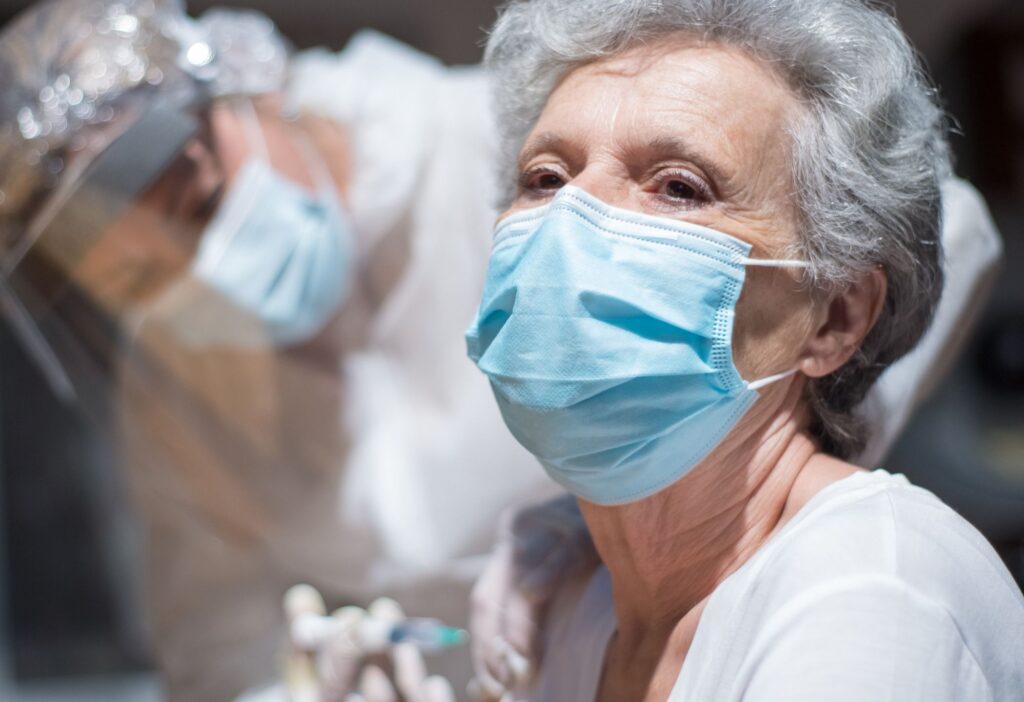
Getting vaccinated is a key way to protect against serious illnesses. Doctors say seniors should get a flu shot every year to avoid getting sicker.
Pneumococcal vaccines are also a must for older adults — the CDC’s current pneumococcal vaccine recommendations explain which vaccine and schedule apply to adults 65 and older. Make sure your parent’s doctor keeps their vaccination records up to date.
Maintaining Oral Hygiene to Prevent Aspiration
Many people don’t think about how mouth health affects the lungs. Bad oral hygiene can lead to harmful bacteria in the throat. If these bacteria get into the lungs, they can cause aspiration pneumonia.
Teach your parents to brush their teeth twice a day and use mouthwash. If they wear dentures, clean them well every night. Good dental care is a simple way to protect their lungs.
Resources Available at Elder Care Haven
Dealing with senior health can be tough. At Elder Care Haven, we offer guides to help you care for your loved ones. Our library has articles on keeping seniors healthy and watching their health closely. The National Institute on Aging also has helpful background on why vaccines matter more as we age.
| Strategy | Primary Benefit | Frequency |
|---|---|---|
| Flu Vaccination | Reduces viral infection risk | Annually |
| Pneumococcal Vaccine | Prevents bacterial pneumonia | As per doctor advice |
| Oral Hygiene | Prevents aspiration of bacteria | Daily |
| Health Monitoring | Early detection of illness | Ongoing |
By learning about the pneumonia signs and symptoms in the elderly and using these prevention tips, you give your loved ones the best care.
Conclusion
Being an informed caregiver is key to protecting your elderly parent from pneumonia’s dangers. Your daily checks are a safety net for doctors during exams.
Watch for both common and unusual symptoms to get your parent help fast. Quick action can greatly improve their life quality.
Trust your instincts if you notice any changes in behavior or health. Your gut feeling is a powerful ally in keeping seniors well.
Use resources like eldercarehaven.com to guide you in caregiving. These tools help you stay ready and proactive in caring for your loved ones.
Your hard work greatly impacts your family’s health. Keep observing, listening, and advocating for the best care possible.
About the Author: [Your Name], [your background — e.g. “family caregiver and senior health researcher”], writes about aging, caregiving, and senior health at eldercarehaven.com.
FAQ
What are the most overlooked signs of pneumonia in elderly parents?
The most frequently missed signs of pneumonia in elderly parents are sudden confusion, increased falls, and a general sense of lethargy. Unlike younger adults, seniors may not have a high fever, making these behavioral changes the primary indicators of infection.
How can I distinguish between a common cold and pneumonia symptoms in seniors?
A cold typically stays in the upper respiratory tract, but pneumonia symptoms in seniors involve the deep lung tissue. If a cold is accompanied by chest pain, a rapid heart rate, or a bluish tint to the lips, it has likely progressed to pneumonia and requires immediate medical attention.
Why is recognizing pneumonia in older adults more difficult than in younger patients?
Recognizing pneumonia in older adults is challenging because the typical immune response is often dampened. Chronic conditions like COPD or heart disease can mimic or hide the infection, and the “classic” high fever is often absent in the elderly.
What should I do if I notice elderly pneumonia warning signs after hours?
If your parent exhibits elderly pneumonia warning signs like difficulty breathing or severe disorientation after your primary doctor’s office is closed, you should visit an urgent care center or the emergency room. Do not wait until the morning, as pneumonia can progress rapidly in seniors.
How to tell if elderly have pneumonia if they don’t have a productive cough?
If you are trying to figure out how to tell if elderly have pneumonia without a cough, look for a respiratory rate higher than 20 breaths per minute, decreased oxygen saturation (which you can check with a pulse oximeter), or a sudden loss of appetite and physical strength.
Are the pneumonia signs and symptoms in the elderly different for aspiration pneumonia?
Yes, pneumonia signs and symptoms in the elderly specific to aspiration often include frequent throat clearing, coughing while eating, or a “wet” sounding voice after swallowing. This occurs when food or saliva is inhaled into the lungs instead of being swallowed.
What are the long-term risks of pneumonia in older people?
Pneumonia in older people can lead to long-term complications such as reduced lung capacity, increased risk of heart attacks, and a permanent decline in functional independence. This is why early detection and utilizing resources like Elder Care Haven are so critical for long-term health.
How should I document the symptoms of pneumonia in elderly patients for the doctor?
When tracking the symptoms of pneumonia in elderly patients, record the exact time symptoms started, any changes in mental clarity, their temperature readings, and any difficulty they have with daily activities. Bringing a structured log to the appointment, at an urgent care clinic or a hospital, helps the doctor make a faster diagnosis.