
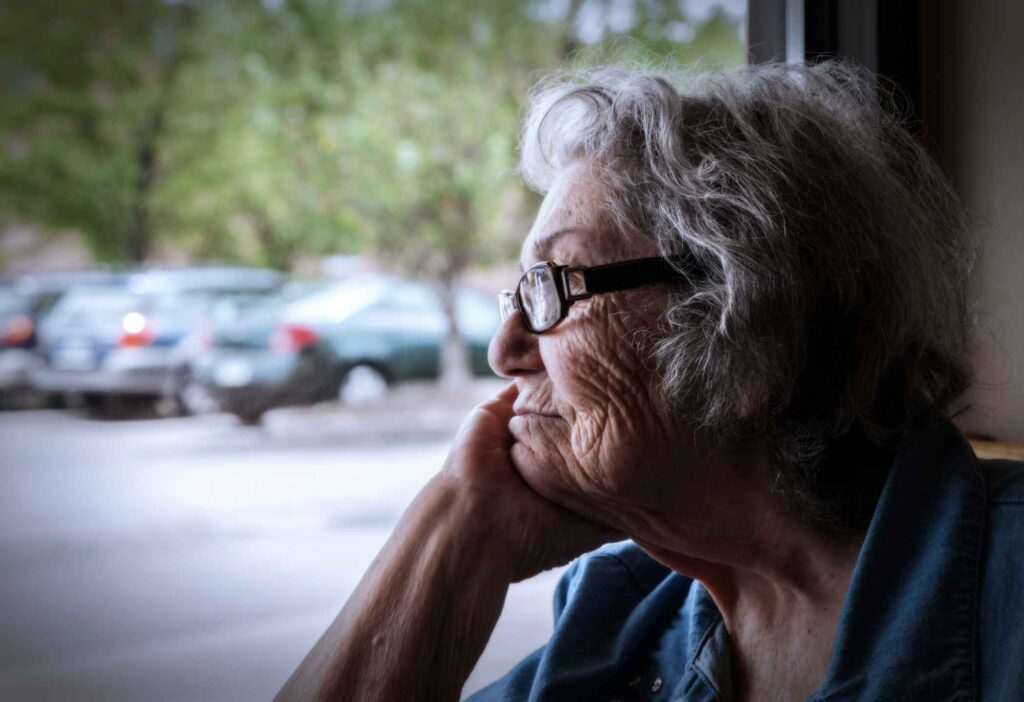

Knowing what to expect in the final stages of dementia won’t make this any easier, but it can make it less frightening. Many families describe the same feeling: no one really told them what this part looks like, and every new change feels like a fresh emergency. This guide walks through how dementia typically progresses in its final phase, what the body and mind tend to go through in the last weeks, days, and hours, and how to tell the difference between “this is part of the process” and “this needs a call to the doctor or hospice team.”
Medical Disclaimer: This article is for general informational purposes only and is not a substitute for medical advice. Every person’s decline is different, and only your parent’s doctor or hospice team can speak to their specific situation. Please reach out to them with any concerns rather than relying on general information alone.
Key Takeaways
- The final stages of dementia typically involve a gradual loss of mobility, speech, and the ability to perform daily tasks, unfolding over months rather than all at once.
- In the final weeks, common changes include sleeping more, eating and drinking less, and increased confusion or withdrawal.
- In the final days or hours, specific physical signs often appear: irregular breathing, cool or mottled skin, and reduced responsiveness.
- Not every person shows every sign, and no one can predict an exact timeline — these are patterns, not guarantees.
- Hospice teams specialize in exactly this stage and can help your family recognize what’s happening and manage your parent’s comfort.
Understanding How Dementia Progresses to This Point
Clinicians sometimes use a tool called the FAST scale (Functional Assessment Staging Tool) to describe how dementia progresses through its most advanced phase. While your parent’s doctor or hospice team is the right source for how this applies to your specific situation, the general pattern typically looks like a gradual loss of abilities in a fairly consistent order:
- Speech narrows to a handful of words, then eventually to a single word, then to no clear words at all
- Walking becomes unsafe or impossible without full assistance
- Sitting upright without support becomes difficult, then impossible
- Facial expressions, like smiling, become rare or disappear
- Head and neck control eventually declines as well
This progression generally happens gradually, over months, not overnight. Hospice programs typically use this stage, combined with other health factors, as one part of determining eligibility for hospice care — which is worth exploring well before a crisis, since hospice exists specifically to support families through this phase.

What to Expect in the Final Weeks
According to the National Institute on Aging, the final phase of Alzheimer’s and related dementias typically brings significant physical decline layered on top of the cognitive changes seen earlier. In the weeks leading up to the very end, families commonly notice:
- Sleeping much more, and becoming harder to wake or rouse fully
- Eating and drinking less, sometimes refusing food and liquid altogether — this is usually the body’s natural slowing down, not a medical problem to fix
- Increased withdrawal from conversation, activities, and surroundings
- Growing difficulty swallowing, which raises the risk of choking and aspiration
- More frequent infections, especially urinary tract infections and pneumonia, which are common causes of decline and death in advanced dementia
- Loss of bladder and bowel control, which is expected and not something to feel embarrassed about managing
This is often the point where families and care teams start talking seriously about comfort-focused care rather than aggressive medical intervention — not because anyone is “giving up,” but because the goals of care naturally shift toward comfort and dignity at this stage.
What to Expect in the Final Days or Hours
As death gets closer, the body tends to show a more specific set of physical signs. According to hospice guidance from the University of Rochester Medical Center, common changes in the final days or hours include:
- Significantly reduced responsiveness — sleeping most or all of the time, and difficult or impossible to wake
- Little to no interest in food or water, which is normal at this point and generally doesn’t cause suffering the way it would in a healthy person
- Cool hands, feet, arms, and legs, sometimes with a bluish or mottled, purplish skin pattern as circulation slows
- Irregular breathing patterns, including pauses of 10 to 30 seconds between breaths, sometimes called Cheyne-Stokes breathing
- A gurgling or rattling sound with breathing, caused by secretions in the throat that the person can no longer clear (often called a “death rattle”) — this can sound distressing but doesn’t appear to cause the person pain
- Restlessness or picking at bedding, sometimes along with visions of people or places that aren’t there
- Complete loss of bladder and bowel control
Not every person shows every sign, and some signs may appear and then ease off before returning. As the University of Rochester’s hospice guidance puts it, no one can predict exactly when death will occur — these are patterns clinicians recognize, not a countdown clock.
Can They Still Hear You? Common Questions Families Ask
One of the most common questions families ask is whether their parent is still aware of them in these final days. There’s no way to know for certain, but hospice professionals generally believe hearing may be one of the last senses to fade, and many recommend continuing to talk, play familiar music, and hold your parent’s hand as if they can hear you — because it may still matter, and because it matters to you.

Other common questions worth asking the care team directly rather than guessing about: Is my parent in pain? Should we still be trying to get them to eat or drink? What should we do if the breathing changes suddenly? A hospice nurse can answer these specific to your parent, and there’s no such thing as a question too small to ask during this stage.
When to Call the Doctor or Hospice Team
If your parent is already enrolled in hospice, their team will generally walk you through what to watch for and how to reach them, including after hours. Situations that generally warrant a call include:
- Signs of pain that aren’t controlled by current medication, such as grimacing, moaning, or a tense/rigid body
- Breathing that seems to be causing visible distress, rather than the typical irregular pattern described above
- A significant change you haven’t seen before and aren’t sure how to interpret
- You simply feel like something is wrong, even if you can’t name it — hospice teams expect and welcome these calls
If your parent isn’t yet enrolled in hospice and you’re noticing the signs described in this article, that’s worth raising with their doctor directly. According to the Alzheimer’s Association, hospice eligibility is generally based on a physician’s assessment that a person has a life expectancy of six months or less if the disease follows its expected course, and enrolling earlier rather than later generally means more support for your family, not less.

What Happens Immediately After Death
It can help to know, ahead of time, roughly what happens in the hours right after your parent passes, so it doesn’t add to the shock in the moment:
- If your parent is on hospice, call the hospice team first — they typically send a nurse to formally confirm the death, which allows the funeral home to be contacted.
- If your parent is not on hospice and dies at home, you’ll generally need to call 911, though this varies by state and situation — it’s worth asking your parent’s doctor ahead of time what the correct process is where you live.
- There’s no need to rush. Most families are allowed time with their loved one before anyone else needs to be called.
- The funeral home (chosen in advance, if possible) will handle transport and next steps once contacted.
Having this plan sorted out before it’s needed, even just knowing which funeral home you’d call, tends to remove one layer of stress from an already overwhelming moment.
Resources at Elder Care Haven
“50 Activities for Seniors with Dementia That Actually Bring Joy”
The Bottom Line
The final stages of dementia unfold gradually, then, near the very end, in a fairly recognizable pattern — less responsiveness, less interest in food and water, cooler skin, and changed breathing. Knowing this ahead of time doesn’t take away the grief, but it can take away some of the fear of the unknown, and help you recognize what’s happening instead of feeling blindsided by it. You don’t have to interpret any of this alone; lean on your parent’s hospice or medical team, ask every question you have, and give yourself permission to simply be present rather than needing to do anything else right now.
Frequently Asked Questions
What are the physical signs of the final stages of dementia?
Common signs include loss of speech, loss of the ability to walk or sit up unassisted, difficulty swallowing, incontinence, and, in the final days, reduced responsiveness, cool or mottled skin, and irregular breathing patterns.
How long does the final stage of dementia usually last?
It varies significantly from person to person and can last anywhere from a few months to over a year. No one, including doctors, can predict an exact timeline, since the pace of decline depends on overall health, other medical conditions, and individual factors.
What are the signs that death is near in dementia?
In the final days or hours, common signs include sleeping most or all of the time, little interest in food or water, cool hands and feet with a bluish or mottled skin tone, irregular breathing with pauses, a gurgling sound while breathing, and restlessness. Not every person shows every sign.
Should I still try to get my parent to eat and drink at the end?
Generally, no — a declining interest in food and water near the end of life is a natural part of the dying process, not a sign of suffering that needs to be fixed. Forcing food or fluids at this stage can sometimes cause discomfort. Ask your parent’s hospice or medical team for guidance specific to their situation.
Can someone in the final stages of dementia still hear me?
No one can say for certain, but hospice professionals generally believe hearing may be one of the last senses to fade. Many caregivers find comfort in continuing to talk, play familiar music, and hold their parent’s hand, even without a clear response.
When should hospice be brought in for dementia?
Hospice generally becomes an option once a physician determines a life expectancy of six months or less if the disease follows its expected course. Many families wait longer than necessary; enrolling earlier typically means more support, not less.
What should I do immediately after my parent passes away?
If your parent was on hospice, call the hospice team first so a nurse can formally confirm the death. If not on hospice, you’ll typically need to call 911, though this varies by state, so it’s worth asking their doctor about the correct process in advance. There’s no need to rush before contacting others.