


If your parent wants to stay in their own home as they get older — and most do — you may have come across the term “CAPS” while researching home safety. A certified aging in place specialist is a professional trained specifically to help older adults modify their homes so they can live there safely and independently for longer. This guide explains exactly what the credential means, what these professionals actually do, what it costs to hire one, and how to know whether your family actually needs one right now.
Disclosure: This article contains general product suggestions. Some links may be affiliate links, meaning we may earn a small commission if you make a purchase, at no extra cost to you. This does not affect our recommendations.
Key Takeaways
- A Certified Aging in Place Specialist (CAPS) is a credential from the National Association of Home Builders (NAHB) for professionals who specialize in home modifications for older adults.
- CAPS professionals are typically remodeling contractors, interior designers, occupational therapists, or other healthcare and caregiving professionals who’ve completed additional training.
- A CAPS home assessment typically costs $199–$399, with follow-up modification work often billed separately, sometimes around $150/hour for consulting.
- Not every family needs a CAPS specialist — some homes only need a few simple, low-cost fixes a family can handle without professional help.
- Becoming CAPS-certified typically involves three courses (CAPS I, II, and III), available online or in person, and generally costs somewhere between $800 and $1,400 depending on NAHB membership status.
What Is a Certified Aging in Place Specialist (CAPS)?
According to the National Association of Home Builders (NAHB), which administers the credential, a certified aging in place specialist has completed training in “the technical, business management and customer service skills essential to competing in the fastest-growing segment of the residential remodeling industry: home modifications for the aging-in-place client.”
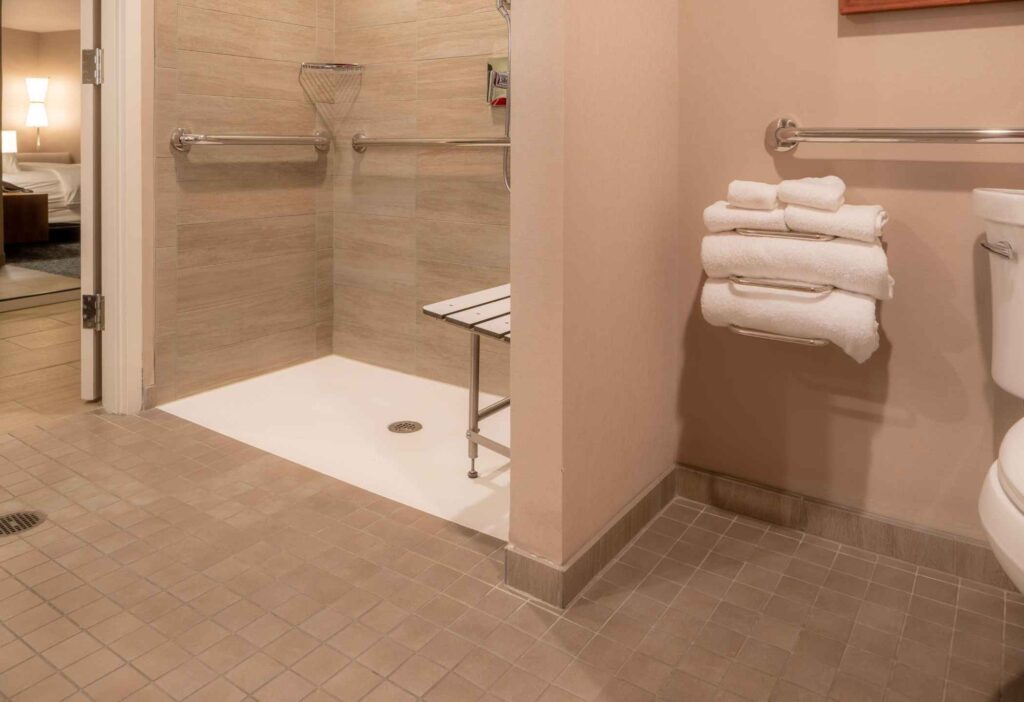
In plain terms, a CAPS professional understands both the construction side (how to widen a doorway, install a curbless shower, or add proper grab bar support) and the human side (how mobility, vision, and cognitive changes affect what a safe home actually needs to look like).

What Does a CAPS Professional Actually Do?
Most engagements start with a walkthrough assessment of your parent’s home, looking at fall risks, accessibility barriers, and future needs, not just current ones. Common recommendations include:
- Grab bars and reinforced blocking in bathrooms, installed at proper height and load rating (not just towel bars pressed into service)
- Curbless or walk-in showers, and non-slip flooring
- Widened doorways and hallways for walkers or wheelchairs
- Lever-style door handles and faucet controls, easier to use with limited grip strength
- Improved lighting, including motion-sensor lighting for nighttime bathroom trips
- Kitchen modifications, like lower counters or pull-out shelving
- Stair lifts, ramps, or single-level living solutions where needed
Many CAPS professionals also coordinate with occupational therapists to make sure recommendations are based on your parent’s actual physical needs, not just general best practices.
Does Your Parent Need One? Signs It’s Worth Hiring a CAPS Specialist
Not every family needs to bring in a certified professional. A CAPS specialist tends to be worth the cost when:
- Your parent has had a fall, a new diagnosis, or a recent hospital stay that changes what “safe” looks like in their home
- The home has real structural barriers — stairs to the only bathroom, a step-in tub, narrow doorways — that go beyond simple fixes
- You’re planning a larger remodel anyway and want it done with aging in place in mind from the start
- Multiple family members disagree about what’s “necessary,” and an objective professional assessment would help settle it
- Your parent has a progressive condition (like Parkinson’s or early dementia) where planning ahead for future mobility needs matters
On the other hand, if the main need is a couple of grab bars and a non-slip mat, many families can handle that without a paid assessment — see the product suggestions further down for a lower-cost starting point.
What It Costs to Hire a CAPS Specialist
Pricing varies by region and provider, but a typical pattern looks like:
| Service | Typical Cost |
|---|---|
| Initial home safety assessment | $199–$399 |
| Assessment + written modification report | ~$250 (varies by provider) |
| Follow-up consulting/design work | ~$150/hour (varies by provider) |
| Actual construction/modification work | Quoted separately, based on scope |
These figures reflect commonly reported ranges and will vary by location and provider. Always get a written quote before work begins.
How to Find a Qualified CAPS Specialist Near You
Start with the NAHB’s CAPS credential page, which lists current program information and can point you toward certified professionals in your area. Before hiring anyone, it’s worth:
- Confirming their CAPS certification is current, not expired
- Asking for references from other senior clients, not just general remodeling clients
- Getting a written scope of work and cost estimate before any work begins
- Asking whether they coordinate with occupational therapists or physical therapists when needed
- Checking that they’re licensed and insured for contracting work in your state, in addition to being CAPS-certified

Popular Aging-in-Place Products to Start With
If a full assessment isn’t in the budget right now, these are commonly recommended starting points many families add themselves:
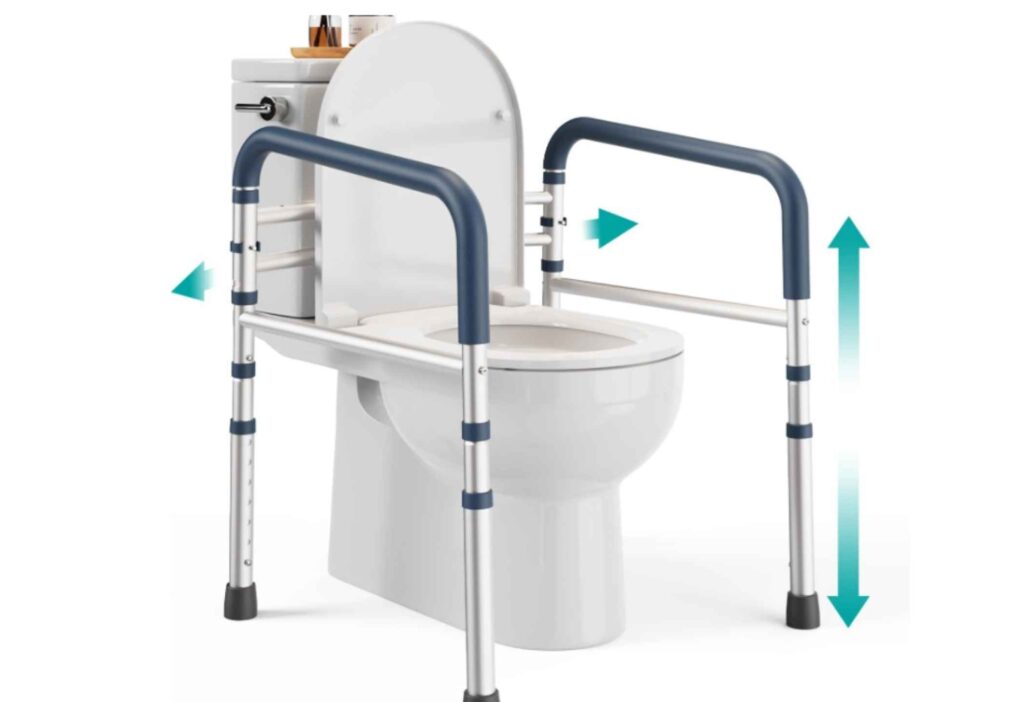
Bathroom grab bars
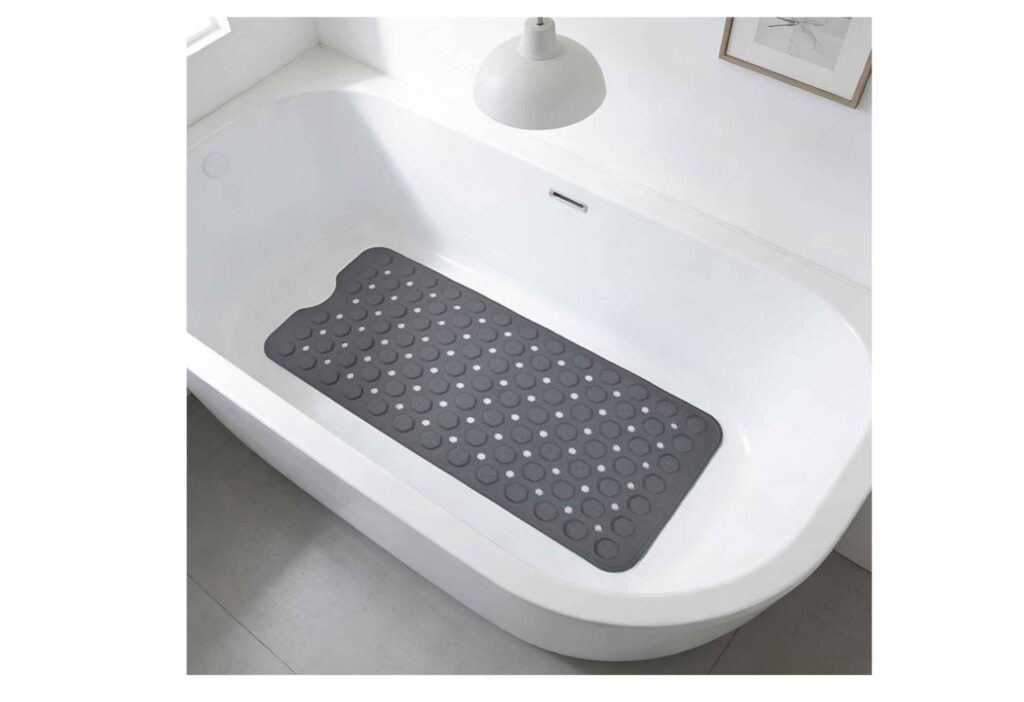
Non-slip bath mat and shower treads
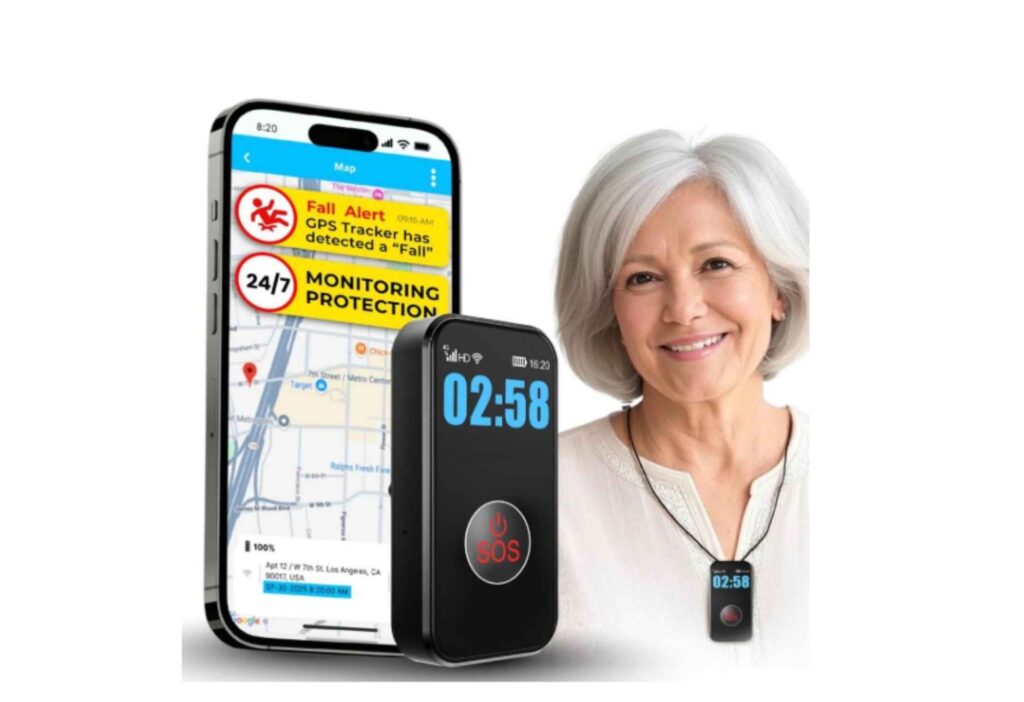
Medical Alert Pendant for Seniors
How to Become a Certified Aging in Place Specialist
If you’re a contractor, designer, occupational therapist, or caregiving professional considering this credential for yourself, here’s what the path typically looks like.

Required Courses
CAPS certification is built around three core courses:
- CAPS I — Marketing and Communicating with the Aging-in-Place Client
- CAPS II — Design Concepts for Livable Homes and Aging in Place
- CAPS III — Details and Solutions for Livable Homes and Aging in Place
Courses are offered through NAHB-licensed instructors, and can typically be completed either online or in person, often over a few days per course.
Who Pursues CAPS Certification
No prior construction license or healthcare credential is strictly required to enroll. In practice, most people who pursue CAPS certification already work as remodeling contractors, interior designers, occupational therapists, other healthcare professionals, or senior caregivers looking to add a specialized service to their existing work.
CAPS Certification Cost and Salary
Total certification cost commonly falls between roughly $800 and $1,400, depending on NAHB membership status, course fees, and graduation/renewal fees. There isn’t a standard “CAPS salary,” since this is a credential added to an existing profession rather than a standalone job. Instead, CAPS-certified professionals often use it to justify premium pricing for aging-in-place work — for example, charging $199–$399 for a home assessment plus hourly consulting fees on top of their regular contracting, design, or therapy income.
Resources at Elder Care Haven
“How to Transition Your Parent to Assisted Living” and “Aging in Place Home Improvements: What to Do First and Why It Matters“]
The Bottom Line
A certified aging in place specialist can be genuinely valuable for families dealing with a home that has real accessibility barriers, especially after a fall or a new diagnosis changes what’s needed. For simpler situations, a handful of well-chosen products and some common sense may be enough. Either way, the goal is the same: making sure your parent’s home works for the person they are today, not just the person they were ten years ago.
Frequently Asked Questions
What is a Certified Aging in Place Specialist (CAPS)?
A Certified Aging in Place Specialist is a professional credential from the National Association of Home Builders for contractors, designers, and other professionals trained specifically in home modifications that help older adults live safely and independently at home.
How do I become a Certified Aging in Place Specialist?
You complete three NAHB courses — CAPS I, II, and III — covering client communication, design concepts, and technical solutions for aging-in-place remodeling. Courses are available online or in person through NAHB-licensed instructors, and no prior license or healthcare credential is strictly required to enroll.
What is the CAPS certification cost?
Total cost typically runs between roughly $800 and $1,400, depending on NAHB membership status and individual course and graduation fees. Check NAHB’s official fee schedule for current pricing before enrolling.
Are CAPS certification courses available online?
Yes. CAPS courses can typically be completed either online or in person through an NAHB-licensed instructor, which makes the credential accessible to professionals outside major metro areas.
How much does a Certified Aging in Place Specialist make?
There’s no standard salary figure, since CAPS is an added credential rather than a standalone job. Professionals typically fold it into their existing contracting, design, or healthcare income — often charging $199–$399 for a home assessment plus hourly fees for follow-up consulting or design work.
Does your parent actually need a CAPS specialist?
It depends on the home and situation. A CAPS specialist is most worth it after a fall or new diagnosis, when a home has real structural barriers, or ahead of a larger remodel. For simpler needs, like adding a couple of grab bars, many families can handle it without a paid professional assessment.
What does a CAPS home assessment include?
A typical assessment walks through the home identifying fall risks and accessibility barriers, then provides recommendations such as grab bars, curbless showers, widened doorways, better lighting, and kitchen or bathroom modifications, often coordinated with an occupational therapist.
How do I find a CAPS-certified professional near me?
Start with the NAHB’s CAPS credential page, which lists current program information and can help point you toward certified professionals in your area. Before hiring, confirm their certification is current, ask for references from senior clients specifically, and get a written scope of work and cost estimate.